
Missouri’s crowded prisons are in crisis. Hiring younger staffers isn’t the solution | Opinion
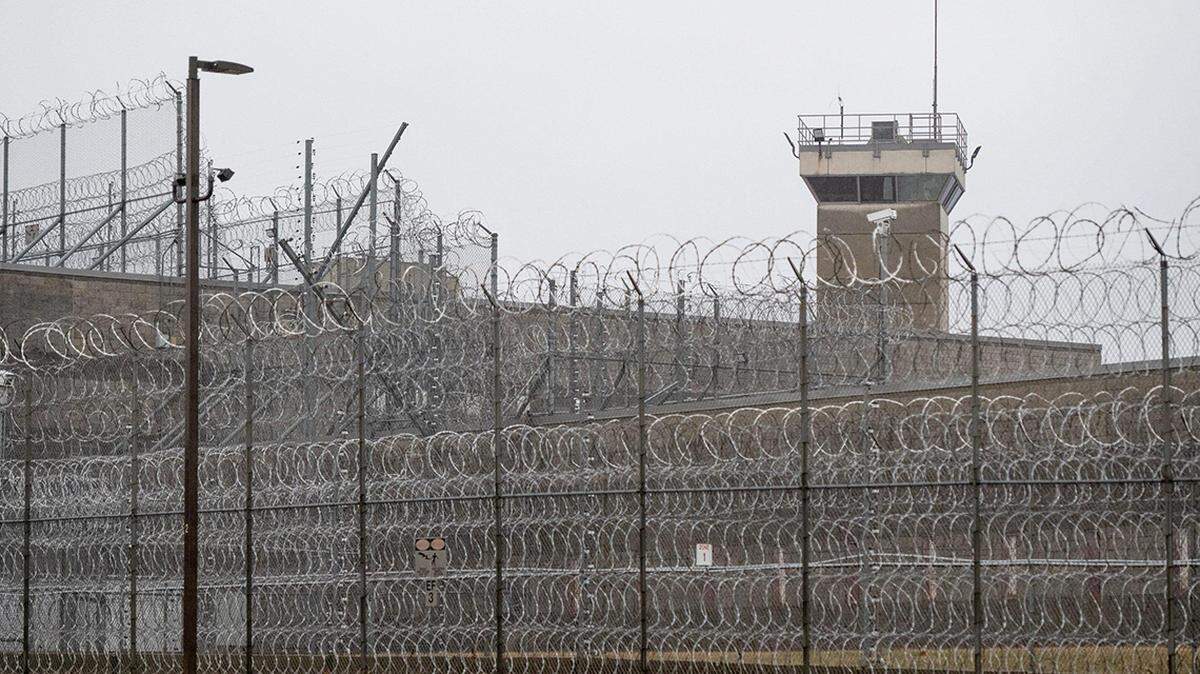
Missouri’s prison system is facing a crisis that endangers not just the men and women behind bars, but everyone involved. The problem? A critical shortage of staff has left the system scrambling to fill positions, often with younger, less experienced individuals who may not be prepared for the realities of the job. The subsequent desperate attempt to patch holes in the system with underqualified staff is a gamble with dire consequences.
Missouri’s prisons are understaffed, inappropriately funded and increasingly unstable. The shortage of correctional officers has reached a breaking point, leading to a cycle of poor hiring practices only deepening the crisis. In an attempt to address the shortage, the state has lowered the bar for hiring, now allowing candidates at the age of 18 rather than 21. That practice has also resulted in dangerous individuals being hired to work inside the correctional facilities.
This approach might provide a temporary fix, but it creates long-term dangers. Younger staff members, while often eager and physically capable, may not have the emotional resilience or life experience required to manage the volatile situations that frequently arise in prisons. The job demands more than just physical strength — it requires psychological fortitude, the ability to deescalate tense situations and a deep understanding of human behavior. When these qualities are missing, the consequences can be disastrous.
The dangers of hiring inexperienced staff are not theoretical — they are playing out in real time inside Missouri’s prisons. Incidents of violence among residents and staff have been on the rise. When inexperienced officers are unable to de-escalate situations, and often actually escalate or initiate problems, it not only puts other staff at risk, but also endangers the incarcerated population they are supposed to protect.
Prisons are inherently volatile environments, and when those tasked with maintaining order are unprepared, the results can be deadly. Moreover, the desperation to fill positions at any cost undermines the entire correctional system. By hiring anyone willing to take the job, the state risks introducing individuals who may be unsuited for the role — those who might lack the ethical standards, judgment or emotional stability required to work in such a challenging environment. This can lead to incidents of misconduct, abuse of power and corruption, further eroding the safety and integrity of the prison system.
The ripple effects of this crisis extend far beyond the prison walls. When prisons become more dangerous, it’s not just the staff and residents who suffer. The entire community is at risk. An unstable prison environment increases the likelihood of violence, riots and other incidents that can spill over into the public sphere.
The people of Missouri deserve to feel secure, but that security is compromised when the prison system is in disarray. To address this crisis, Missouri must take a multifaceted approach. First, the state needs to improve the working conditions for correctional officers. This means offering competitive salaries, providing comprehensive training, and ensuring that staff members have the support they need to do their jobs safely and effectively. It also means maintaining high hiring standards. Neither staffing shortages nor lowering hiring benchmarks is an appropriate solution.
In addition to these immediate steps, Missouri must also reconsider its broader approach to incarceration. Reducing overcrowding through alternative sentencing, rehabilitation programs and investment in mental health services could alleviate some of the pressure on the prison system. By decreasing the number of people incarcerated, the state could better manage those who deserve to remain in custody, creating a safer environment for both staff and residents.
The situation in Missouri’s prisons is dire, but it is not without solutions. What’s needed is a commitment to doing what’s right, rather than what’s easy. Hiring younger, less experienced personnel might seem like a quick fix, but it is a dangerous shortcut that Missouri cannot afford to take. The safety of our communities, the lives of prison residents and the integrity of our justice system depend on it.
Lori Curry is executive director of the 501(c)(3) nonprofit Missouri Prison Reform.