
DNA clears Marcellus Williams of murder. Why is Missouri hell-bent on killing him? | Opinion
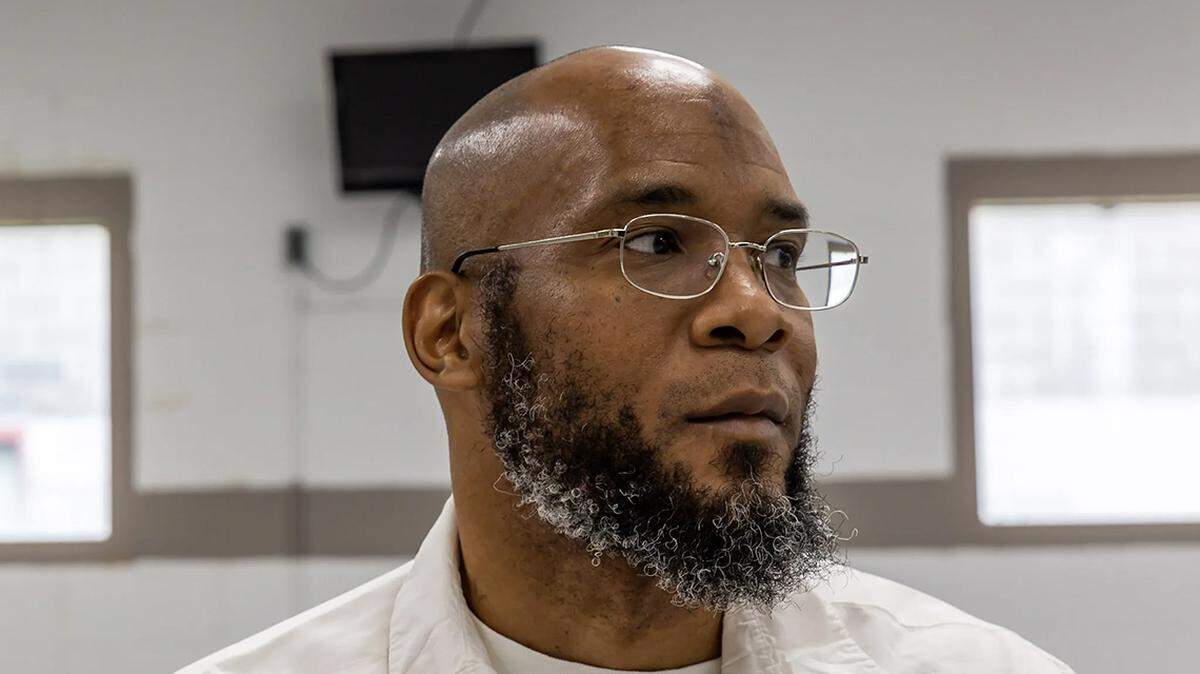
It is so easy to schedule an execution for an innocent man on death row. And it is incredibly hard, under the law in place in so much of the United States, to reopen the case of a person who has shown powerful evidence of innocence. Even DNA evidence of innocence is no surefire ticket to freedom.
The case of Marcellus Williams is a chilling reminder that decades into the era of modern post-conviction DNA testing, exonerations and innocence projects — an innocence revolution — some attorneys general and judges would rather execute the innocent than admit error. The Missouri Supreme Court has set a Sept. 24 execution date in Williams’ case. Yet, post-conviction DNA tests show that Williams did not commit the crime.
Unfortunately, across the country, many other people have been sentenced to death based on flawed evidence and biased process. I have studied DNA exonerations in the United States, of which there have now been more than 375, including more than 30 innocent people who had been sentenced to death. There is a large body of research on the causes of such wrongful convictions. In 1 in 5 of those DNA exonerations, informants testified against the convicted. They typically denied receiving anything in exchange for their testimony. In detailed “made to order” statements, they claimed to have overheard defendants confess to the crime.
And they lied.
More than half of these death row DNA exonerations involved unreliable informants and cooperators. Take the case of Kirk Bloodsworth, the first person exonerated from death row by DNA in the United States, who was convicted in Maryland in 1985. An incentivized witness testified that he heard Bloodsworth admit to raping a 9-year-old girl and killing her with a rock. Not only did evidence clear Bloodsworth, but the testing identified another man as the culprit.
Or take the case of Ronald Williamson, sentenced to death in Oklahoma after a cooperating witness testified Williamson had admitted to the crime. In a chilling story told well in John Grisham’s book “The Innocent Man: Murder and Injustice in a Small Town,” that cooperator was the very person who DNA tests later showed actually committed the rape and murder.
In my state of North Carolina, Darryl Hunt was sentenced to death — despite no physical evidence connecting him to a murder — based on the testimony of multiple informants. DNA later exonerated Hunt, too.
This litany of informants could not actually have overheard anything about the crimes from innocent people. Either members of law enforcement or prosecutors coached them into testifying, or outright fed them facts.
Marcellus Williams’ case has the same flaws as the cases of those already exonerated by DNA. In 1998, a former St. Louis Post-Dispatch reporter was stabbed to death in her home. Years later, independent labs performed DNA tests on the knife used as the murder weapon. The tests cleared Williams as the source of the male DNA found on that knife.
Informants, not physical evidence, led to conviction
And like in so many cases, the DNA test excluding the person highlighted how little evidence had been presented at Williams’ trial. The perpetrator had left other forensic evidence at the scene, including a bloody shoe print and hairs. Williams was excluded as the source of all those items. How could he even be convicted, much less sentenced to death in the first place? The only evidence of guilt came from two shady informants, who had been rewarded with promises of leniency and money, and who claimed at trial that Williams had confessed to them.
Somehow the jury believed their implausible stories.
There is no credible argument that Williams is anything other than innocent. Thankfully, there is a process that could end this injustice. The St. Louis County prosecuting attorney agrees that this new evidence of innocence is clear and convincing. His office moved to vacate Williams’ conviction and death sentence.
Yet others openly express that they are willing to execute innocent people. The Missouri Supreme Court plans to move forward with an execution date. Missouri attorneys general have opposed for decades virtually every claim of innocence.
How can these claims be treated so callously, given our constitutional system? The U.S. Supreme Court has repeatedly declined outright to recognize a constitutional right to claim innocence, even in a death penalty case, but it has assumed that such a right might exist. Missouri leaders, beginning with the governor, could grant clemency and reverse what is clearly an unjust conviction and death sentence.
We do not know how many innocent people have been executed in the United States. But the 200 people exonerated from death row — with and without DNA tests — often came within days of their execution. Some people find comfort in the thought that with the availability of modern science, such as DNA testing, such fundamental errors leading to convictions should no longer occur.
Marcellus Williams’ case shows how some powerful people remain blinded to science. The willingness to convict the innocent — and even execute them — still runs deep.
Brandon Garrett is the L. Neil Williams Professor of Law at Duke University School of Law and the director of the Wilson Center for Science and Justice. He is the author of the 2011 book “Convicting the Innocent: Where Criminal Prosecutions Go Wrong.”