
Kansas might crack down on kids’ smartphone use in school. It doesn’t go far enough | Opinion
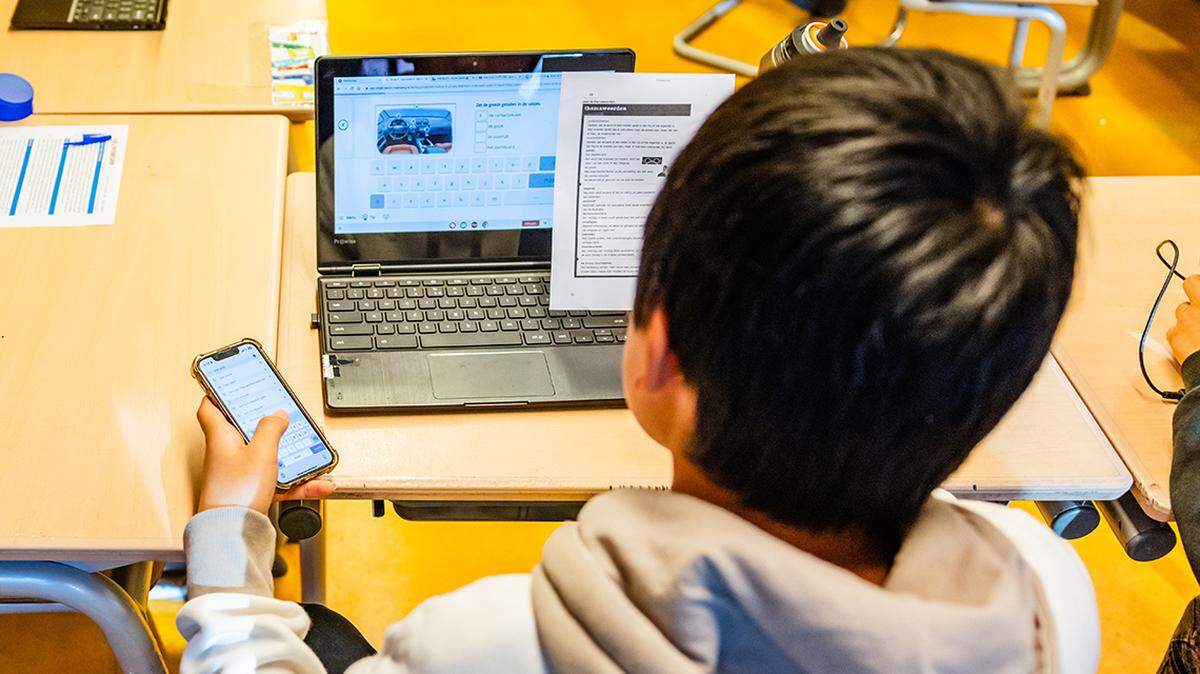
No cellphones in Kansas schools? Great idea.
It just doesn’t go far enough.
Student-owned smartphones haven’t actually been banned in Sunflower State classrooms. Yet. But it could happen soon.
The Kansas Board of Education last month ordered the creation of a 30-person task force to take a close look at the “nonacademic use of cellphones during instructional time.”
“We’re unsure right now what direct impact the nonacademic use of technology in the classroom is having on learning,” Education Commissioner Randy Watson said in a July newsletter. “But it’s worth exploring.”
I’m no social scientist. But I am the parent of a school-age kid.
And I can tell you from some experience that easy access to cellphones in the classroom — with their games, YouTube, TikTok, social media and other apps — is actually pretty bad for learning. No question about it.
Ask any teacher. They’ll most likely tell you the same thing.
Which only makes sense. Smartphones are distraction machines in the hands of adults. (The report on my own iPhone that tells me how much time I’ve used it is a weekly embarrassment.) Why would kids — whose brains are still forming, and who usually haven’t quite mastered the arts of self-discipline — do any better?
They don’t.
According to Watson, 77% of schools nationwide have policies telling kids to put away their phones during class time. And 97% of kids say they use their phones during the school day anyway.
“I think everyone is recognizing the harmful effects smartphones are having on our children,” he said.
He’s right. Here’s the problem: All the issues ostensibly created by student phone use in the classroom — not just the distractions, but the mental health effects of sustained screen time on young people — probably also apply to the iPads, laptops and other technology that schools across the state are already handing out willy-nilly.
It might not matter if you take the phones away. Screens will still fill the classrooms.
Sweden removed devices from classrooms
Schools have been putting more tech in the classroom for years, of course. But so-called “1-to-1” programs — which put a laptop or tablet in the hands of every student — really accelerated during the COVID-19 pandemic, when lockdowns made remote learning a necessity.
Students have long since returned to the classroom. So have the devices. Yes, they usually come with restrictions designed to keep kids from fooling around.
Kids, though, are pretty good at fooling around despite the obstacles you put in their way.
Which means the distractions are greater than ever. All too often, the devices supplant and crowd out the teaching and learning that should be going on.
“It took months for students to listen to me tell a story or engage in a read-aloud,” Missouri elementary teacher Nicole Post told The New York Times in April. “I’m distressed at the level of technology we’ve socialized them to believe is normal.”
This isn’t just a Kansas or Missouri problem. Sweden last year reversed course on the digitalization of its classrooms, removing tech from younger grades in favor of an old-fashioned emphasis on actual book learning. That followed a drop in the country’s reading test scores.
“Physical books are important for student learning,” said Lotta Edholm, the country’s minister for schools.
Wichita schools are also backtracking a bit. The district has announced it will ban tech in kindergarten and pre-K classrooms, and scale back more broadly in elementary schools.
The rise of schoolhouse tech “isn’t necessarily good if you can’t put in the right digital citizenship and digital literacy, both for staff and for students,” Rob Dickson, the district’s chief information officer, told Kansas News Service.
Exactly.
It’s too late to put the tech genie back in the bottle, obviously. And as Dickson suggests, we should be training our students how to skillfully and responsibly use the computers and other devices they’re otherwise encountering in the world.
The state’s new inquiry into “nonacademic” screen time policies is a good start. I hope we’ll see new restrictions on cellphone use in schools. This might also be a good moment to reconsider whether all the academic screen time kids are getting is actually helping them and their teachers. Let’s crack down on all the digital distractions in Kansas schools.
Joel Mathis is a regular Kansas City Star and Wichita Eagle Opinion correspondent. Formerly a writer and editor at Kansas newspapers, he served nine years as a syndicated columnist.
This story was originally published August 11, 2024 at 5:03 AM.