
Here’s how the world can use sports to bring a slice of normalcy to refugees’ lives | Opinion
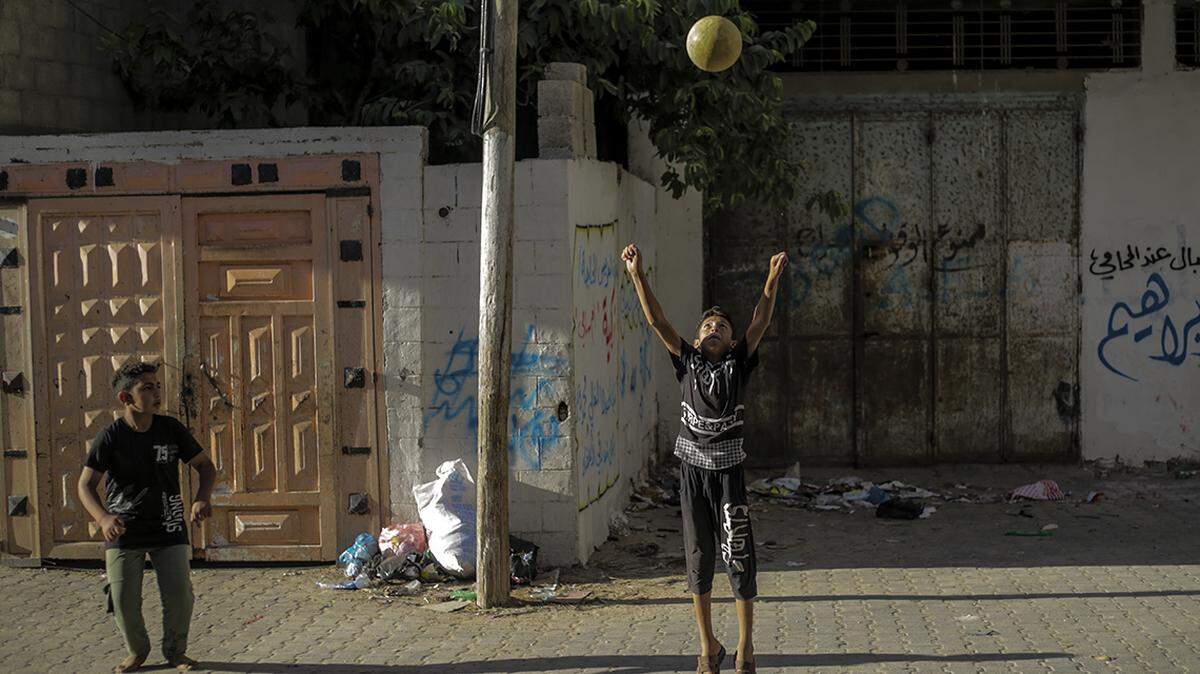
Amid the chaos and despair of displacement, uncertain futures and shattered dreams, sports are a beacon of hope for refugees. Athletics foster a sense of resilience and camaraderie among vulnerable individuals stripped of their identities, homes and humanity.
Across refugee camps in Denmark and Greece, I have witnessed firsthand the transformative power of sports. Athletics extended beyond mere recreation restore dignity and empower refugees to reclaim their humanity. Establishing a global refugee fund, dedicated to supporting and promoting sports and education initiatives in refugee camps, under the patronage of the United Nations, could promote a higher quality of life and increase survival mentality.
Refugee camps are spatially and temporally bound, yet they harbor stories of strength that defy odds. In Denmark’s Avnstrup asylum camp, I met a 17-year-old young man seeking asylum from Iran. He has spent the last nine years of his life in refugee camps, five of those in Avnstrup. His talents in soccer earned him a place in a Danish athletics boarding school, a small escape from the harsh realities of everyday camp life. However, when he turns 18, the authorities will strip his fundamental right to education and the sport that gives him hope. The majority of young refugees, like this young soccer player, languish in camps devoid of recreational and educational opportunities, their dreams oppressed by systemic neglect and administrative limitations.
In contrast, the Paréa refugee solidarity center sits opposite the harsh Kara Tepe refugee camp in Lesvos, Greece. Upon arriving at Paréa, the presence of color on the murals, signs and buildings immediately stands out as the antithesis to the bleak refugee camp down the road. Inside, laughter and the thud of basketballs echo. At Paréa, near the scorched camp grounds, sports emerge as the catalyst for healing and camaraderie. My classmates and I were quickly ushered into pickup basketball and volleyball games, not speaking the same language as our teammates, but communicating through the universal language of sport. Later, using Google Translate, I engaged in banter with a Somali refugee about the football rivalry between my beloved Manchester United and his cherished Manchester City. I recognized a pattern: refugees finding solace through sport — a language unbound by camps or borders.
By harnessing the power of sports in these communities, we can attend to psychosocial needs and uplift refugees. First, sports can act as a therapeutic outlet for refugees struggling to cope with the uncertainty and trauma that permeate their lives. Through playing friendly matches or watching championship games, refugees can find solace in the joy of sports and a sense of belonging in the face of adversity. Studies attest to the positive impact of sports on mental health, psychosocial well-being, social integration and resilience.
Second, integrating educational components into sports programs in camps can promote the pursuit of knowledge. Introducing literacy classes or vocational training workshops alongside volleyball practice or soccer tournaments could instill a sense of purpose within the mundane routines of camp life.
The international Education Above All Foundation: reported: “When education and sports are integrated, they can have increased beneficial impact, helping countries more rapidly achieve sustainable development goals, including improved health and well-being, social inclusion and cohesion, and more peaceful and prosperous communities and nations.”
Regular physical activity provides significant physical and mental health benefits. A study looking at the impact of exercise and sports on mental health in a Greek refugee camp found that sports positively impacted mental health outcomes for refugees, including symptoms of post-traumatic stress disorder, anxiety and health-related challenges to our quality of life.
The United Nations has previously recognized global rights to education and sports. Article 26 of the Universal Declaration of Human Rights from 1948 states the universal right to education, directed “to the full development of the human personality and to the strengthening of respect for human rights and fundamental freedoms.” The U.N. Convention on the Rights of the Child from 1989 states that education includes the development of physical abilities and the right to participate in recreational activities.
The establishment of a U.N. global fund dedicated to integrating sport and education initiatives into refugee camps is imperative to improve the well-being of refugees in vulnerable situations. Under the U.N.’s auspices, this fund would support existing sports programs while facilitating the integration of educational components. Partnerships with nongovernmental organizations, corporate sponsors and international sporting organizations could bolster these initiatives’ widespread reach and visibility. An official sports organization could work with the U.N. to support specific initiatives tied to their respective sports and promote them within their clubs.
Managing the global refugee crisis and meeting humanitarian needs is a nuanced and multifaceted challenge. Yet through investment in sport and education initiatives within refugee camps, we can reaffirm displaced individuals’ dreams and humanity. I urge global citizens, policymakers and humanitarian organizations to join me in supporting the creation of a fund that would promote sports and education programs in refugee camps, and reshape the experiences of people just like that 17-year-old I talked to, who deserve dignity, respect and hope.
Leawood resident Alyssa Turtledove is a government major at Hamilton College in Clinton, New York.