
Latest Missouri book ban isn’t about protecting kids - it’s parents scared of reality | Opinion
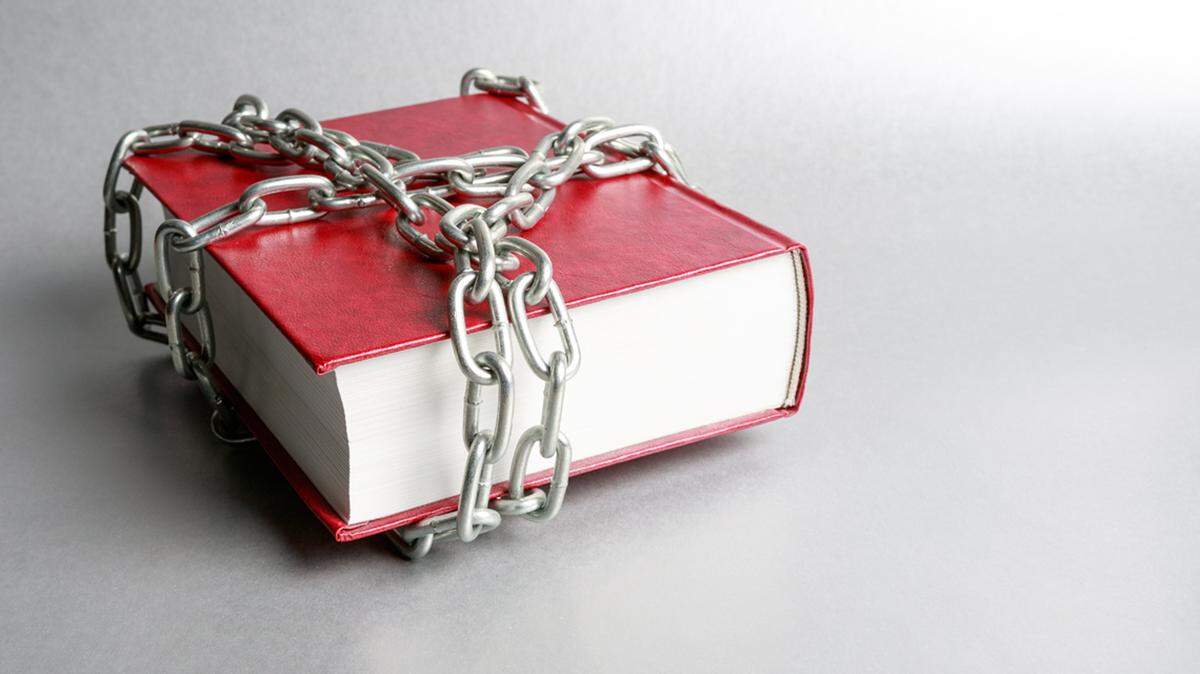
Another day, another book ban in Missouri. Technically, book bans are more accurately labeled “book challenges” — or at least the process of challenging the right of a library to make a work available to patrons. And this is where the real heart of the problem lies.
While it is true some would have certain books banned from public spaces — especially books and materials that reflect the experiences of people from historically marginalized populations — the broader act of challenging books in schools and libraries presents a more pressing and distressingly resilient threat across Missouri and the country at this political hour. The act of trying to have something removed, of challenging a single book in a library, immediately kicks into gear an unwieldy censorship machine that is advertised as a moral imperative to protect children from harm. But in effect, it terrorizes educators, alienates kids and other readers, and undermines the very institutions built to support public education and welfare.
In Cameron, Missouri, about 45 minutes northeast of Kansas City, the public school board and administration have been surreptitiously cutting off access to award-winning titles, and engaging in alleged skullduggery resulting in removing materials from school shelves. Intellectual freedom advocates on the ground note an overabundance of credulity toward Cameron school administrators on the part of the board, as well as violation of the board’s own policies — such as its policy manual’s section on objectives for the selection of library materials — in pursuit of shielding the youth from today’s conservative cultural bugaboos. Chief among these: the reality that LGBTQ+ people do indeed exist, and might even be interested in reading books in which their lives and experiences are reflected.
Parents and educators point to Cameron administrators’ use of a suspicious review platform, BookLooks, which says its “mission is to inform parents on what is in these books being made available to children in schools.” If you read BookLooks’ actual rhetoric, you’ll notice use of terms such as “gender ideology ‘‘ as a criteria for mediating access to work for younger readers. This buzzword signals blanket disapproval of the undeniable movement for visibility of LGBTQ+ people over the past several decades, in particular the strides made by transgender and nonbinary people for civil rights.
You can take a peek at the Missouri Library Association Intellectual Freedom Committee’s letter to the board, which gives a good description of the pro-reader viewpoint on the topic, a committee I might add that recently won the prestigious Downs Intellectual Freedom Award for its yearslong work promoting the freedom to read in this state. It asks the Cameron school board “to consider the irreparable harm that undermining intellectual freedom causes to students and their trust in public institutions that come between them and attempts to understand their world.”
One begins to wonder to what end this glut of censorship is being undertaken. Why, for example, are conservative parent groups and censorship-forward websites so focused on books as sites of scandal, when pretty much any kid who can pick up a smartphone or tablet can instantly find something more salacious on the internet without leaving home? Research has been done on cycles of cultural paranoia, moral panic and attempts to challenge the centrality of the written word in education, and how these fit together in the broader political and cultural fabric of our democracy. Emily J. Knox, an important scholar on intellectual freedom, said in her testimony to the Senate Judiciary Committee this past September that books about LGBTQ+ folks are frequently incorrectly assumed to be all about sex, and books about nonwhite characters are deemed unacceptable if they do not conform to a narrative that she and author Chimamanda Ngozi Adichie call “the single story.”
Knox said there is a fundamental misunderstanding baked into the framing of book challenge attempts by those who would censor materials in libraries: “When it comes to parents, they do have the responsibility to talk to their kids about what they are learning and reading and to steer them towards appropriate choices for their children and their family. However, they do not have the right to make those choices for other children and families.”
Book challenges are never about protecting children. They are about protecting parents from the reality that the world around them is changing. Book challenges are a maladaptive social Band-Aid for deeper cultural issues that we need to understand in order to discuss — and that is doubly true of our kids, who will be living in the world we leave to them.
Joe Kohlburn is a librarian and intellectual freedom advocate living in the St. Louis Metro East. He is assistant professor and Scholarly Communications Librarian at Southern Illinois University Edwardsville, and a doctoral candidate in information science at University of Missouri.