
Landfills pump methane into Kansas City’s air. Let’s change how we dispose of trash | Opinion
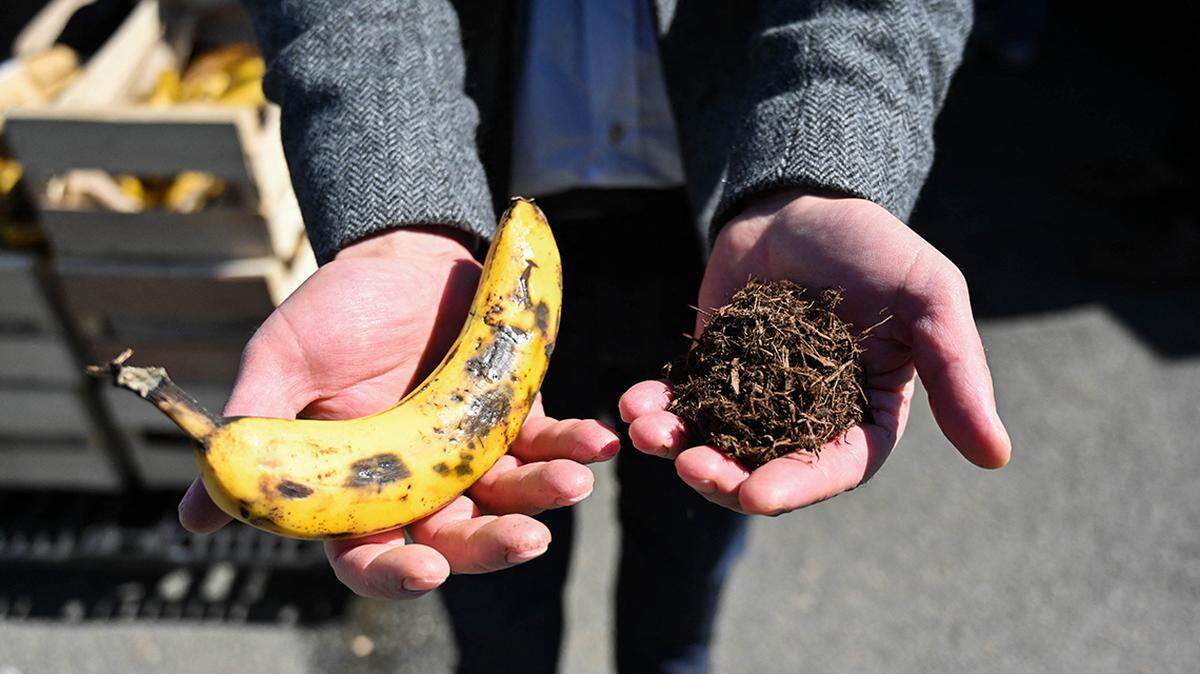
Climate change is one of the biggest challenges that we face as a global society — and it’s also one we can have a personally direct impact on. Methane has 86 times more atmosphere-warming potential than a similar amount of carbon dioxide does, but there is a bright side. Methane diminishes in the atmosphere much faster, in 12 years rather than 100. That means that we can make a significant impact in the short term by reducing the amount of methane that is created. An easy way to do accomplish this goal is to quit throwing away so much of our waste, and instead compost or recycle it.
At this time, the numbers continue to climb: In 2023, we hit a record high in methane emissions, and methane accounts for 20%-30% of the current rise in global temperature. While there are many sources of methane emissions, the third-largest contributor comes from landfills. When discarded biodegradable items are packed close together in a landfill and buried, there isn’t enough oxygen for them to harmlessly create compost. So instead, they instead make methane. Slightly over half of all waste nationwide that is diverted to landfills is made up of compostable materials — including vegetable trimmings, yard waste and paper products.
If instead we turned to local composting solutions, this source of methane emission could be fully mitigated, all while creating beneficial soil amendments that could further enrich our local environment and increase public health by decreasing air pollution-related premature respiratory deaths.
By utilizing these local composting solutions, we can help give ourselves and our children a healthier, safer world. We can also teach them how to care for this beautiful planet that we all share. It would also provide the opportunity to reduce plastic waste. Alternatives to single-use plastic and plastic foam products, especially for food service, are available in commercially compostable varieties that would help reduce other waste streams as well. It would bolster local businesses and stimulate our economy, allowing companies to expand and hire more people to support the increased demand.
Additionally, diverting this waste stream from the landfill has many other benefits. Our local landfills are running out of space, and proposals for new ones — as a developer wants to create in south Kansas City — are not the solution. Landfills take up 600 acres each on average, not only disrupting the local ecosystem but lowering the chances for businesses, schools and other more beneficial local economic growth. They also contaminate local groundwater, even in newer engineered-style designs.
Even for those who are not convinced that climate change is a concern, this more sustainable use of our resources, and a reduced need for landfills, is an initiative that should have broad appeal. Kansas City offers a drop-off composting service, and KC Can Compost, Urbavore Urban Farm, Compost Collective KC and other organizations can help if you don’t compost your scraps at home.
As the largest city in the state, and especially with the upcoming international spotlight illuminating the city with the 2026 World Cup, Kansas City has a wonderful opportunity to be a golden standard for this initiative. Let’s make composting and recycling the go-to methods for waste disposal, and together create a cleaner community with healthier air and water quality, teach our future leaders — our children — how to care for our earth, and shine on the world stage as champions of sustainability.
Krishawn Goodwin is a mechanical engineer safeguarding national security. She is a mother of three who lives in Lee’s Summit.