
Students don’t have to take on massive debt. The trades need workers and they pay well | Opinion
Why the Future of Work Isn’t White Collar
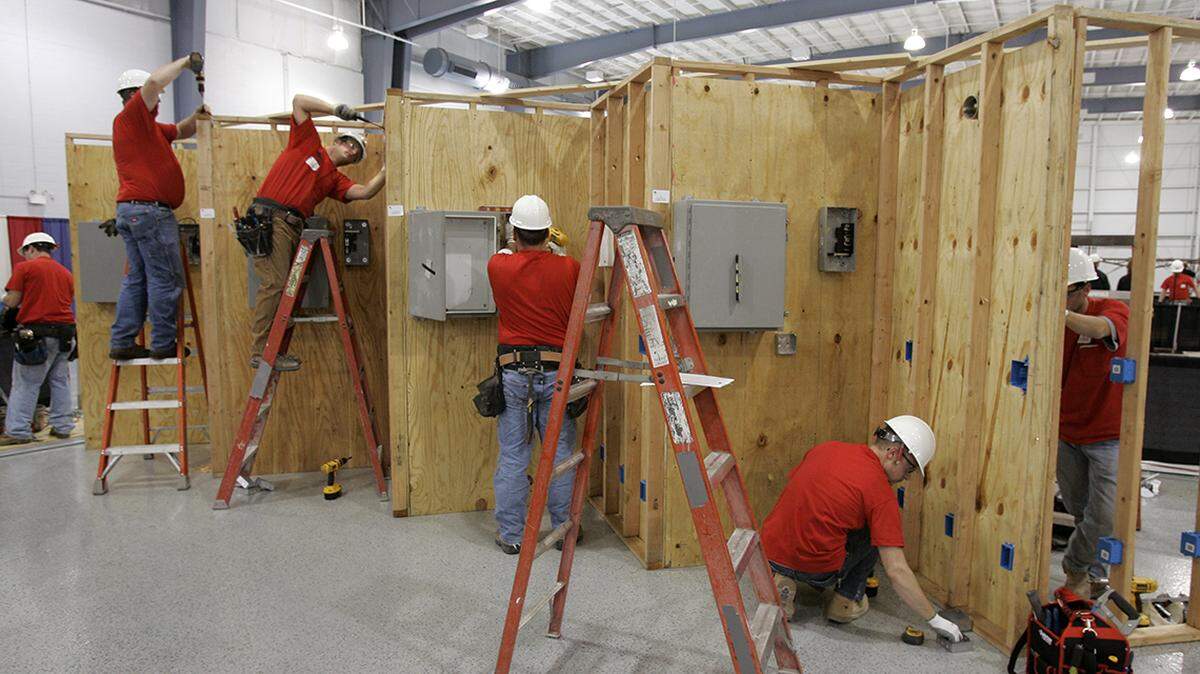
The future of work may not be clad in a suit and tie but rather in the durable fabric of coveralls and steel-toed boots. As technology and globalization reshape the workplace, trades such as plumbing, electrical and construction offer workers not only economic stability but also long-term career fulfillment, challenging the traditional benchmarks of white-collar success.
For many, the journey to professional success starts with a hefty price tag: A four-year degree in the U.S. averages more than $100,000 for public universities and more than $219,000 for private universities. The average public university student borrows about $32,000 pursuing a bachelor’s degree.
According to a U.S. World and News report, tuition at private universities went up by 4% last year. And highly selective schools such as Harvard and Vanderbilt are already charging $100,000 per year. When today’s newborns turn 18, four years at a public university could cost nearly a quarter-million dollars. Private colleges could be nearly half a million. For families with more than one child, the financial burden might soar into the seven figures.
In contrast, trade school certificates — which can be completed in just one or two years — currently cost an average of $17,600 per year. This significant difference makes trade education more accessible today and positions it as a smart economic choice for the future. Trade school graduates enter their careers without the burden of financial debt, a benefit that will grow as higher education costs climb.
The allure of a high-paying tech job draws many into the sector. But intense competition and the necessity for continuous skill upgrades means that promise often falls short.
Today’s undergraduates expect to make about $85,000 one year after graduation, according to a recent study from the site Real Estate Witch. Yet the average starting salary for recent graduates is just shy of $56,000 — nearly $30,000 less.
Tradespeople often achieve competitive and stable earnings much faster, thanks to immediate job placement opportunities and the persistent demand for skilled labor. Plumbers earn a median annual wage of around $62,000, according to the U.S. Bureau of Labor Statistics, with potential earnings surpassing $100,000. The median salary for heating, ventilation and air conditioning technician techs in 2023 was $57,300, with the top 10% earning more than $84,000.
This quick return on educational investment, coupled with robust job security, makes trade careers particularly attractive. The straightforward path from education to employment, without the burden of excessive student loans, means this path is both financially viable and potentially more lucrative in the early years of professional development.
The tech industry, once a bastion of job growth and security, now grapples with an overflow of talent, diminishing the promise of stable employment. There have been more than 89,000 layoffs in the tech industry since the start of 2024, according to online tracker Layoffs.fyi, including from some of the biggest companies such as Sony, Google and Tesla.
On the flip side, the trades are witnessing a renaissance of demand, fueled by an aging workforce and a continuous need for skilled labor. The construction sector is scrambling to fill positions, needing approximately 501,000 additional workers in 2024 to meet labor demands, even if construction spending slows down.
Projections suggest that up to 30% of jobs could be automated by 2030, primarily impacting white-collar roles in administration and customer service.
But the hands-on, site-specific nature of trade jobs provides a bulwark against automation. Far from being threatened by technological advances, the trades are using artificial intelligence and modular construction techniques to enhance — not replace — human expertise.
As the boundary between traditional trade skills and advanced technology blurs, there’s a new opportunity for the workforce. Educational programs are increasingly blending technical training with hands-on trade skills, preparing tradespeople for a job market where tech integration is the norm.
The job market is calling for a paradigm shift in how we view successful career paths. Holding onto outdated notions of white-collar superiority undermines the potential of future generations. It’s time to expand our view, recognizing trades as a viable and preferred choice for those entering the workforce.
Policymakers, educators and students should adopt this perspective on career opportunities that align with our economic reality. By doing so, we equip a new generation to thrive in a world where blending technological savvy with practical skills is essential.
Alok Chanani is the co-founder and CEO of BuildOps, which develops software for the infrastructure trades.