
Fatalities with semitrucks are way up in Kansas and Missouri. Don’t let them get bigger | Opinion
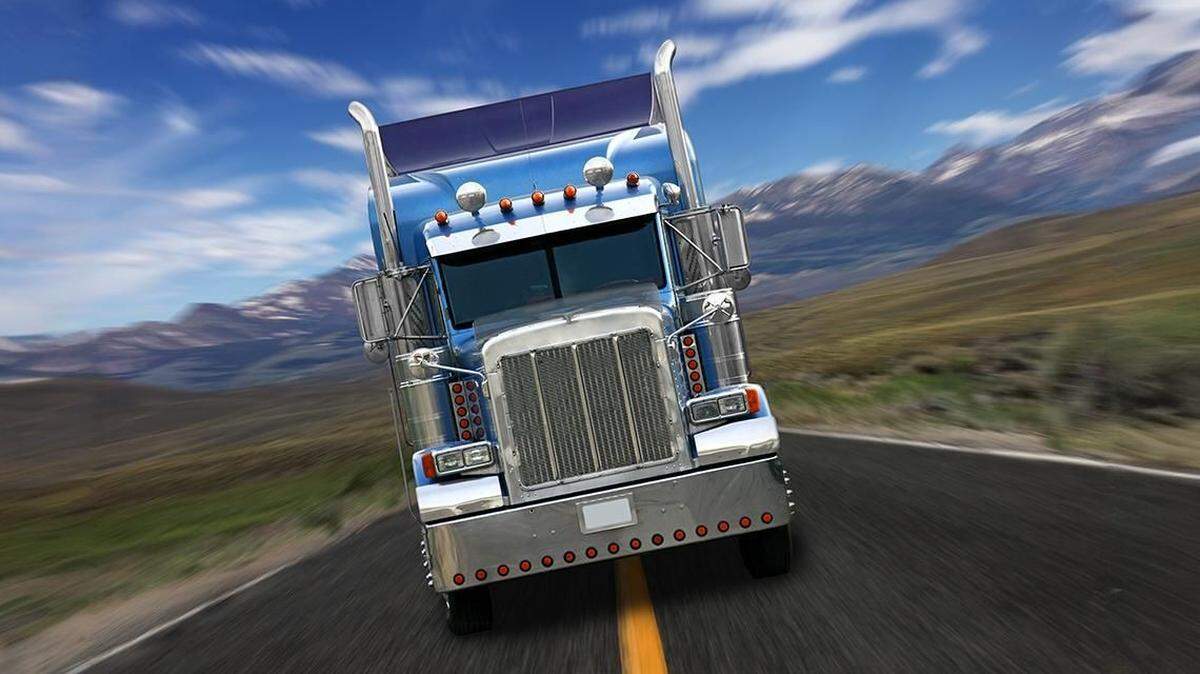
Fatalities involving large trucks on Kansas and Missouri roads have spiked dramatically over the last decade, according to recently released federal data, underscoring why area lawmakers must fight renewed efforts in Washington, D.C., and our state capitols to allow even bigger semitrucks on the nation’s highways.
New findings from the National Highway Traffic Safety Administration show that annual fatalities in Missouri resulting from crashes with large trucks rose by 58.7% between 2012 and 2022, from 92 fatalities to 146. In all, 1,270 people died in Missouri during that period as a result of collisions involving large trucks.
The fatality data for Kansas also tells a tragic story. The number of deaths from crashes with large trucks rose by 28.1% between 2012 and 2022, with 822 fatalities during that period.
NHTSA data compiled for 2022 is the most recent.
The national trend is no less tragic, with annual fatalities rising some 50.5% between 2012 and 2022 — 3,944 deaths in 2012 and 5,936 in 2022. A total of 52,252 people across the nation died in collisions with big trucks during that time.
But as troubling as the new figures are, yearly fatalities are likely to grow even more if some in Congress have their way. Lawmakers are currently debating at least three legislative proposals promoted by large shipping companies that would allow heavier and more dangerous trucks on the roads.
One proposal at the federal level, H.R. 3372, would create a 10-year “pilot project” allowing 91,000-pound trucks on our roads — 5 1/2 tons heavier than today’s current limits. Another U.S. House proposal, H.R. 2948, would give a green light to trucks hauling automobiles to operate permanently at 88,000 pounds, 10% above the current interstate weight limit.
A third bill, H.R. 7496, would allow any governor to declare a crisis and raise maximum truck weights on the interstate without requiring thorough analysis demonstrating the need. Only the president currently has this authority. It would create a chaotic patchwork of different weight limits in various states — not only dangerous for motorists, but confusing to the trucking industry.
Policymakers and lawmakers have known for years about the dangerous and deadly relationship between safety and truck weight.
In 2016, the U.S. Department of Transportation released its final Comprehensive Truck Size and Weight Limits Study report to Congress. The report recommended against any increases in the size or weight of trucks. It documented serious safety problems, finding a 47% to 400% higher crash rate for heavier trucks when compared to standard 80,000-pound trucks, in limited state testing. The report concluded that heavier trucks have a higher out-of-service violation rate and an 18% higher brake violation rate when compared to 80,000-pound trucks.
Public safety leaders from across the country are heading to Congress in June to remind lawmakers of their commitment to do no harm when it comes to considering this legislation. The intention is to knock on doors across the U.S. Capitol, to show lawmakers the tragic statistics and allow the data to sink in, because the motorist death toll in Kansas, Missouri and around the country would be far worse if lawmakers vote the wrong way.
Steven Casstevens is the former chief of police with the Buffalo Grove, Illinois, police department. A past president of the International Association of Chiefs of Police and the Illinois Association of Chiefs of Police, he currently serves on the law enforcement board for the Coalition Against Bigger Trucks, a 501(c)(4) nonprofit that does not currently lobby.