
Tallgrass prairie is Kansas’ great natural wonder. Show it off when you have visitors | Opinion
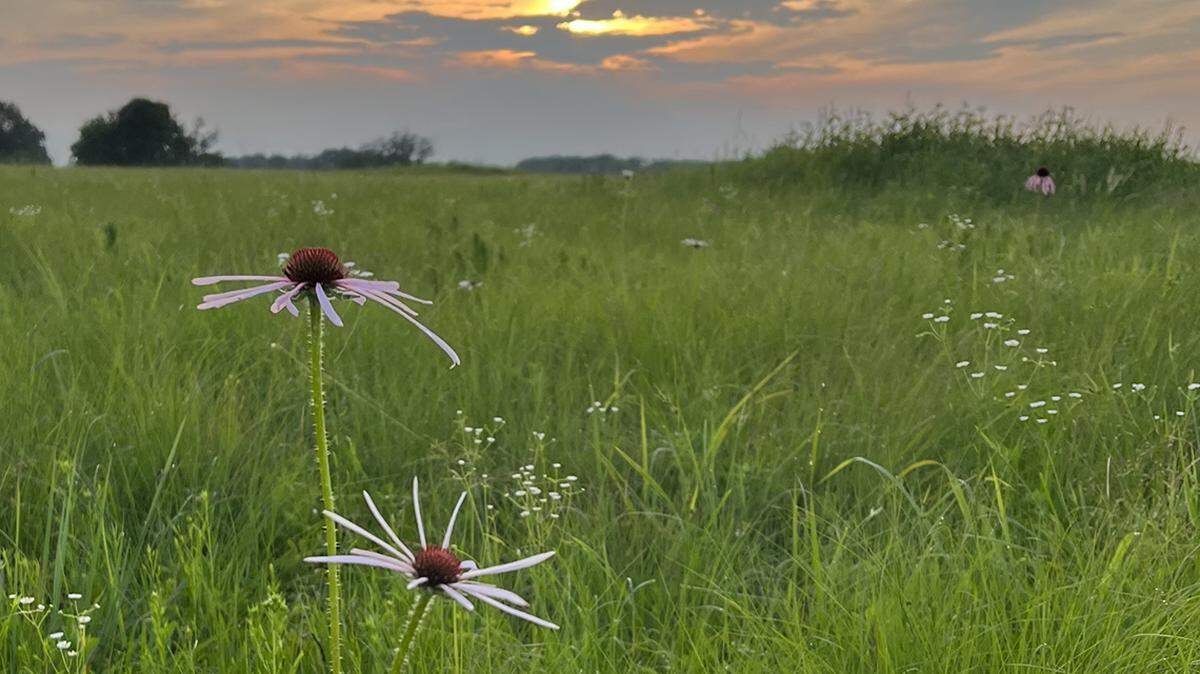
Remember that time we went to the prairie grasslands and there was nothing there? This has been a running joke in my family since the summer when I was 10.
My family made a trip to the tallgrass prairie in Olathe in hopes of entertaining relatives visiting from Seattle. When we arrived, the sun was already high in the sky. The prairie boasted no tall trees or mountains. There were no waterfalls to show off to our guests from the Pacific Northwest. We walked briefly among the tall grasses, in relentless heat and wondered: Is this it?
Bewildered and slightly embarrassed, it was time to return home. We had visited the prairie, but we didn’t really see it.
Now 25 years later, I am giving the prairie a second chance. Tallgrass prairie, which once covered most of eastern Kansas and northwest Missouri, is one of the most complex and diverse ecosystems on the planet. Only the rainforest of Brazil ranks higher. With this insight, the right tools and slightly better timing, visiting the tallgrass prairie is a delightful and illuminating adventure. Here is what I have learned:
Grab your gear. For a safe and enjoyable outing consider these essentials: sunscreen and covering for your head and neck, good walking shoes or boots, tall socks, long sleeves, pants, bug spray and a water bottle. Binoculars are a plus.
Go with a guide. There is no better way to get to know the prairie. Organizations such as the Missouri Prairie Foundation and Deep Roots offer guided hikes and tours to the public. To explore on your own, a field guide book like Tallgrass Prairie Wildflowers or an app like Seek by iNaturalist is a great start.
I began with a guided hike at Snowball Hill Prairie on a windy spring day. Prairie manager Jerod Huebner led a small group through the expansive landscape. Clusters of golden Alexanders and pink downy phlox surrounded us as, to my surprise, we climbed uphill. The topography, Jerod explained, is part of the original prairie remnant, meaning that the land hasn’t been plowed for farming and much of the biodiversity remains intact. The site supports more than 213 different native plant species. Jerod showed us how to identify some of them, including spring shoots of bunchflower lily, which has snowy white blooms in summer. I would have come back to see them.
Timing is key. Spring and fall visits mean milder weather, but each season offers unique surprises. Early- to mid-morning is a great time to visit the tallgrass prairie in any season. The sun is not as high, so the heat is less intense. Also, wildlife tends to be active early in the day, so you are likely to get a good show.
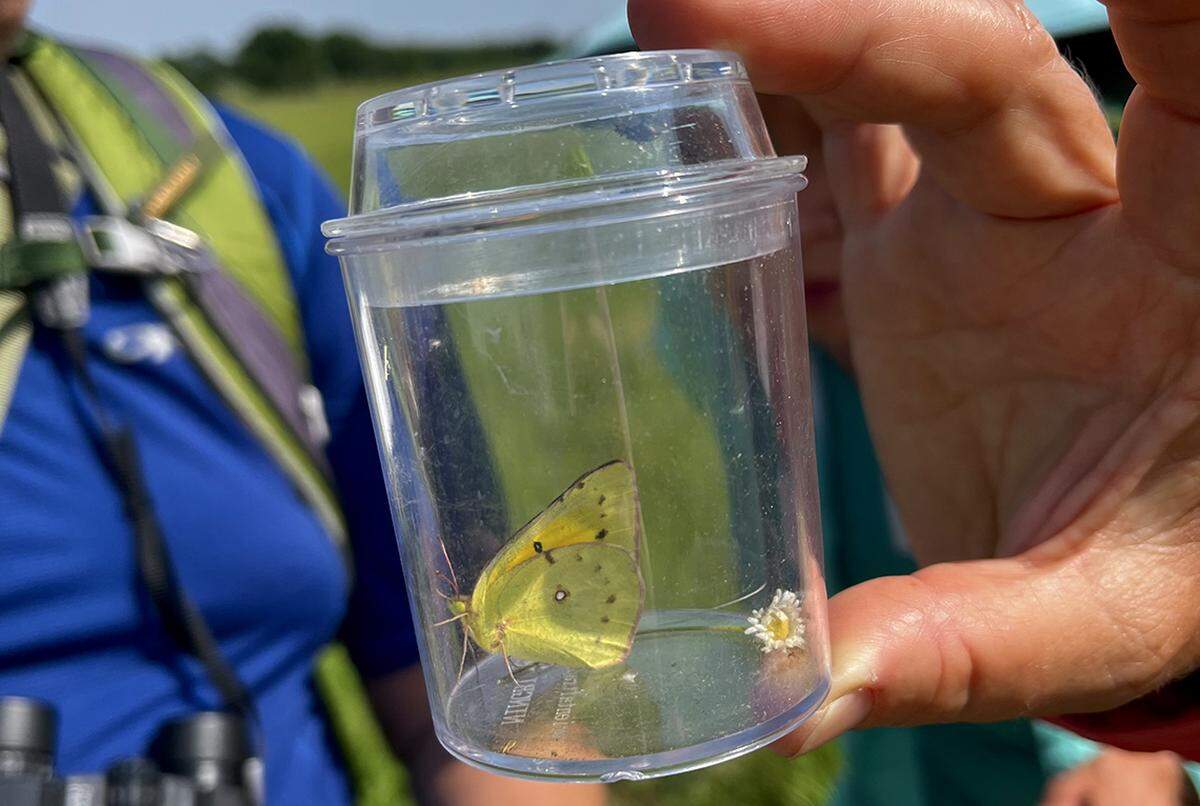
Last summer, I attended a morning bird walk at Carver Prairie as part of the Missouri Prairie Foundation’s annual BioBlitz. With the help of volunteer naturalists, who lent me their expertise and their spare binoculars, I saw a strikingly blue indigo bunting, viewed a nest of hopping chickadees and watched a Henslow’s sparrow hunt for its breakfast. We even spotted two bluebirds, which are known to many as symbols of happiness and hope. I realized that I hadn’t seen one for a long time. Later, we surveyed for butterflies and identified more than 13 different kinds including eastern tailed blues, pearl crescents and a black swallowtail with iridescent spots.
The tallgrass prairie holds all these delights and more for anyone who is willing to slow down and look. With less than 4% of the North American tallgrass prairie still intact, now is the time to get out and enjoy this uniquely Midwestern landscape.
Ginny Varraveto is a Kansas State Research and Extension, Johnson County Extension Master Naturalists intern and a volunteer with the 501(c)(3) nonprofit Deep Roots KC’s Nature Advisors Program. She lives in Roeland Park.
This story was originally published May 30, 2024 at 5:08 AM.