
A decade after Kansas City Jewish center murders, antisemitism is on the rise again | Opinion
Many of us remember where we were a decade ago — Sunday, April 13, 2014 — when we heard the news of the shootings at the Kansas City Jewish Community Center and Village Shalom. We learned through calls, texts and media outlets, and — while still in disbelief — we called our loved ones to make sure they were OK. I vividly remember my hands trembling as I dialed my sister’s number to call and make sure everyone we knew was safe.
Unfortunately, we live in a world with all-too-frequent shootings, but they seemed so distant. Not this time. The Jewish Community Campus has always served so many Kansas City families, far beyond the Jewish community. It was, and continues to be, a home away from home for so many. But on that day, it was the scene of shocking violence. By the end of this antisemitic, hate-fueled attack, three innocent souls were murdered, and the community was left shaken and grieving.
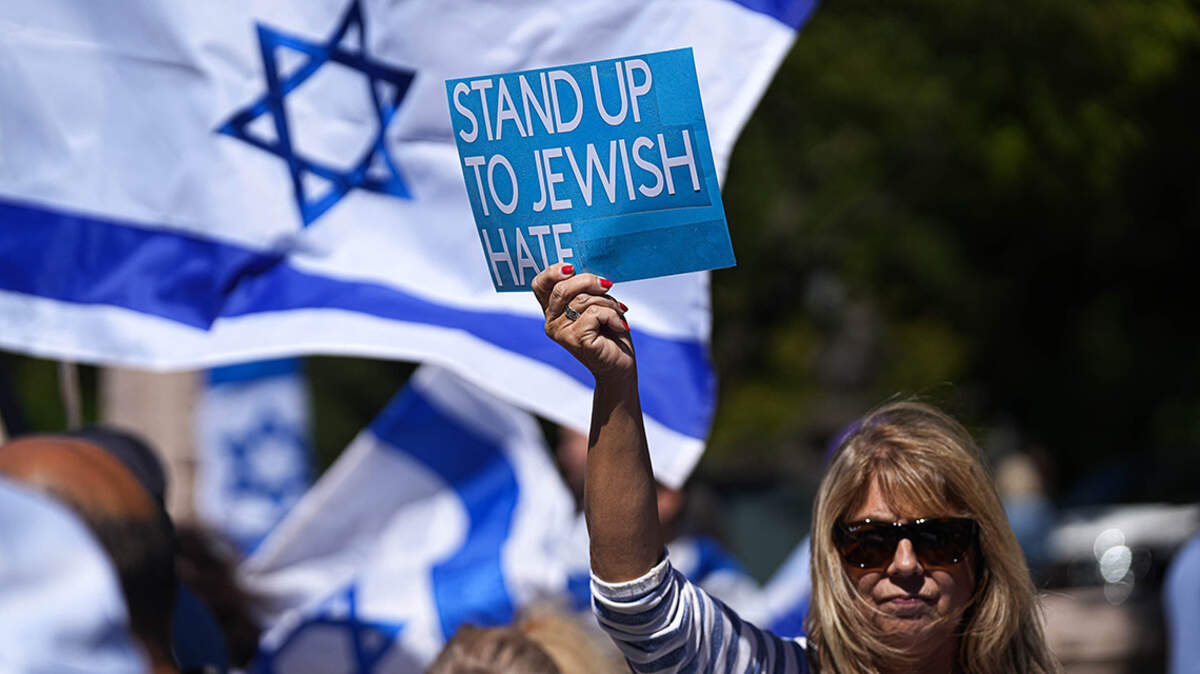
In the 10 years since that devastating day, antisemitic incidents across the country have steadily increased year over year. Even before the unspeakable attacks on Israel on Oct. 7, antisemitic incidents were at record highs. The unfathomable cruelty of Hamas’ attack on Israel is a painful new chapter in Jewish history. With it has come an explosion of antisemitism, resulting in a real, existential fear for the Jewish community worldwide — and right here at home.
The Jewish community, including myself, have found ourselves responding to the real-world impacts of antisemitic tropes going viral, even on celebrity social media channels. We are being viciously attacked simply for being Jews.
Around the country and the world, Jewish businesses and institutions are being boycotted and vandalized. Jewish college students are barricading themselves in buildings to escape antisemitic mobs. Mass rallies shout “Strike, strike, Tel Aviv,” “Globalize the intifada” and “Resistance is justified,” referring to the brutal rape, torture and massacre of Israeli civilians on Oct. 7. Jewish students in our region have told me they are scared to be identifiably Jewish on campus. Just last week, I checked out a newly published book at our local library to find “Hitler was right” and “Europe without Jews is all we want” written on the pages.
Many in our community are now wondering: Will we always be safe here? When will we know when it’s time to leave? We know all too well that when antisemitism goes unchecked, it metastasizes. It not only leads to violence and the expulsion of Jews in public life — it infiltrates the tissues of a society, sowing hatred of and division among all communities, and eroding public trust in our democratic institutions. We know antisemitism was and continues to be a growing problem, but we need the wider community to know it, too.
The Jewish community should not have to fight antisemitism alone. Eradicating it will require a whole-society approach, the courage to lead and the innovation to try something we’ve never done before.
Here in Kansas City, we have an opportunity to take tangible action to ensure our region is a safe haven from hate. That starts with arming ourselves with the knowledge, the networks and the blueprints to affect real change. I urge leaders throughout Kansas City to attend Driving Out Darkness in the Heartland: 2024 Summit on Combating Antisemitism on April 15 and 16. This one-time event will bring national leaders and experts from around the country to provide in-depth education on this age-old phenomenon, and participants will help create a plan of action to combat antisemitism in our region.
It is here in Kansas City, among our fellow leaders, that we will strive for progress for a better world for us — all of us.
Micah Levine is a pulmonary and critical care physician and a member of the board of directors for the Jewish Community Relations Bureau | American Jewish Committee.