
At Shelter KC, we’re doing more for homeless Kansas Citians — and we see the success | Opinion
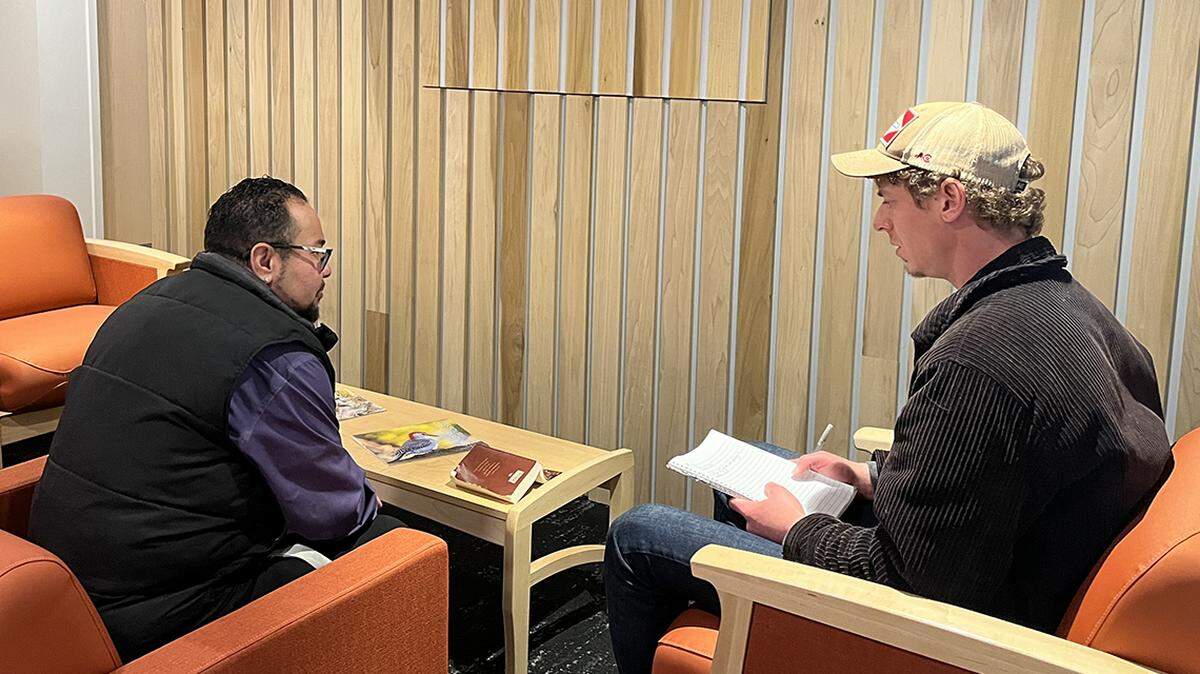
Shelter KC is in the business of saving the lives of homeless individuals. Putting broken lives back together requires meticulous methods and specialized tools.
We work hard every day to recognize the unique issues that have caused each person to lose their support system along with their jobs and their housing.
Paying close attention to the problems that led each individual into homelessness has made us aware of trends in treating the homeless.
Some recent studies of helping the homeless focus like a laser beam on what works best. More and more chronically homeless people are recognizing their own substance abuse and mental health problems. Those who are aware they are addicted to substances seek our help. Meanwhile, we are creating new ways of helping them.
While a lot of attention focuses on the lack of affordable housing as a chief cause of the increase in the homeless population, the horrific contributing factors are becoming clear. Substance abuse, mental health issues and physical health issues significantly impact homelessness.
A 2019 study from California showed that a wide majority of unsheltered adults — 84% — had a physical health issue, while some 78% experienced a mental health condition.
In addition, 75% were substance abusers. Fully half of that 75% suffered from physical health problems, mental health issues and addiction at the same time.
Can drug and alcohol abuse cause homelessness? How about mental health conditions? Common sense says yes. But frequently it is a “which came first?” proposition.
Substance abuse can be a coping mechanism for mental health issues. Most people can see that prolonged homelessness can lead to a severe deterioration of both mental and physical health.
Whatever the contributing causes, each of these problems must be addressed if a person is ever going to be restored to wholeness and healing. Overcoming life-impairing obstacles must happen so people can recover their self-respect and dignity.
That is why Shelter KC has created two new areas at our facility. One is the Renew Mental Health Center. The other is called Respite — an area for those recovering from illness or injury.
These new centers, part of a multimillion-dollar renovation and expansion at our Cherry Street location, will offer the professional help so needed by our clientele. We have partnered with Swope Health for clinical services.
Healing and recovery are essential toward getting a person back on their feet so they can rejoin society. Will this end homelessness overnight? Of course not. But it is a long-overdue expansion that will help many in their personal transformation. And there is more to come. Phase two of our renovation will add additional spaces to help more people find solutions to their homelessness, no matter the causes.
Like many similar organizations, Shelter KC (originally Kansas City Rescue Mission or KCRM), started as a “three hots (meals) and a cot” Christian Gospel mission. The Gospel of Jesus Christ is still the driving force behind what we do. And we still provide the basics — meals and shelter.
However, the bulk of our work is engaging those who come for those services for something more — helping the whole person. When they are ready to commit to the changes necessary to move past their addictions, we offer case management, counseling, educational opportunities, job training and now mental health and physical health services.
This does work, and we see the successes.
Most people don’t personally know anyone living rough on the streets, commonly referred to as “the homeless.”
Most of us avoid going to the areas where these men, women and sometimes even families might be. Our thoughts about homelessness are often driven by what we see in the media — negative stories about violence, drugs and squalor, or the occasional positive story about individuals rebuilding their lives.
Here at Shelter KC, we see those positive stories every day. It is what keeps us going. Come visit us and see for yourself or visit our website at shelterkc.org
Eric Burger is executive director of Shelter KC: A Kansas City Rescue Mission, a faith-based 501(c)(3) nonprofit that does not lobby.