
As architecture professionals, we support a new Crossroads stadium for the KC Royals | Opinion
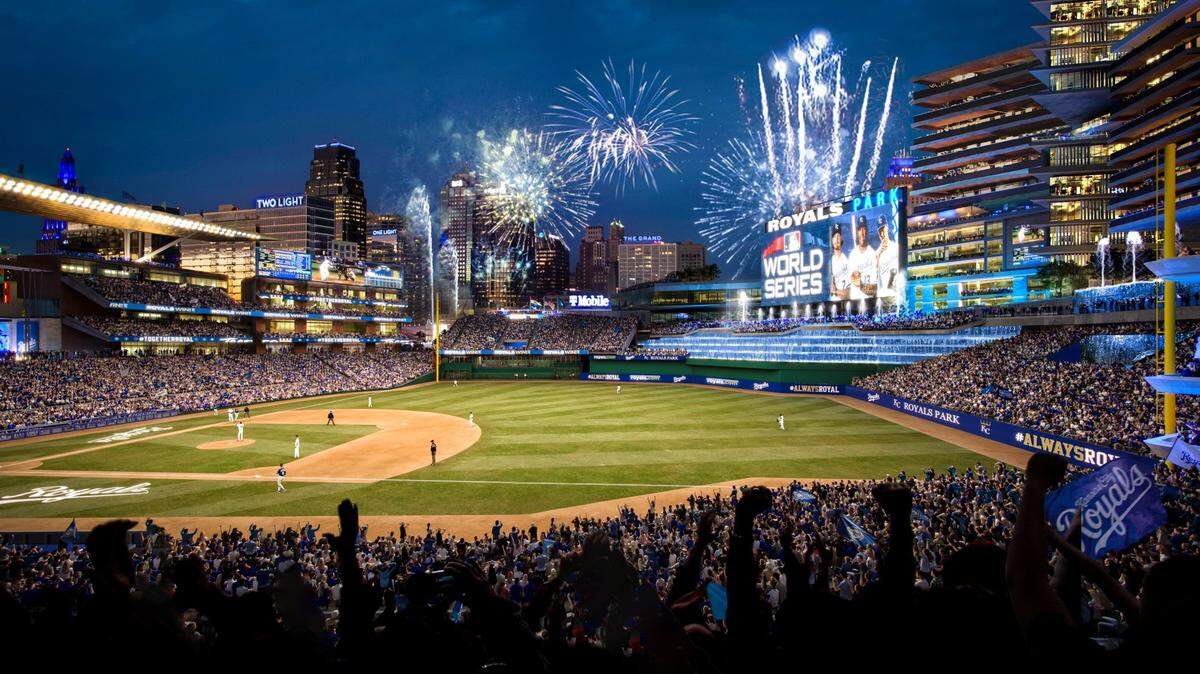
My colleagues undersigned below and I would like to express our enthusiastic support for the proposal to build a downtown-area baseball stadium in Kansas City. As a collective of current and former presidents of the American Institute of Architects from the past 15 years, and leaders in the architecture and business community, we understand that such a project would bring numerous benefits to our community and contribute to the ongoing revitalization of our Crossroads and downtown area.
We recognize there have been missteps in the communication of plans for the ballpark site to the neighborhood, and efforts are now being made to reach out and gain input from community stakeholders and local businesses. Community engagement and clear communication is a critical part of any large civic-scale project. The community benefits agreement announced on March 20 is a great step forward to rectify this.
First and foremost, the trend nationally toward constructing city-center ballparks has demonstrated their immense potential to stimulate the local economy. These stadiums serve as magnets for tourism, drawing visitors from near and far to experience the excitement of baseball games and the unique atmosphere of downtown neighborhoods. This influx of visitors translates into increased business for local shops, restaurants and hotels, providing a significant boost to small businesses and driving economic growth in the surrounding area.
Furthermore, the construction of a downtown-area baseball stadium could greatly enhance the connectivity and enforce existing investment in both the Power & Light District and other local establishments. Plans to build the park over Interstate 670 would create a much-needed bridge, linking two sections of the city that were isolated by our highway system. This coupled with the stadium would encourage residents and visitors alike to explore all that our city has to offer, from cultural attractions to local dining and shopping opportunities.
A Crossroads baseball stadium has the potential to attract new residents and drive population growth in our urban core. The allure of living within walking distance of a major sports venue is undeniable, and the availability of housing options near the stadium would appeal to a diverse range of individuals and families seeking an urban lifestyle. This influx of new residents would contribute to the vitality of our neighborhoods and support the ongoing efforts to revitalize our urban core.
However, it is very important — and there is a great opportunity here — to knit the stadium into the fabric of our downtown-Crossroads neighborhood, with street frontages and pedestrian-scale experiences around the perimeter. Cities where this has been done successfully include historic parks, such as Wrigley Field and Fenway Park. From an urban design perspective, the many newer parks in cities where the immediate surrounds of the neighborhood were not considered when ballgames are not happening have suffered. We can do this better in Kansas City.
Finally, a downtown-area stadium would serve as a gathering place where people from all walks of life can come together to cheer on their favorite team, creating shared memories and fostering a sense of belonging among residents of our city. Baseball is an economically accessible sport, with ticket prices still in line with movie theaters.
We believe that the construction of a downtown-area baseball stadium in Kansas City’s Crossroads would bring about numerous benefits for our community, and look forward to the increased effort to reach out to the community and engage with key stakeholders to ensure a more inclusive process.
Dominique Davison is an architect in Kansas City. She co-authored this with Neal Angrisano, Michael Gekas, Marsha Hoffman, Laura Lesniewski, Galen Lif, Anthony Rohr, Peter Sloan and Richard Wetzel, all former presidents of AIA Kansas City.
This story was originally published March 29, 2024 at 10:41 AM.