
Did you know Kansas still shackles kids in court? It’s demeaning and prejudicial | Opinion
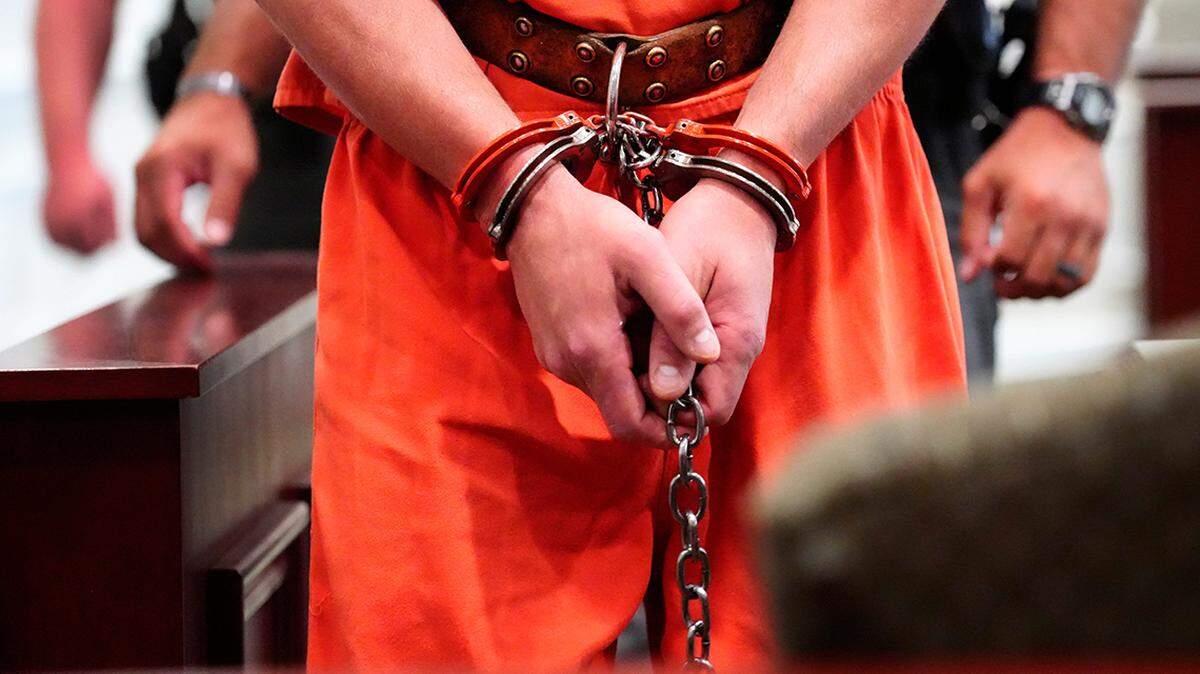
Kansas continues to carry out a practice that research has proven demeans, humiliates, and stigmatizes children: youth shackling. It involves using chains, leg irons, handcuffs or restraints on young people in the custody of the justice system. That means children are being restrained with devices that can weigh up to 25 pounds, including when they appear in court.
In 2016, the Legislature committed to a rehabilitative youth justice system. Yet from the start of their involvement with the existing system, Kansas children are treated as dangerous criminals. This harms their development, undermining the promises of restorative justice. Proponents argue that shackling supposedly “teaches kids a lesson.” They may be right — but it is time we ask ourselves if it is the right lesson.
Shackling is a cruel and pointless practice. Children in custody do not threaten adults working with them. These are just kids whose bodies, brains, and decision-making facilities are still developing. For reference, according to the Centers for Disease Control and Prevention, the average height of boys 12 to 14 years old in the United States is 5 feet 4 inches and their average weight is 127 pounds. American girls 12 to 14 years old have an average height of 5 feet 2 inches’, with an average weight of 125 pounds. In comparison, the average man 20 and older is 5 feet 9 inches tall and 200 pounds, and the average American woman 20 and older is 5 feet 4 inches tall and 171 pounds.
Shackling does real and lasting harm to Kansas children. Research shows indiscriminate shackling of youth leads to retraumatization and shame, and increases recidivism of youth involved in the justice system. Experts and medical professionals agree that public shackling inherently produces shame and humiliation. This is even more acute in children and adolescents whose developing brains are vulnerable to lasting harm from these emotions. Shackling labels children as dangerous, and they are likely to react negatively to being stigmatized. That adversely affects their formation of self-identity, which is crucial during the teenage years of development.
Shackling does not keep communities safe and children out of the justice system. The lack of self and community identity that shackling produces in children could lead to more oppositional behavior, increasing recidivism. A rehabilitative justice system should use trauma-informed practices, not outdated, debunked methods of punitive justice.
Shackling also denies children their legal rights. Adults have legal protections against indiscriminate shackling. The U.S. Supreme Court has established that shackling adults during sentencing is almost always “inherently prejudicial.” Still, children in Kansas face hearings shackled or restrained. Doing so impedes their right to a fair trial by undermining the presumption of innocence and hindering the attorney-client relationship and communication. Why do we not afford kids the same protections as adults?
Shackling is happening to Kansas children. The 501(c)(3) nonprofit Gault Center recently published a report that shows Kansas is out of step with 39 states that have laws limiting or prohibiting indiscriminate youth shackling. The Kansas courts have also paid experts to study the state’s youth justice system. Those experts observed numerous court hearings in Kansas and found in every instance, children were shackled regardless of the crime they were accused of.
This practice is so commonplace in Kansas that it often doesn’t even register with children’s defense attorneys that it is happening to their clients. They reported being numb to it or unaware that it was happening. Kansas youths deserve more than this from the justice system that promises to help them.
The Legislature continues to ignore this demeaning practice and has not protected kids. During the 2023 legislative session, lawmakers could have passed a bill to end the practice of youth shackling, yet they let it die in committee. Two bills to end youth shackling were introduced during the current session, and they again died in committee.
How long must kids in Kansas wait to have their dignity and legal rights heard? Youths involved in the justice system are just kids, and it is time we stop ignoring the harm a system that promises to help them inflicts.
Amanda Schlumpberger is policy and legal research analyst at Kansas Appleseed Center for Law and Justice, a 501(c)(3) nonprofit justice advocacy organization.