
Kansas City lawns shouldn’t all have to look alike. Native plants are just natural | Opinion
In the United States, manicured lawns have become almost synonymous with the American dream. With the expansion of suburban development, more Americans started to become homeowners. Grass-covered lawns symbolized a status of wealth and class. The size, color and quality of our lawn were tied to our character, and was seen as an indicator of whether we proved to be an upstanding citizens. If we were a book getting judged, our lawn was the cover of our book.
Today, many find this traditional cultivated lawn outdated, providing many arguments as to why yards with native grasses and plants are superior. In fact, modern lawns have become harmful in multiple ways. The management of non-native grasses affects our local environments. Polluting the air with gas-powered lawnmowers and leaf blowers, runoff from pesticides and fertilizers infiltrating our local water sources, and reducing natural biodiversity in our communities contribute to this outcome.
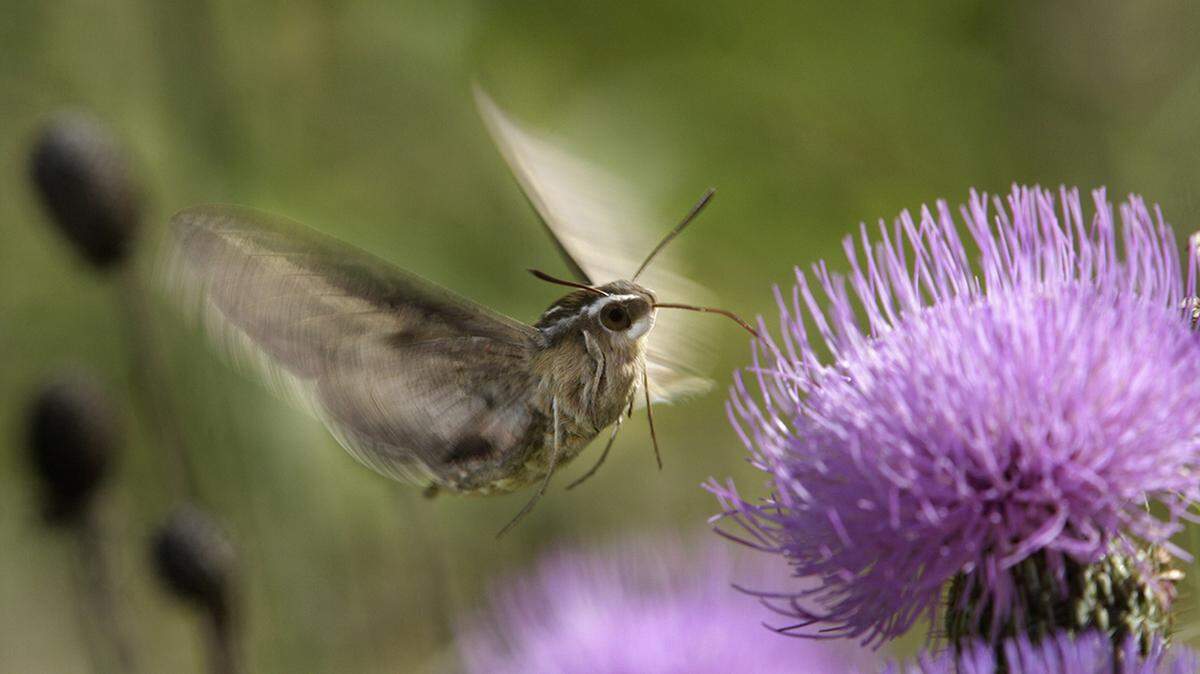
According to the National Science Foundation, American lawns are deserts for biodiversity, reducing the resilience of our suburban ecosystems. Fostering biodiversity exponentially helps support pollinators such as bees, hummingbirds and butterflies. Our local pollinators are already being harmed by the changing environment — but we can help by increasing the number of native plants available to them.
Many people also do not realize that our lawns grown with non-native grasses take more work to maintain. In the Kansas City region where I’m from, most non-native grasses people plant in their yards have short roots, as opposed to regional grasses such as eastern gamagrass, buffalo grass or sideoats grama grass. The deeper root systems of these native plants help absorb more stormwater, reducing runoff and water pollution, help reduce erosion, require fewer pesticides and require less maintenance all around because of their superior water retention. Native grasses evolved to thrive in every part of our country, so why not take advantage of that?
All that maintenance of traditional lawns also costs money and time. According to the U.S. Bureau of Labor Statistics’ 2002 American Times Use Survey, the average American spends around 66 hours a year on their lawn. That includes mowing, leaf-blowing, weeding and so on. For some people, these activities are a relaxing pastime, but those who don’t value maintaining the status quo shouldn’t be forced to conform to conventional lawn standards.
I’m not advocating for traditional lawns to be abolished, and that only grown-out, native wildlife lawns should be allowed. But today, many local city ordinances fine and otherwise penalize those who want to keep more natural plants in their yards. Lawns shouldn’t have to be held to a standard of superficial perfection. Everyone should be allowed to show off and enjoy the native wildlife of our area. Kansas City municipal code Chapter 48 - Nuisances, Article I, section 48-1 defines “rank weeds” as “any vegetation which is ten inches or more in height, including but not limited to grasses and unattended growths of other plants, bushes and shrubbery” — plants that are forbidden and can result in fines. Ten-inch plants aren’t necessarily nuisances — and many homeowners would find them desirable.
Changing our local yard ordinances is the first step in transitioning to an America that welcomes wildflower and natural grass lawns. And it isn’t as hard as we might think. Suburbs such as Overland Park and Blue Springs have already begun to change their legal language to allow for more native and wild landscapes.
If you want to help the environment, spend less time and money, and get to appreciate the beauty in our native wildlife, I urge you to message your municipal legislative officials to bring awareness and support against these lawn restrictions. Just think about how wonderful it could be to look out your front door and see a thriving ecosystem.
Angelina Hodes of Lee’s Summit is a student at Dickinson College in Carlisle, Pennsylvania, who is passionate about Earth and our connection to it.