
Like many Missourians, I had to ration my insulin. Drug patent abuse is out of control | Opinion
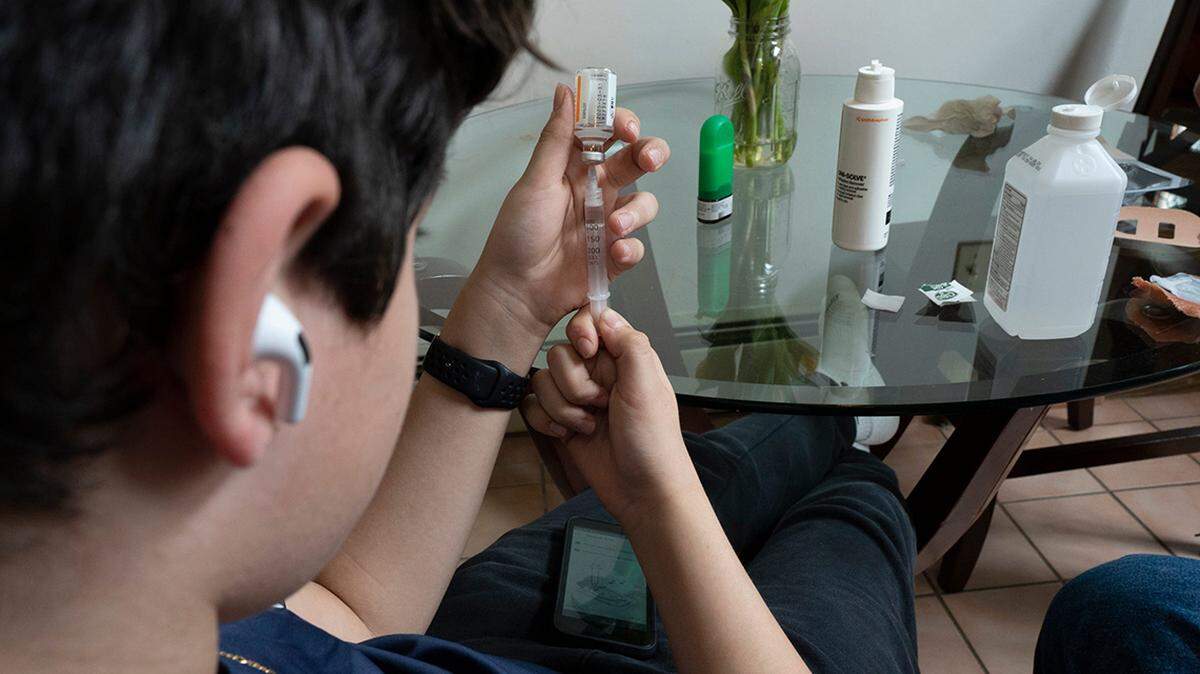
Everyone needs insulin to survive. Most people’s bodies produce and use it without assistance, but 37.3 million other Americans with diabetes — myself included — don’t have that luxury.
I am one of many Americans who feel stuck balancing on a tightrope, at the will of what the pharmaceutical industry deems an “affordable” price for my life-sustaining medication. We must purchase insulin and other prescriptions or supplies to live as normal a life as we can. Treatment innovations and options are crucial but they don’t help much if people they’re unaffordable. Congress can change that.
In 2018, I began talking about how I had to ration my insulin to survive until a time when I could afford it. A year earlier, I went to the pharmacy to purchase my insulin, Humalog. The price had risen more than 1,200% since the 1990s. I discovered that each month’s supply would cost more than $500 until I met my annual insurance deductible of $6,000. I was 19, a college student and making about $11,000 a year, working part-time to pay for tuition.
I left without purchasing anything, then instead rationed heavily for the entire year. I survived by sharing insulin my Type 1 diabetic father purchased through Medicare, receiving samples from a kind doctor and accepting an insulin donations from a mother who had lost her Type 1 diabetic daughter.
I am no longer in this position thanks to advocates such as those at T1International, a nonprofit that advocates for Type 1 diabetes patients. Others are not as lucky. While copay caps have helped a lot of people, they’re not enough. Since Trulicity, a leading diabetes drug, first appeared on pharmacy shelves, its price has risen 82%. Often, your doctor can prescribe or your pharmacist can fill a prescription with a generic option. That’s neither the case with Trulicity nor many other medicines that help Missourians.
Cancer, arthritis medication costs skyrocketing
People with diabetes aren’t the only ones struggling with high drug prices. Likely you, a friend or relative is, too. Missouri has one of the worst rates of new lung cancer cases in the United States, nearly 30% more than the national average. In addition, almost 1 in 3 adults in Missouri suffers from arthritis. Yet prices for common treatments for these conditions are skyrocketing. Keytruda, a lung cancer drug, cost an average $59,642 a year — nearly the entire median Missouri household income — for a Medicare patient in 2020. Prices for arthritis drugs Enbrel and Humira have increased 617% and 506% respectively since their launch. Like Trulicity, none of these drugs face competition.
Therapeutically equivalent drugs save money for patients, health insurance companies, employers and taxpayer-funded programs including Medicaid and Medicare. But they face a bureaucratic obstacle: Pharmaceutical companies exploit patent system loopholes to block them from the market.
The U.S. Patent and Trademark Office gives inventors an initial 20-year monopoly on innovations. But brand-name drug companies tweak existing medications (often in minor ways such as dosage or product design) to amass “secondary” patents. “Patent thickets” protecting Trulicity, Keytruda and other drugs mean manufacturers won’t face generic competition, on average, for 41 years instead.
Extending drug monopoly pricing by decades means patients can’t buy cheaper generic alternatives. The only recourse for competitors is to ask courts to invalidate those secondary patents. Upstarts win about 73% of the time, but cases are expensive ($2.5 million dollars median in 2019) and take years to complete. We need to end over-patenting before it happens.
In January, legislators can close these loopholes. Sen. Josh Hawley introduced two related bills in 2023. We hope he and his fellow Missourians in Congress will vote to thwart patent system abuse. More than 80% of voters across party lines want federal agencies to encourage greater prescription drug competition. We need more lower-priced generic drugs on pharmacy shelves for people like me — and maybe you — who need them, in Missouri and across the U.S.