David Kent helped create an enduring legacy for classical music in Kansas City | Opinion
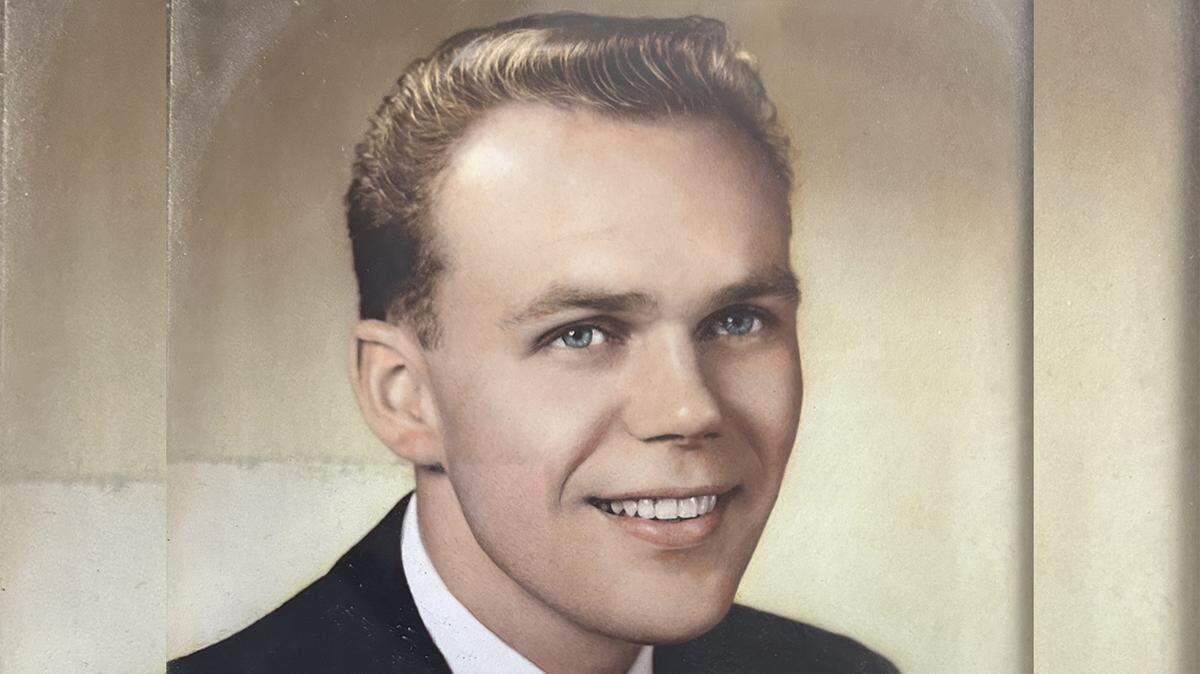
Our father David Guild Kent was a pillar of the Kansas City classical music scene. The former general manager of the Kansas City Philharmonic, precursor to today’s Kansas City Symphony, passed away Jan. 2 at his home in Belton.
David was born and raised in Port Angeles, Washington to an undertaker (with an engineering background) of Scottish-English heritage and a hospital candy striper from Norway. He attended Pacific Lutheran College for two years studying theology and mathematics before being called up for the Army, where he was vetted for the Selective Service to work as a communications coder during the Korean War. His last station was at Fort Devens, Massachusetts, where he experienced live orchestral music for the first time and realized that he wanted to spend his life supporting symphonic performances of classical music.
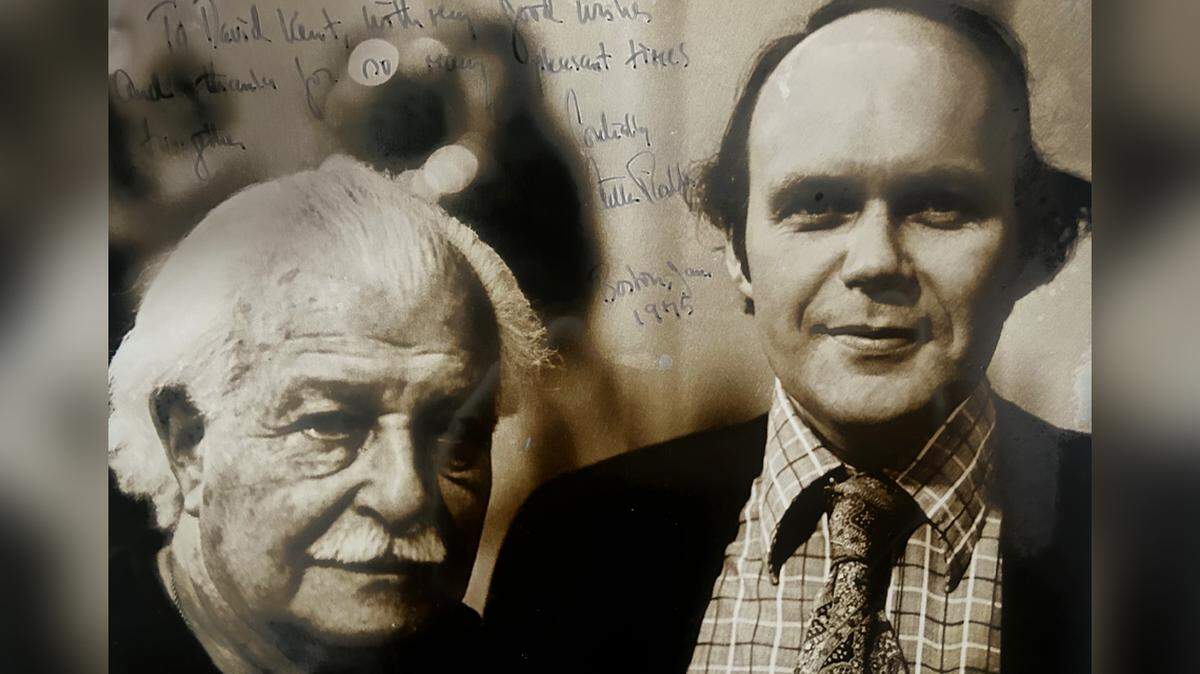
Our dad utilized the GI Bill to earn a degree in business administration at the University of Washington and promptly moved back to Boston, getting himself hired to work in the front office of the Boston Pops, under the direction of Arthur Fiedler. Fiedler got a big kick out of this young, very passionate administrative man. David met our mom, Elaine Johnson, got married, and took advantage of every seminar and conference on symphony management, soon becoming the general manager of the Rhode Island Symphony.
David arrived at what was then called the Kansas City Philharmonic Orchestra in 1978, after stints with the Hartford Symphony, Denver Symphony and Miami Philharmonic. His longest tenure was with the Denver Symphony Orchestra, where he hired the charismatic and brilliant conductor Brian Priestman as music director, and was instrumental in the fundraising and acoustic design of Boettcher Concert Hall — the first “in the round” performance hall built in the United States, working closely with acoustician Christopher Jaffe. He had a knack for meeting everybody along the way, established artists such as Aaron Copland, Henry Mancini and Leonard Bernstein, and new talent such as Don Lewis, who created a synthesizer precursor that inspired the Musical Instrument Digital Interface or MIDI standard that is still used around the world today.
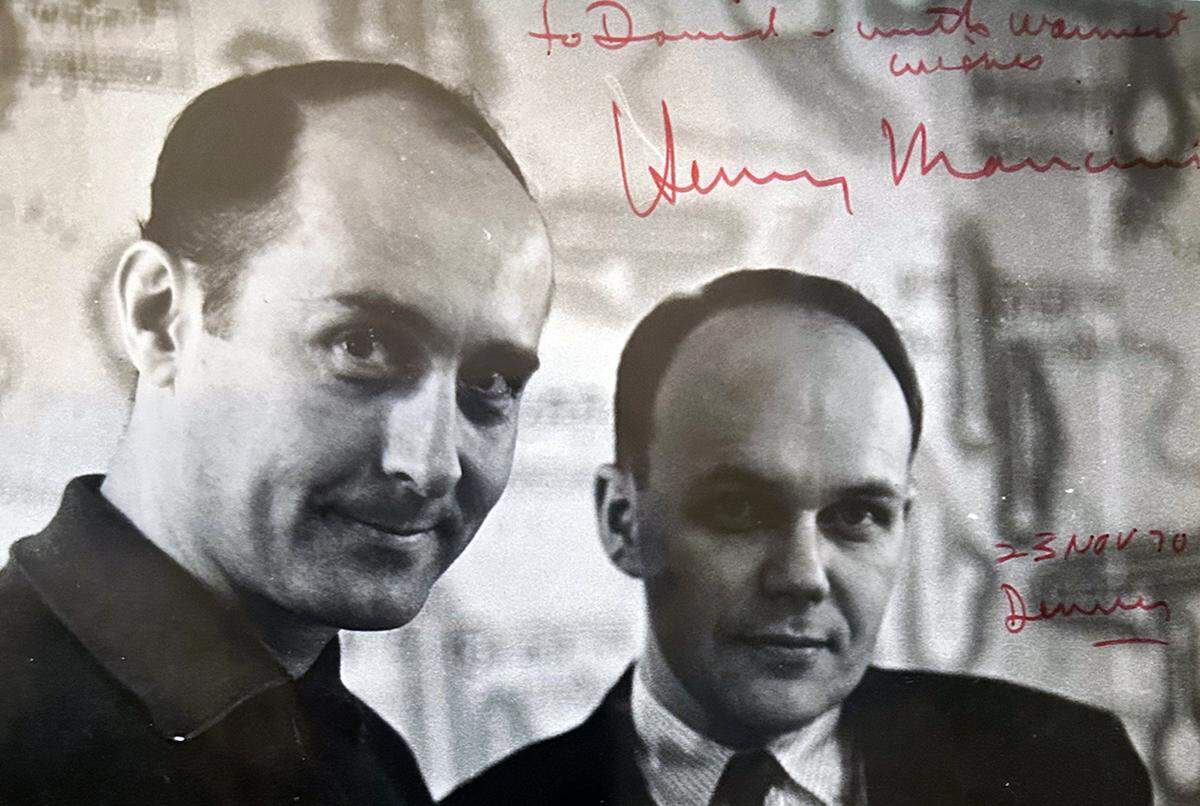
David developed personal ties with many of the artists he worked with. He loved musicians, recognizing their talent and perseverance in sticking with their creativity despite whatever difficulties they faced in life.
His respect for musicians was unparalleled. In Kansas City, he labored on behalf of the musicians’ union, trying to improve both their compensation and their opportunities to play more music. Dad was especially proud of the 1979 Philharmonic season, highlighting “Star Music III” featuring Buster Crabbe — the original Flash Gordon — and Lewis, as well as the Leonard Bernstein Festival), featuring actress Madeline Kahn and Bernstein himself.
David’s enduring legacy is introducing the tradition of Tchaikovsky’s “1812 Overture” with live cannons as the final performance of the free public concert every Memorial Day. That tradition continues today in the Kansas City Symphony’s annual Celebration at the Station concerts at Union Station.
His managerial competence and ability to establish enduring friendships with consummate artists may have had something to do with Priestman closing out his illustrious career as artist in residence and conductor of the Symphony Orchestra at the University of Kansas.
“Public performances such as the Celebration at the Station have been a home run for the city and the symphony, bringing classical music to the masses like no other event,” said Patrick Neas, regular Star classical music contributor. “We should be very grateful for that.”
We can be proud that our father played a role in that gift to all of Kansas City.