
This learning method boosts students’ social skills — and it started at UMKC | Opinion
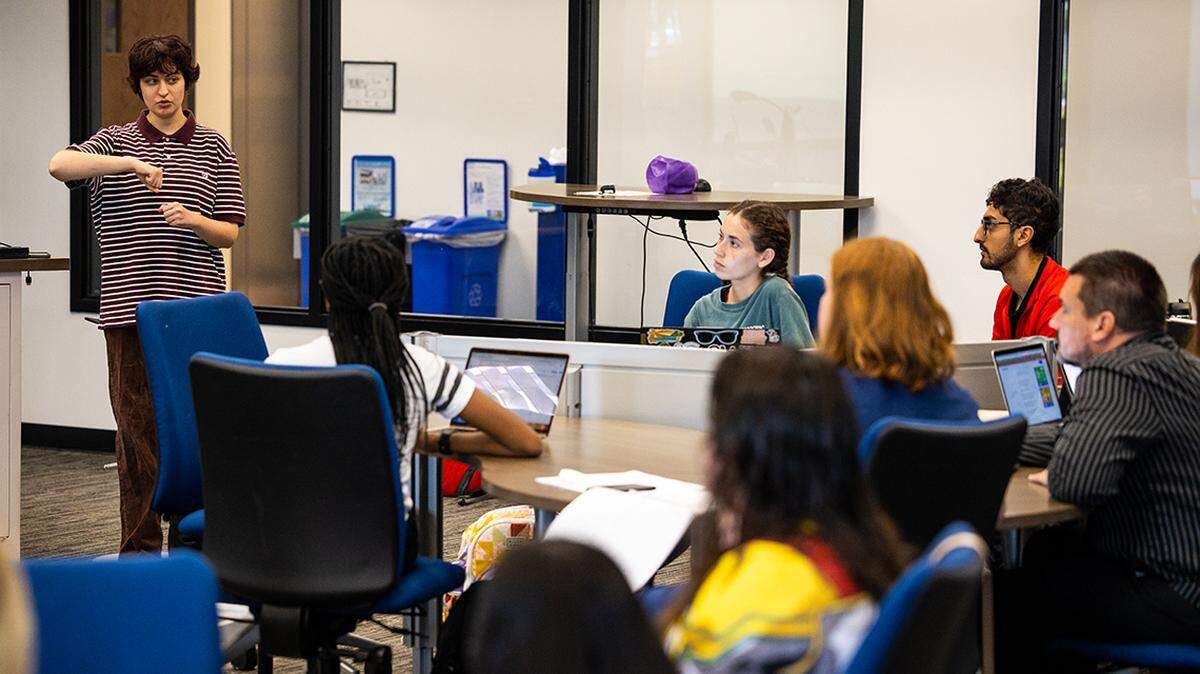
Supplemental instruction — otherwise known as SI — is a unique approach to peer mentorship. And this innovative approach to learning has roots right here in Kansas City.
Although similar to group tutoring, supplemental instruction does not focus as much on individual work. Instead, these structured sessions rely on collaboration among attendees to review material from historically challenging courses. A typical SI session lasts around one hour, and consists of two to three carefully-planned and often fun activities. It’s common practice to start with a warm-up and slowly build into more higher-level concepts.
Developed at the University of Missouri-Kansas City in 1973, it aims to increase retention in complex courses, improve students’ grades and bolster graduation rates. In a little over 50 years, SI has expanded to hundreds of universities across the United States and internationally in countries such as the United Kingdom and South Africa. Depaul University in Chicago cites a 90% success rate for SI students, and Iowa State University notes that on average, attendees boast a half to whole letter grade higher than those who don’t participate.
It’s been recognized by the U.S. Department of Education as an effective intervention strategy, and achieves this level of success by encouraging attendees to work through difficult problems together.
As a new SI Leader at UMKC, I’ve been amazed by the impact of my biweekly sessions on students’ confidence levels in programming with the Python computer language. They might come in feeling unsure on a subject, so I try my best to tailor sessions to the group’s needs. During this hour, I often see them come out of their shells, connecting with peers to complete assignments step-by-step. They typically work in small groups, which is ideal for students who might be hesitant to talk in lectures. Through actively engaging every attendee, I can see those “lightbulb moments” when they find solutions for difficult problems.
Academically, SI uses collaboration to promote individual success. This is why most of my session activities encourage students to work in groups, bouncing off one another for ideas. They do programs together, solve logic-based problems and often approach the same question from different angles. If someone is confused, I encourage others to help them through the process. As they visit, my hope is that they begin to feel comfortable learning and growing together.
Before I considered applying to be an supplemental instruction leader, I attended these groups primarily to boost my grades and review test content. I took my first computer science course as a transfer student last semester, often studying alone and feeling distant from others in my class. However, with a little encouragement from the SI leader, I decided to start participating. By speaking with her, I grew more confident in the subject matter and learned to speak up when I didn’t understand something. I developed study skills and felt more connected to UMKC, eventually earning a 97% in the class.
As a fellow student, I’d also assume my presence is less intimidating than a professor or faculty member’s. I’ve taken some of the same courses they have, meaning I have a fresh understanding of what it’s like to struggle through difficult exams or assignments.
The social element contributes to SI’s success. By meeting on a regular basis, students connect with peers who might otherwise be strangers. I’ve seen friendships form, and they extend outside our established meetings. College can be an isolating experience, so building these connections is a huge factor in their individual success.
Supplemental instruction succeeds not only in students’ grades, but because of student involvement. Attending class doesn’t have to be an isolating experience, and I hope through my sessions, I give students a safe space to ask questions, take risks and strive for success.