
Diesel trains pollute Kansas City’s air. It’s time for the EPA to demand a cleanup | Opinion
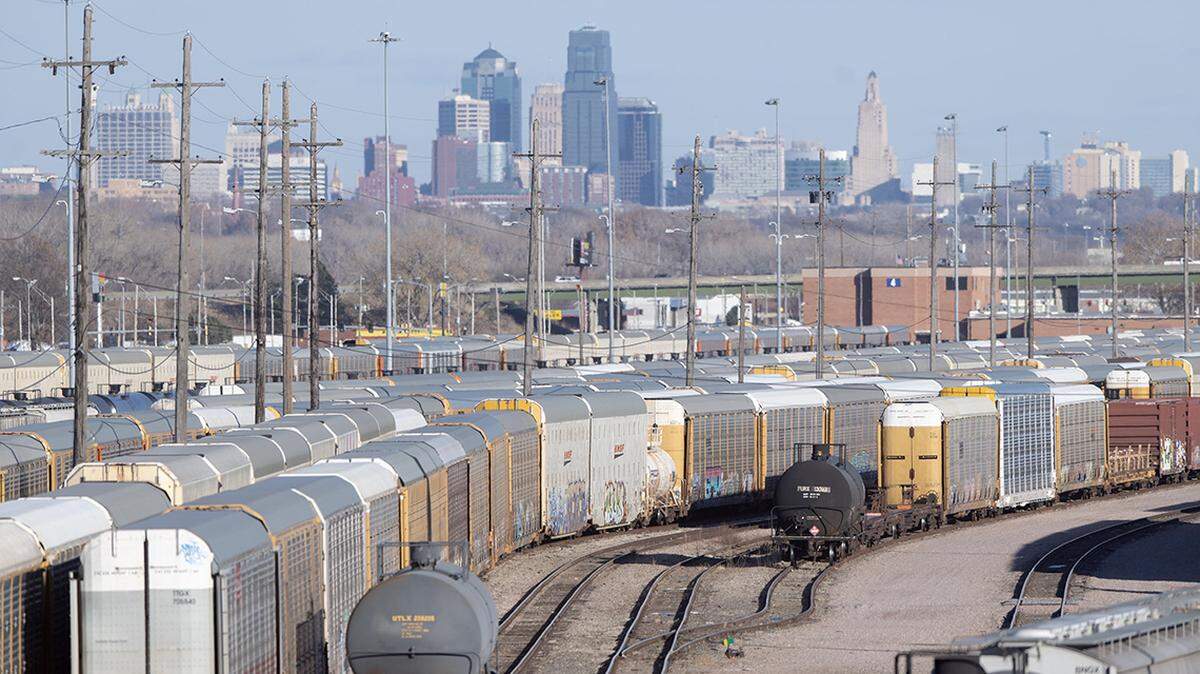
Kansas City is home to the second-largest rail hub in the United States, and is facing a pivotal moment that will either protect or continue to endanger the health of many of our residents. The exhaust from decades-old diesel locomotives contains particles (nitrogen oxides and black carbon) that scientists and public health experts have long known cause lung cancer, severe asthma, heart disease and neurological disorders.
By the end of this year, the U.S. Environmental Protection Agency is expected to update its 15-year-old emissions standards to reduce pollution from all locomotives, new and old. Will they do the job?
Regulatory loopholes allow the multibillion-dollar railroad industry to skirt federal locomotive emission standards. Right now, freight trains can operate as long as their owners want. Trains meeting the most recently-adopted emissions standards make up fewer than 10% of locomotives in service today. Rail yards are therefore some of the most toxic facilities in the freight movement system.
More than 90% of diesel exhaust consists of ultrafine particles less than 1 micron in diameter. They are small enough to travel to virtually any organ system in the human body and disrupt normal cell function. No surprise, then, that some doctors call the neighborhoods closest to inland and sea ports “diesel death zones.”
Poor health outcomes associated with air pollution and cumulative impacts is affecting front-line and fence-line communities: bright lights, noises, vibrations that feel like earthquakes, tracks that cut through communities resulting in idling locomotives that prevent emergency vehicles and all traffic from moving. The lack of regulatory action and accountability has made it so that members of my organization, Moving Forward Network in Kansas City and around the nation, conduct their own community-led research and lead community-driven solutions and policies.
The level of grassroots organizing and community pressure prompted the EPA to conduct the Kansas City Transportation and Local-Scale Air Quality Study or KC-TRAQS in Kansas City. It shows that the air we breathe in parts of our city contains two to three times the acceptable level of toxic fine particulate matter. Additional evidence comes from Centers for Disease Control and Prevention data, which demonstrates that regular exposure to industrial pollution and diesel exhaust shortens the life expectancy of neighborhoods such as Armourdale and Argentine in Kansas City, Kansas, by 22 years. Data also places neighborhoods east of Troost above the 90th percentile in the nation for respiratory health disease. Low-income communities and communities of color often suffer the most from the locomotive pollution because rail yards and routes are often in or near these communities.
Our neighborhoods should not have to suffer. An industry that made nearly $80 billion last year has the financial capacity and the technology to switch its locomotives and rail yard equipment to zero emissions. About one-third of the world’s rail lines are electrified. The U.S. does not have to depend on fossil fuels longer.
With communities across the country, the Moving Forward Network has made clear demands to the EPA that would begin to address the legacy of environmental injustice. First, the agency should finalize its locomotive preemption proposal by the end of October 2023. By the end of this year, the EPA should require that:
- All new locomotive switching engines must be zero-emission by 2025, and 100% of all new line-haul engines be zero-emission by 2030.
- All locomotives or locomotive engines that are not zero-emission will be retired and scrapped by 2045.
- All remanufactured locomotives and locomotive engines meet appropriate low or zero-emission standards by the middle of this decade.
Zero-emissions locomotives are feasible and critical. Lives can be saved if the EPA takes sufficient regulatory action to meet the urgent public health demands from front-line and fence-line organizations.