
Corn drives US food policy. But big business, not Midwestern farmers, reaps the reward | Opinion
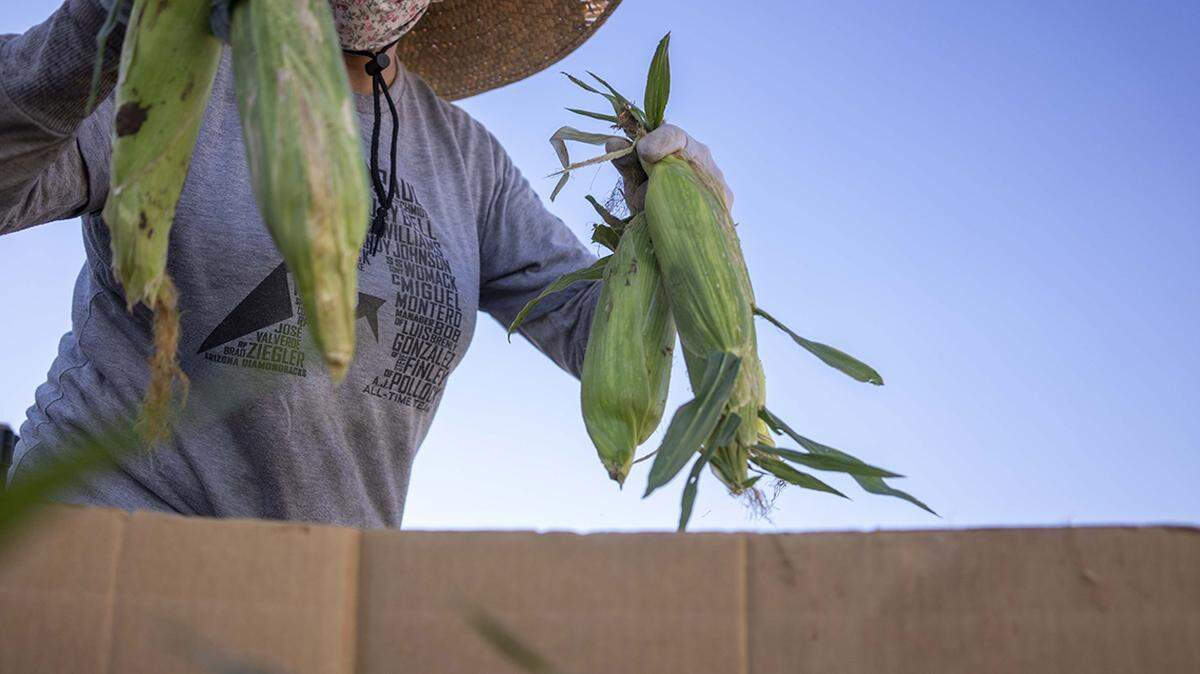
Farming needs disruption more than gas-guzzling cars ever did, and it boils down to one word: corn. You’ve probably noticed corn syrup in food labels and corn ethanol at the fuel pump, but you may not know that one species — z. mays, a grain — is more prevalent and destructive than virtually any other in U.S. farms, including those across Kansas and Missouri. This directly results from American agriculture policy, and right now we have the power to change that if we focus on bedrock issues such as corn subsidies.
No, corn is not an evil crop, nor are farmers in the Corn Belt shady criminals. However, the devastating effect of corn owes to the industrialization of the plant by a small group of global agribusiness and food conglomerates, which acts as a kind of de facto corn cabal. These massive corporations — seed companies, crop and meat processors, commodity traders and household food and beverage brands — all survive on cheap commodity corn, which currently costs about 10 cents a pound. Corn’s versatility makes it the perfect crop to “scale” (commoditize, industrialize and financialize).
Sure, we eat sweet corn in salsa, tortillas and elote, but this variety of the plant accounts for less than 1% of the entire maize crop. The vast majority of U.S. corn — more than three-quarters — is used for livestock feed, fuel ethanol and sweeteners.
These large companies secure their supply of cheap corn through subsidy programs such as the farm bill, the primary federal food and agricultural policy package that’s being reviewed now in Congress. Besides the SNAP food stamp program, the half-trillion-dollar farm bill’s major effect is to support domestic commodity crop production through direct subsidies and insurance programs. These multibillion-dollar government programs don’t go to small farmers. The largest 10% of farms receive nearly 80% of subsidies, primarily for commodity crops such as corn and soy — and entities downstream or upstream of the actual farmers earn most of the profits.
Farm bill is welfare for multinational corporations
U.S. corn is a nearly $100 billion industry that has received billions in subsidies for decades. The agriculture industry spent more than $165 million in political lobbying in 2022 alone, according to the nonprofit newsroom Investigate Midwest. The farm bill, and U.S. agricultural policy generally, amounts to corn corporate welfare for multinational business enterprises. The complexity of the nearly 1,000-page farm bill obscures this and makes advocacy for reform in the 2023 bill update difficult.
And these corn subsidies are not dollars well spent — they actively harm public health and the environment. Livestock, more than 90% of which are mostly fed corn and soy in factory farms, contribute approximately 14.5% of all greenhouse gas emissions, according to a 2020 CNN report. The vast majority of corn and soy calories fed to animals do not translate into calories in meat and dairy products — way less efficient than pasture-raised livestock or plant-based foods. Plus, cows naturally eat grass and chickens naturally eat insects, not corn. You can plainly taste the inferiority of corn-fed meat.
In processed foods and drinks, corn syrup is associated with obesity and Type 2 diabetes, not to mention the harms of a diet of ultra-processed foods. As a fuel, corn ethanol is actually dirtier — emitting more carbon in its production — than pure gasoline.
Corn’s harm owes not only to its uses, but also its production method. American corn cultivation happens in great monocultures that are entirely reliant on chemical fertilizers, herbicides, pesticides and mechanical plowing. Together, these practices “nuke” the soil, devastating native microorganisms, insects, rodents, birds and plants, while also causing erosion and runoff into waterways that can cause massive aquatic life die-offs. Farming in the Corn Belt has done more damage to the shrimp fishers in the Gulf of Mexico than the Deepwater Horizon oil spill did.
And yet, more than half of all agricultural land in the United States — an area the size of California — is devoted to just corn and soy. It’s a food security gamble too: Overproduction of a monocultural species can lead to disasters such as the blight that caused the Irish potato famine or the historic bird flu pandemic that is currently plaguing poultry producers.
The farm bill is not just agricultural policy — it is environmental policy, economic policy, health policy and social policy. We are all stakeholders. The farm bill creates the food markets that farmers must sell into, that we must eat from and that shape our environment. So, let’s focus instead on biodiverse, nourishing, sustainable crops such as nitrogen-fixing legumes, seasonal vegetables and perennial wheat.
Yes, it will be hard to get real agricultural reform past Corn Belt politicians, just as it’s hard to get energy reform past Appalachian politicians, but we must try. So let’s not waste the critical opportunity for reform in the 2023 farm bill by getting lost in the complexity and noise of the process.
Let the people rally around a single message: It’s time to end corn corporate welfare. If we do that, it will be a clear, strong step toward more and better options for farmers and consumers.