
Bob Dole worked across the aisle to help people around the world. He earned his honors | Opinion
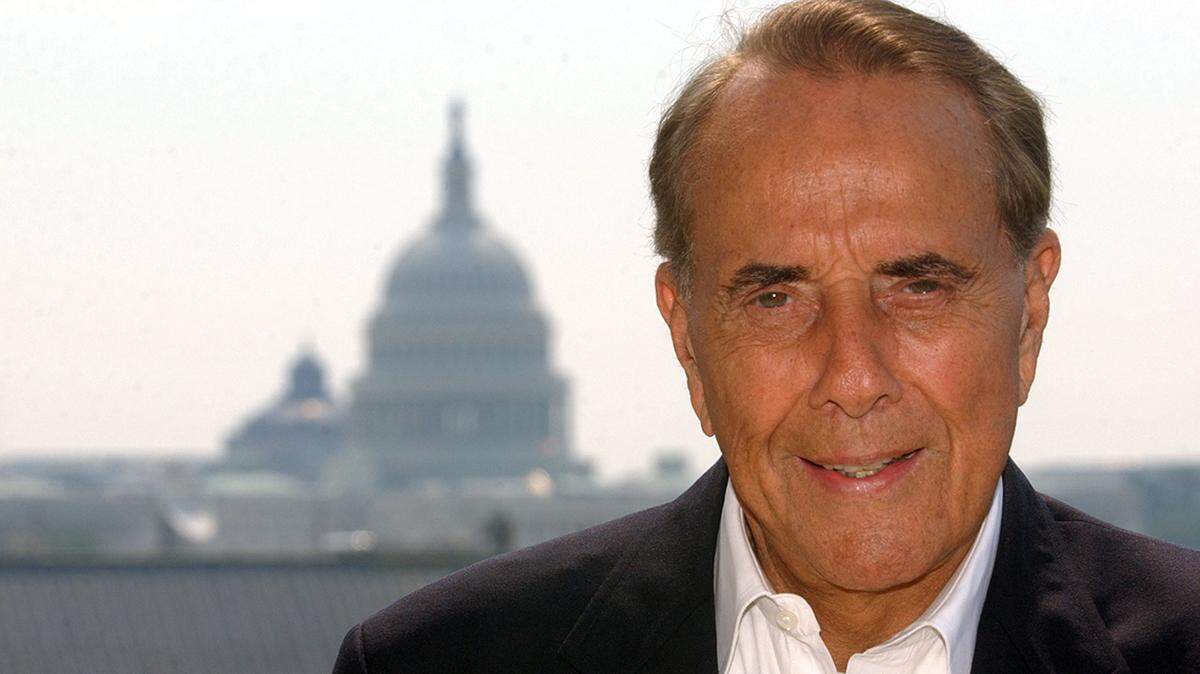
On July 22, Kansas’ Bob Dole would have turned 100 years old. He will long be remembered for his unique brand of leadership on both domestic and global issues, his commitment to military service, his support of the World War II and Eisenhower memorials, and his unique and sharp wit. On that day, the Robert J. Dole Institute of Politics at the University of Kansas will honor the longtime Republican U.S. senator with A Landmark Celebration, beginning at 10 a.m.
It was Sen. George McGovern, a South Dakota Democrat, who brought me from that state in 1973 to serve as counsel to the Senate Select Committee on Nutrition and Human Needs. I was a Democratic counsel, but I wound up serving both Sens. McGovern and Dole on issues related to food, agriculture and nutrition. I suspect that bipartisan cooperation could not happen today.
Dole was chair of the Republican National Committee during George McGovern’s 1972 presidential campaign, and as such, he frequently took the lead in attacking the Democratic nominee. But they were both World War II veterans from the Midwest, and after the campaign, they worked together on behalf of the hungry here at home and around the world.
The historian Jon Meacham, writing about President Franklin D. Roosevelt and United Kingdom Prime Minister Winston Churchill, said: “There is almost always a practical element in a politician’s connection to others, particularly to other politicians.” I suspect that was true of Dole and McGovern, but their relationship clearly became a genuine friendship. They defended each other to their respective political bases and enjoyed each other’s company.
Dole had a heart as big as his beloved state of Kansas. With his special friend McGovern, he helped to feed millions of people around the world. They worked together to support the price of wheat, and helped reform the Supplemental Nutrition Assistance Program, also known as food stamps, and other child nutrition programs. They created the Women, Infants and Children’s program for pregnant women and their children. Then after they left the Senate, in collaboration with President Bill Clinton, they created the global school lunch program that now feeds millions of children in the poorest areas of the world.
The U.S. Department of Agriculture’s McGovern-Dole Food for Education Program attracts young people in food-deficit countries around the world to school, where they are provided with meals — and an education that changes their lives. The program is targeted especially at girls in these nations, where they often don’t have the same opportunities as boys. Parents allow their daughters to attend school for the food, but their education changes everything. Studies have proven that when girls go to school, they get married later, have fewer children and see brighter economic futures.
Dole also worked across the aisle to support the Americans with Disabilities Act, a major civil rights bill. It was his idea to name the U.S. Department of Health and Human Services’ headquarters’ building after Vice President Hubert H. Humphrey, a Minnesota Democrat.
Dole was a great humanitarian who was too modest and understated to seek recognition. When it came to food and nutrition, he was quick to say he just followed McGovern’s lead. But that was not true. Dole was and remains a profile in courage. General Mark A. Milley, chairman of the Joint Chiefs of Staff, presented an American flag to Sen. Elizabeth Dole after her husband was buried at Arlington National Cemetery last year. President Joe Biden gave a eulogy at his funeral.
Rest in peace, Bob Dole. You deserve it.