
Don’t force Kansas City police officers into situations they aren’t trained for | Opinion
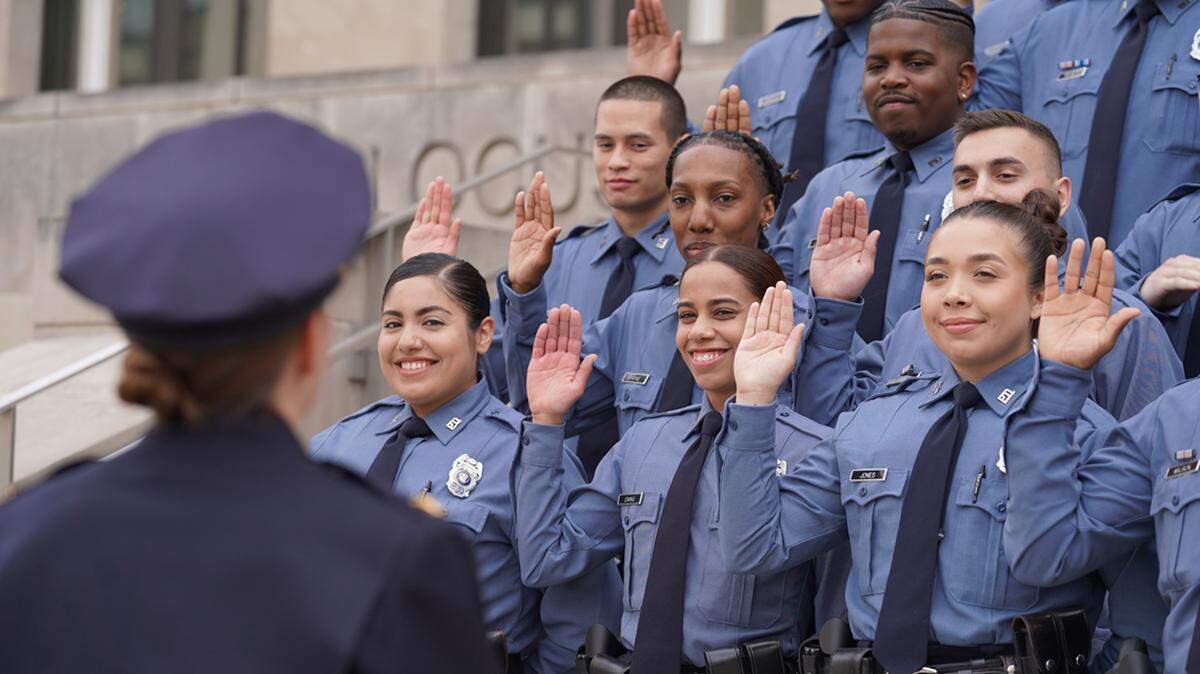
As we experience Kansas City’s struggles with control over its police department and the high rate of shootings in our city, we need to be aware of the lay of the land in law enforcement today. Current police operations function in a politically fragmented society with overt and implicit racial discrimination, a deep history of disenfranchisement of Black people, a growing, dramatic income disparity, increasing minority residents and cultures, the vast proliferation of guns, a drumbeat of publicized excessive use of force by police — and an increasing call for change by the public.
What factors hamstring efforts at police reform?
- Supreme Court decisions that enable such practices as warrantless and knockless searches, as well as shielding police from accountability.
- Police unions obstructing departments’ efforts at weeding out problem officers.
- Entrenched police cultures in some cities, including brutal, unsupervised special units, systemic racism, a “warrior” mentality and an embattled outlook justifying any action.
- The use of armed officers in many situations where weapons are not necessary, as well as the militarization of police equipment and image.
- The assignment to police of functions for which they are not screened, trained or suited, such as handling situations involving mental illness.
Many police reforms have not been successful, and have often been met with resistance. We need to take into account these myths when considering solutions:
- Police spend most of their time fighting crime.
- A diverse police force leads to better policing.
- Implicit bias training has reduced racial inequities in police practice.
- Community policing empowers communities.
- Police can effectively help with mental health crises.
- Police can effectively control abuses among their colleagues.
An assumption is that if we can restructure, repurpose and appropriately staff major aspects of law enforcement, then specific reforms could be effective. And first we should ask: What services are police currently performing safely, respectfully and satisfactorily?
We could think of restructured police services as falling under three areas: safety, health and respect. Safety would include crime intervention, investigation and prevention, such as crime dispatch, SWAT, sexual assault, drug trafficking and terrorism. Health functions would include activities such as mental health, housing, wellness checks, emergency medical needs, crisis intervention, accident response and non-crime dispatch. And respect functions would include property checks, crowd control, dispute intervention, civil rights investigations and enforcement of ordinances and licensing. Differently and specially trained and equipped personnel would be assigned to the health and respect areas of responsibility, with traditional police officers responding to safety concerns.
This restructuring could set the stage for many of the specific reforms already suggested to be successful. These include better academy training, improved fitness selection, better wellness support for officers, prohibition of certain tactics such as choke holds, adherence to use of force limits, proactive involvement of police unions, better leadership training of supervisors and chiefs, involvement of community boards, demilitarization of tactics and image, along with many others.
As a police psychologist of 40 years, I believe the restructuring and repurposing of law enforcement, as well as the many specific reforms that might then succeed, would not only provide better and safer results for society and our citizens, but also provide for less stressed, happier and more content and fulfilled officers and other personnel.
Police stress and well-being have been primary concerns in my long career leading and training officers. Why not select, train and assist our security personnel to perform functions they are equipped to perform and can perform, rather than asking them to take their weapons and wariness into all sorts of situations that our society and community need to have addressed?