
Kansas City can’t fix homelessness with just a free room. Here’s a proactive solution | Opinion
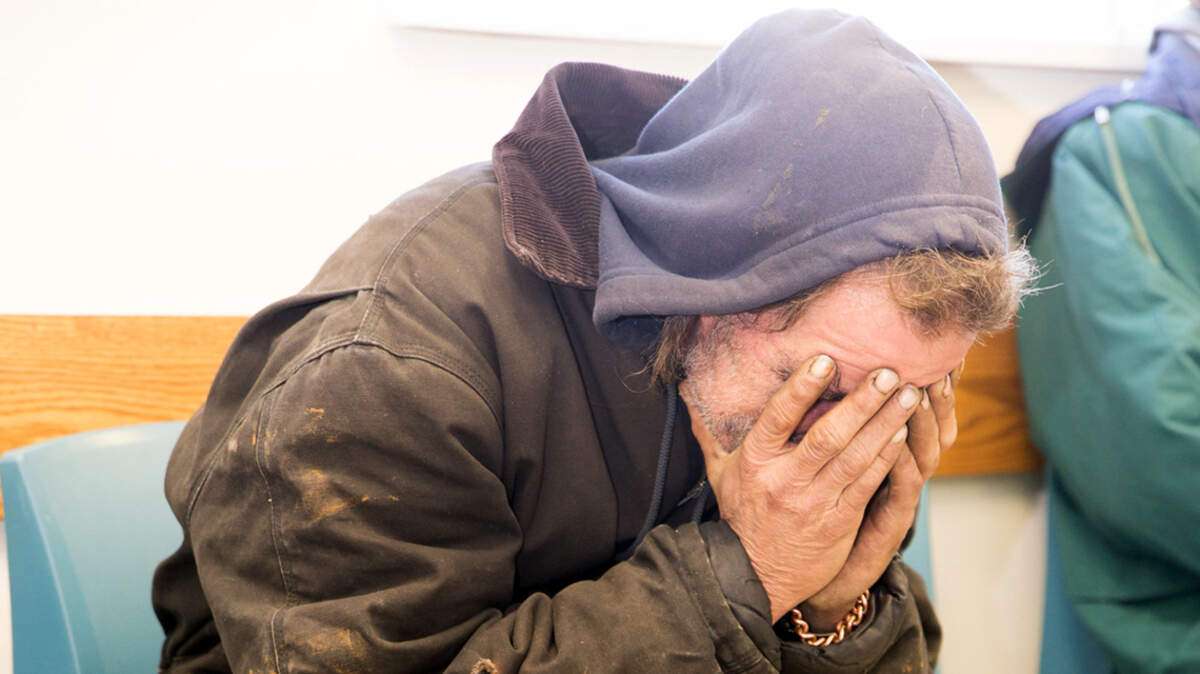
It isn’t safe to live on the street.
Not a matter of debate. It is clearly dangerous and often deadly.
Missouri’s new law against camping on public property is having an impact on homeless encampments. But unfortunately, it means people who were visibly homeless in parks and highway rights-of-way are now moving where they aren’t readily seen. That often means they go to private property off the beaten path. Owners who discover homeless encampments on their property may have to use civil court eviction to remove them. And that is time-consuming and expensive.
Let’s not glamorize it: Homeless encampments aren’t anything like going on a campout. There is no sanitation. No medical or mental health care. No rules. Drug and alcohol use is rampant. Violence is frequent. There have been at least two murders in homeless camps in our area this year, and untold cases of suicide, accidental death or drug overdoses. It isn’t idyllic or noble. It is slow-motion suicide.
What do we do? As a community, how can Kansas City stand by and allow this to continue?
The national government’s current policy is based an effort to get everyone on the street into free housing, no questions asked, no stipulations or requirements. A free home forever. Funded by government. If you are homeless, you get a home.
What could go wrong?
If you have been recently evicted, are escaping a violent relationship or have lost a job and just need a place to stay while you regroup, it could be the right answer. But there is already a problem with landlords being reluctant to fill government housing vouchers. It’s obvious that those in the throes of addiction or untreated mental health issues make bad tenants.
Most of those on the streets have long-term problems. A 2019 study found some stunning statistics from surveys of homeless people in 15 states.
Some 84% of unsheltered homeless had physical health problems, 78% had mental health conditions, 75% had substance abuse conditions and 50% experienced all three of these tough situations.
The longer someone was homeless, the worse those conditions became.
Will these long-standing personal stumbling blocks just magically go away once a person is in permanent housing? Of course not. Free permanent housing offers no incentive to change — and change is the first step to recovery. The solution is “right beds” — mental health and drug and alcohol recovery treatment facilities, not just space.
At Shelter KC, our success at helping homeless people recover and restore their lives is based on people accepting that they must change. We then create a clear plan with measurable goals. We offer each person a tremendous amount of help to reach those milestones. Everyone receives counseling, assistance, education and spiritual guidance — along with a place to stay, food, clothing and a safe place to rest.
It is successful. Men and women recover, restore their lives, rebuild relationships and move on to self-sufficiency.
How then to proceed? You can’t coerce those in camps to leave them and utilize the help available to turn their lives around. But as a society, we can be more assertive and more committed to engagement designed around getting folks into service rather than making homelessness comfortable.
We can stop the misplaced compassion that encourages people to live the “homeless lifestyle,” to give up hope and surrender to debilitating despondency.
Kansas City’s homeless policy says it’s not safe to live on the streets. We all know this is true. But making homeless people permanent wards of the state isn’t the right answer. For many, the proactive Shelter KC approach is the road to recovery and renewal.