
Our Kansas City safe haven gets homeless veterans off the street. We owe them more | Opinion
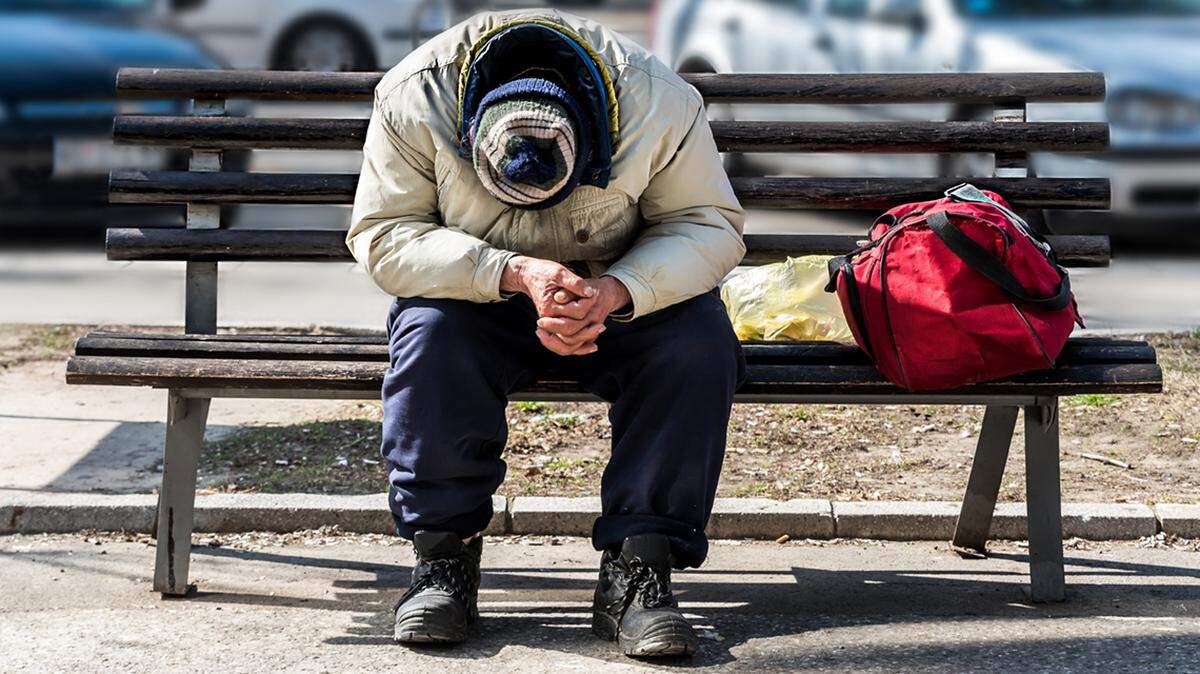
Twenty-four years ago, the United States Congress designated May as National Military Appreciation Month. The Senate requested “that the president issue a proclamation calling upon the people of the United States to recognize and honor the dedication and commitment of the members of the United States Armed Forces and to observe the month with appropriate ceremonies and activities.”
If you attend a sporting event such as a baseball game, you’re likely to witness an “appropriate ceremony.” While ceremonies recognize active and retired military members, those without the means to attend and receive due recognition are left out. On a single night in 2022, more than 33,000 veterans were homeless, according to the Department of Veterans Affairs. That’s almost enough homeless veterans to fill Kauffman Stadium. Look around and think about that the next time you go to a Royals game.
Millions of our veterans must cope with painful memories from their days of active military service. Unhoused living, substance use, mental health disorders and suicide are symptoms of their trauma. Veterans turn to drugs to self-medicate. Drug use leads to bad decision-making, which leads to financial and emotional instability, which often leads to homelessness. Statistics indicate veterans make up 8% of our nation’s homeless population. In 2020, an average of almost 17 American veterans committed suicide every day.
The Substance Abuse and Mental Health Services Administration reported that more than 5 million veterans experienced a behavioral health condition in 2020, and more than half of those did not receive treatment within the past year. Even worse, more than 90% of veterans with a substance use disorder have not received treatment.
Active-duty personnel who abuse substances are often dishonorably discharged, thus ineligible for veteran benefits, making it impossible for them to receive counseling and treatment from the VA. When the root cause of substance use is trauma from the veteran’s time in the military, the systemic blockade of benefits adds insult to injury, or trauma in this case.
Those who are eligible face a complicated patchwork of government, private and nonprofit providers and a repetitive assessment process that forces already traumatized veterans to explain themselves and relive painful experiences over and over again. The entities that could collaborate and provide integrated solutions for veterans are at odds with one another. There is room for every provider to help the overabundant population of veterans in need. So, why aren’t we?
Major League Baseball recently changed its rules, creating a more streamlined game-watching experience for fans and better outcomes for players. It’s time to change our rules on veterans, too. Today’s judgmental and punitive approach to substance use doesn’t improve the veteran’s experience, and it strains our courts and prisons.
A harm-reduction approach can save veterans’ lives and save costs as well. Harm reduction focuses on keeping an at-risk veteran safe, housed and as healthy as possible while in treatment to address the root causes. People can’t change negative behaviors until they first feel safe, comfortable and free to talk about their trauma. A mere two months at a safe haven residential program can make huge strides in a veteran finding stability and potentially changing his or her circumstances, and the cost of this approach is a small fraction of short-term hospitalization.
Here in Kansas City, a safe haven for veterans exists, and it has reduced strains on local health care and criminal justice systems. Hundreds of veterans have become housed, employed and healthy.
No single resource can solve a veteran’s every problem. Our country needs more players to pitch in and work together as a team.