
Arguments over a Black woman as ‘The Little Mermaid’ aren’t about realism, just racism | Opinion
At the age of 10, I wrote to Walt Disney Studios about the need for more diversity and representation in their princesses. The only Black princess at the time — Tiana in “The Princess and the Frog” — was a frog for the majority of the movie and didn’t look anything like me. It took Disney six months to respond, saying they couldn’t accept ideas from outside the company.
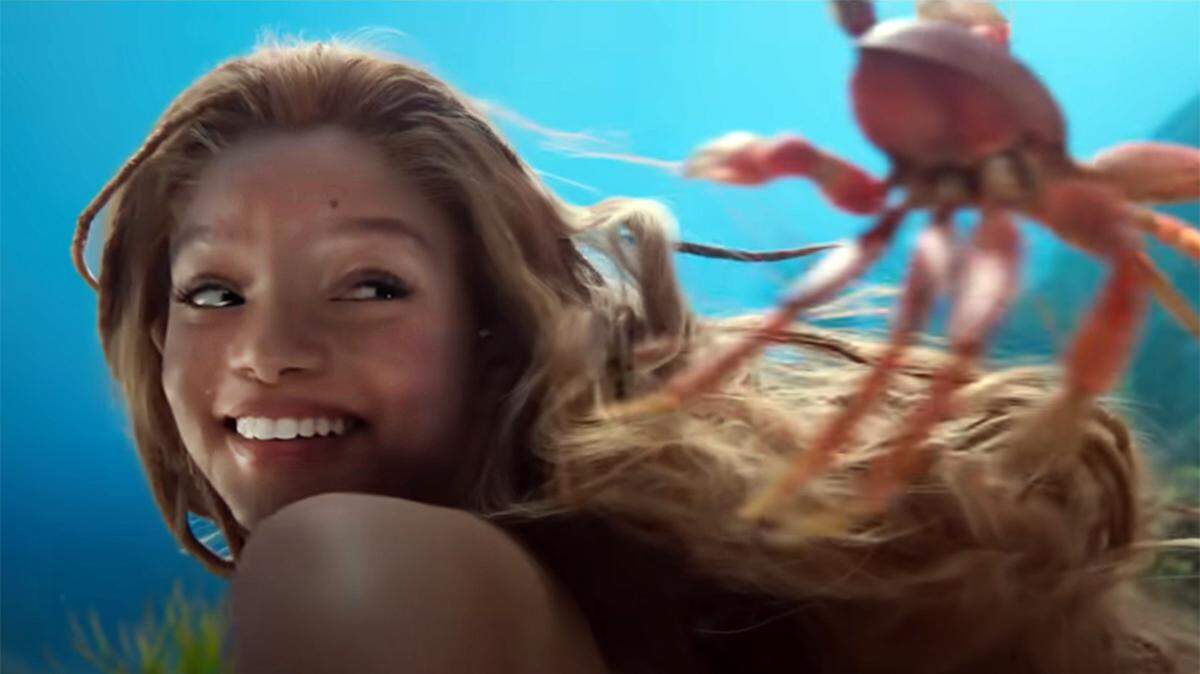
Now, I’m 17 and surrounded by controversy flooding social media over the upcoming live-action remake of “The Little Mermaid.” The production’s official trailer was first shown on Sept. 9 at Disney’s D23 Expo 2022, sending a tsunami of shock around the globe with the revelation that the mermaid Ariel, who was depicted as a white redhead in the 1989 animated movie, is now played by Halle Bailey, a Black woman. The amount of racism that ensued since this announcement has made me realize the U.S. and the world haven’t come as far as I’d hoped.
As a biracial (half Black, half white) American, I don’t fit into either camp when it comes to the “Little Mermaid” debate. Halle looks like me, but she’s Black. I could chime in with some of my own rhetoric about how Disney shouldn’t cast a fully Black person to play a character who is biracial. You see where I’m going with this, right? It’s a slow whirlpool that will suck everyone under.
Disney’s 1997 live-action “Cinderella” featured not only a Black woman playing the title character, but also a Filipino -American Prince Charming. According to pop culture website Diply, this movie “broke barriers and was iconic.” So why are people upset about the race of a fish?
The biggest argument I’ve seen from anti-Halle detractors is that the movie is historically inaccurate, since it has an interracial love trope. My response: Is a mermaid-human love story historically accurate? Is this something that even exists outside fictional lore? Although the plot takes place before 1967 — the year interracial marriage was legalized in the U.S. — there isn’t much in this story that could possibly exist in the real world.
What people like about fairy tales is that they allow for an escape, a chance to dream — and representation matters. Seeing someone in a fairy tale who looks like you matters. It speaks to the very essence of being accepted: by society, Prince Charming and yourself.
In the age of social media, we’ve become too attached to nonsensical slander and ideas. When I scroll through TikTok, I see more videos about “The Little Mermaid” than awareness about the mass shootings or racially-motivated murders happening across America.
I hope when the movie is released on May 26, theaters will be filled with people ready to experience a new take on Disney’s classic story — not people who prefer to spend time calling it “The Lil’ Mermaid” or “The Little Slave.”