
Kansas politician swears police evasion law ‘not about race.’ It can’t be that simple | Opinion
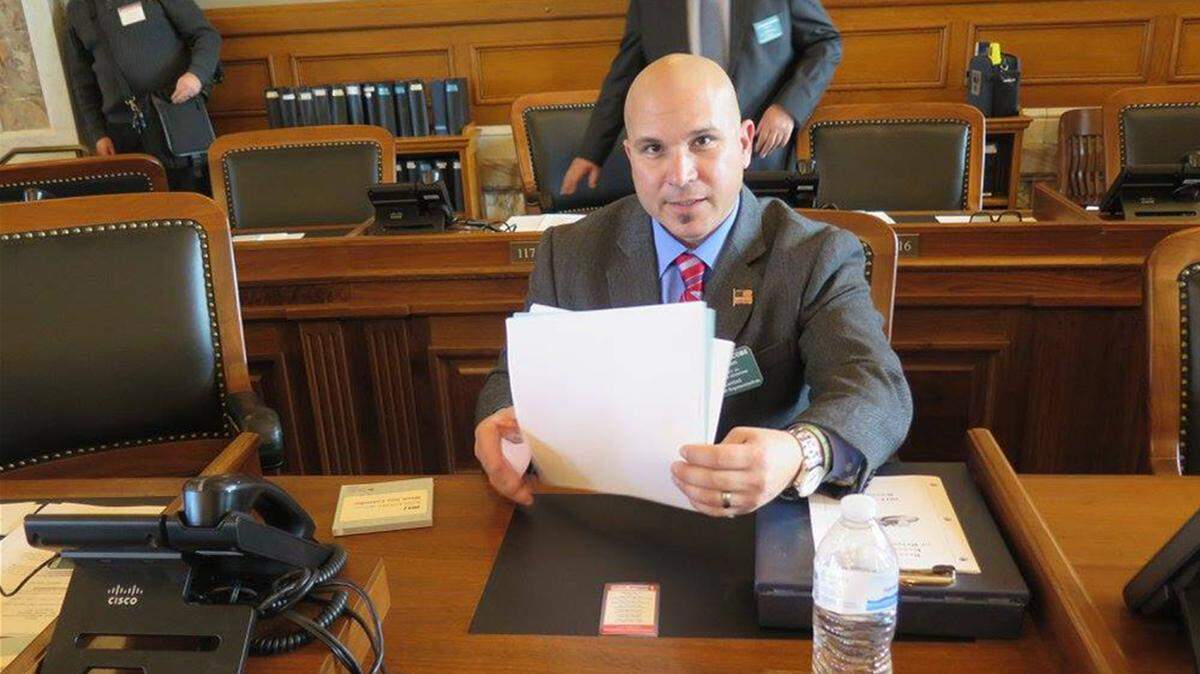
Here’s the thing: I want to believe Trevor Jacobs.
Jacobs, a Republican member of the Kansas House, last week helped end this year’s legislative session with an interesting assertion: Racism isn’t a factor in the Kansas Legislature’s policymaking.
“It’s not about race or racism here,” Jacobs said, in remarks reported by the Kansas Reflector. “And if it is, I believe that this body is more compassionate and loving to not embrace that.”
Wouldn’t it be pretty if it were so?
Let’s step back and provide some context. Jacobs’ comments came during debate on a bill that does one unambiguously good thing: It finally legalizes the use of fentanyl test strips, which had previously been treated as prosecutable drug paraphernalia. One hopes the new legislation means more Kansans will be able to protect themselves against drug overdose deaths.
But the bill also includes harsher penalties for fleeing law enforcement officers, provisions that critics said will disproportionately burden Black men who are often leery of interacting with police for fear of their lives.
After all the videos we’ve seen in recent years of police shootings across America that killed or badly injured young men — often unarmed, all too often Black — that concern should be at least a bit understandable, right?
“That fear is warranted,” said state Rep. Ford Carr, a Wichita Democrat.
Jacobs didn’t agree. “Pretty near every single bill that we do up here involves race or bigotry or whatever else,” Jacobs said. “I’m getting tired of being accused for that, for something I have not done and do not do and will not do. There’s no race in this. None. We’ve got to stop making it such a political ploy.”
Now: I don’t know Jacobs. And I certainly don’t know his innermost thoughts and feelings. But I suspect he really believes what he’s saying. I’ve known any number of folks who don’t seem to think about — or intentionally practice — racism all that much, except to get irritated if they think they are being accused of it.
Still, I found Jacobs’ remarks especially notable because of where he’s from: Fort Scott, the home of Gordon Parks.
Parks — I hope you know this — was a Black man who grew up in Fort Scott and went on to become one of our most accomplished artists: A photographer, movie director and novelist who documented the role of race and racism in American life.
And Parks first experienced racism in Fort Scott.
“There were segregated schools and warnings to avoid white neighborhoods after dark,” he wrote in his memoir. “We weren’t allowed to drink a soda in the drugstore in town.” Racial slurs were common.
That was a century ago, and most of us can agree that America’s racial landscape has improved since then. Fort Scott has certainly changed: It’s now home to a museum that celebrates Parks’ life and work.
But it’s naive and absurdly utopian at best to suggest — as Jacobs seemed to — that in 2023 race has no bearing on our policing or politics, or in Kansas lawmaking.
Look around. Studies demonstrate that Black people are more likely than their white peers to be shot during police encounters. Tucker Carlson was just fired from Fox News after his racist texts were uncovered during a lawsuit against the network. Front-running GOP presidential nominee Donald Trump recently had dinner with a noted white supremacist.
This is the culture that we live in, the toxic air that we still breathe. It’s difficult for anybody to remain entirely untainted.
“I would be a bitter fool to believe that there isn’t someone in here or some people within this body where race is an issue,” Carr said last week in the Kansas House.
Exactly.
We can’t always say with certainty that specific bills or legislators are intentionally racist. But we do know the Kansas Legislature is not hermetically sealed off from the rest of American life. We should all desperately want Jacobs to be right, for race to play no role in our state’s lawmaking.
Reality suggests otherwise.