
Education is the best chance for Missouri women in prison to rebuild productive lives | Opinion
A neglected, often forgotten Missouri community is striving to better itself. These people are desperate to learn, grow, and create better opportunities for themselves. Incarcerated women are asking for a second chance. And we know how to give it to them.
In one word, the solution is education. Education provides incarcerated women with a way to make meaningful contributions to their communities. In fact, April is National Second Chance Month, and I want to humbly ask that we take a moment to focus on what and how we can provide incarcerated women a fighting chance to succeed when they leave a correctional facility and reenter our society.
Here in Missouri, 86% of incarcerated women will be released and eventually return home. If we want them to come back to our communities as a different — and thriving — version of themselves, we need to provide them with opportunities to grow. That means education. Many of these women did not have supportive households or nurturing environments growing up. Education was often not encouraged or supported, and drugs or violence was the norm. These conditions can devastate young people’s self-worth and self-esteem, leading them down a destructive path. That’s how many of them ended up incarcerated to begin with.
I know this directly from my experience working with these women for more than 15 years. Beginning in 2006, I got a job at Chillicothe Correctional Center in north-central Missouri teaching incarcerated women life skills they never had the opportunity to learn growing up. These skills made them more employable and better, more productive citizens. Then I moved up to GED teaching and eventually became an education supervisor. In 2019, a former teacher of mine from Ashland University near Jefferson City reached out to tell me he had the perfect role for me: working with incarcerated students one-on-one to help them get their college degree while incarcerated.
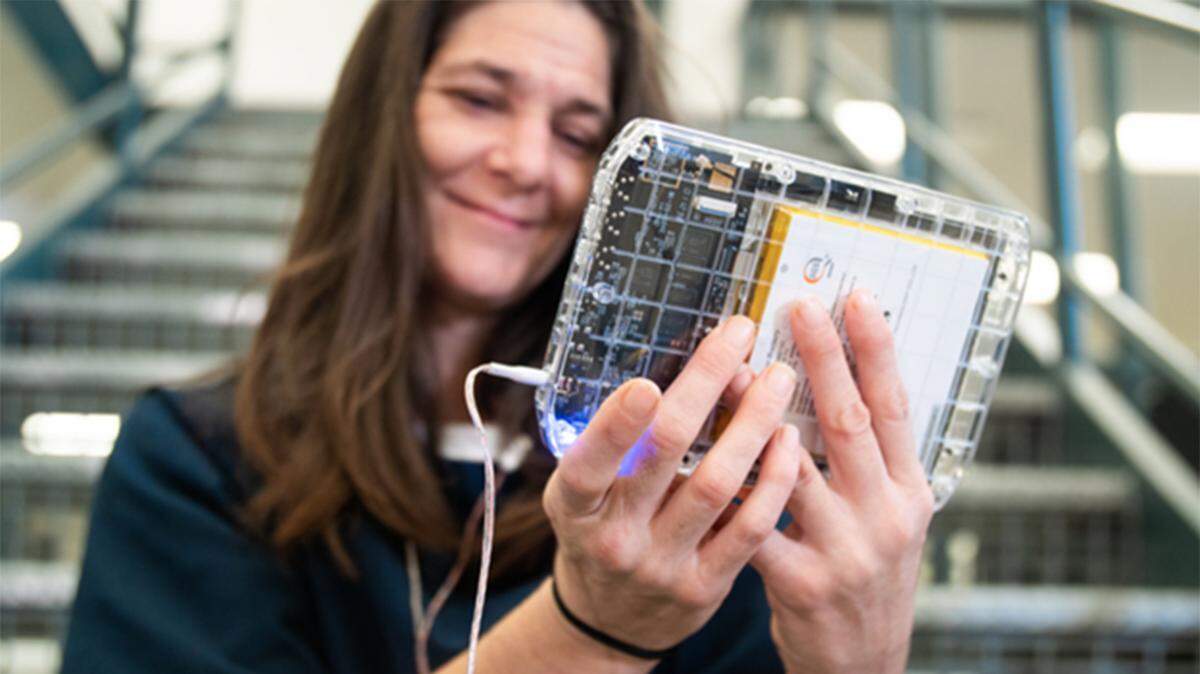
Since 2020, I’ve been at Chillicothe Correctional Center helping more than 400 women get a college education through the Lantern program. Using tablets provided by prison communications company Securus Technologies, Lantern is the largest digital education program for the incarcerated in the United States. More than 200 unique college courses are offered, and students can earn an associate’s degree or even attain their bachelor’s degree. I’ve personally seen how this unique program provides disadvantaged women with a second chance, merely by offering something most of us take for granted: an education.
When I heard the Securus tablets were coming to Chillicothe in 2019, I immediately knew the lives of these women were about to change for the better. The tablets, and the resources available on them, were the key to unlocking their potential. The program faced some initial skepticism, but the results ultimately spoke for themselves. It has opened doors for these women that were not open before: more ideas, more job opportunities and simply more alternatives for better choices.
Digital tablets teach life lessons, create community
If society expects the incarcerated to fully reintegrate into their communities after release, these people must have access to an education. With access to digital education on tablets, they have expanded employment leads so they can receive a salary and afford to pay for better housing — two critical elements that can be addressed by providing an education. Today, this program is giving 86 women what they need to do things differently. To start over. To do better. That’s what education provides them.
Through Securus’ Lantern program, I’ve seen these women forge remarkable bonds and support systems among one another. As they immerse themselves in their studies and endeavor to remake themselves, they become a united cohort with a common goal. This community carries each other, holds one another accountable and allows the women to endure the unique challenges presented by working on an education in a correctional facility. Over time, they begin to refer to themselves as a group, becoming a “we” instead of an “I.”
What’s truly noteworthy is that most participants in this program are simultaneously holding down jobs and maintaining their role as mother or matriarch of their families. The compounding challenges they face are daunting. Yet, they undertake this effort to improve themselves and emerge on the other side stronger and better equipped to support their families.
Without education as the bulwark against old habits, their sense of community can devolve to toxic influences. An education can provide the power to reject dangerous influences, so these women can evolve and be a part of a healthier community.
By fostering this sense of growth through education, we’re setting these women up to succeed when they leave a facility. They’re rejoining our community as our neighbors, coworkers, family members and friends. When they’re released, they’re going to be living next door and their kids are going to go to school with our kids.
I, for one, would love to see more of these women empowered to reach their potential by having acquired an education when they join our communities. But the only way that can happen is by providing them with a second chance. At the very least, they’ve earned that.