
The future is challenging for health care providers. Here’s how UMKC is preparing them | Opinion
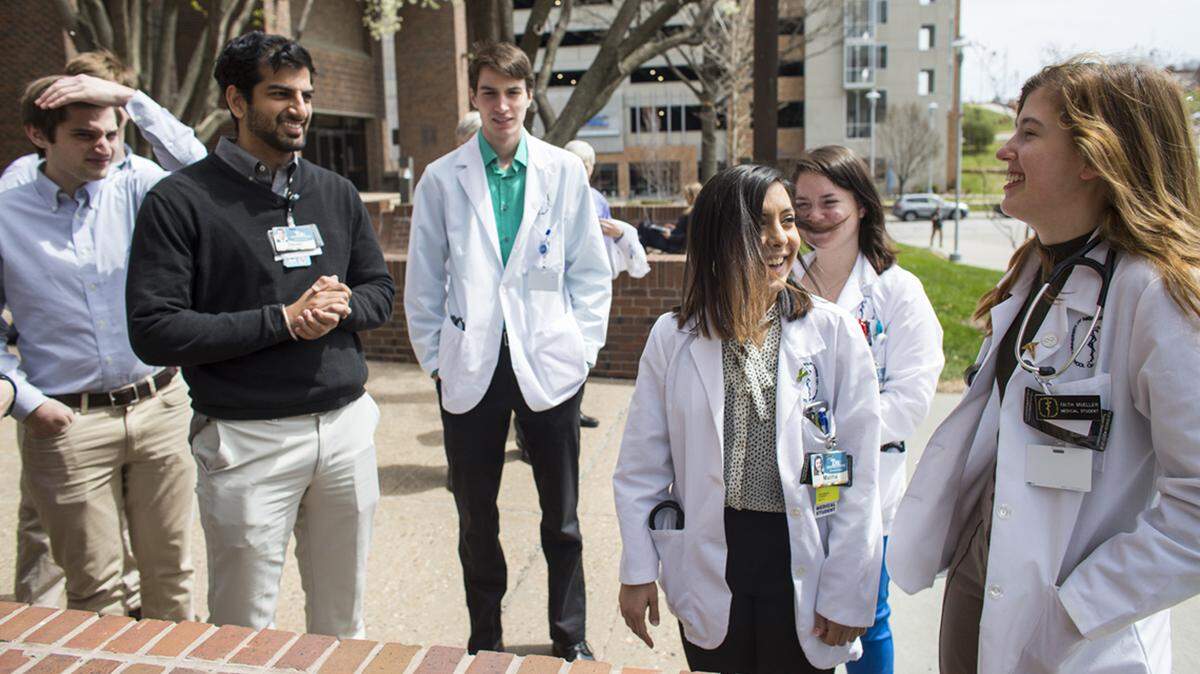
Health care will undergo fundamental changes over the coming decades. Medical schools need to prepare future physicians for this new reality. Maintaining — and growing — a strong medical school faculty is essential to that mission.
As the Association of American Medical Colleges convenes a regional conference here in Kansas City this month, it is important for the general public to understand the situation we face.
The oncoming challenges include a sharp increase in demand for care, particularly among those age 80 years and older — a population that will triple in the next 30 years. Innovation will be central to the success of medical schools because as costs increase, the number of uninsured patients increase and health care providers’ salaries plateau. We need dedicated medical experts who can innovate in education and research, and can inspire, teach and model innovation.
We also need to boost efforts to recruit faculty from the ranks of underrepresented physicians and scientists. Studies indicate that faculty who represent a wide range of backgrounds play a key role in recruiting students and attracting research that is key to addressing long-standing health disparities.
The University of Missouri-Kansas City School of Medicine is rising to meet the challenge. We have two paths to medical school and students reside on two different campuses. To meet the demand, we recruit students into our very competitive B.A./M.D. combined accelerated program, which students enter out of high school and complete in six years. We also have a traditional four-year M.C. program with students on the Hospital Hill campus and at our rural campus in St. Joseph. To grow our graduating classes, we are completing fundraising for the new Healthcare Innovation and Delivery Building in the UMKC Health Sciences District, which will allow us to expand School of Medicine simulation medicine opportunities in Kansas City as we increase our enrollment. We are also building a new facility at our St. Joseph campus, in an area where the physician shortage is even more dire as we work to improve care for rural residents of our state.
Educating more doctors alone, however, will not be enough to meet the challenge. Attracting and retaining excellent medical faculty is key to the future of health care. Unfortunately, this pressing need comes at a time when fallout from the COVID-19 pandemic has resulted in higher rates of burnout, job dissatisfaction and job-related stress among medical professionals.
A major study concluded that being treated with respect and working in a supportive environment are key drivers of health care worker satisfaction. Faculty members’ success and happiness hinges on feeling valued, finding mentors and allies and finding leadership roles that align with their passion.
Promotion plays a key role in helping deserving medical workers feel they are valued and have opportunities for professional growth. However, we continue to see fewer women and nonwhite faculty moving to full professor rank and leadership roles.
A 2021 study found that those participating in faculty development programs increase their understanding of the promotions process, develop more comfort with negotiations and improve their time management. Those who complete such programs are more likely to be promoted and have better retention rates. At the UMKC School of Medicine, faculty identify their strengths and gaps; find mentorship, sponsorship and allies; and develop a clear understanding of the promotion process through our Faculty Scholars professional development program.
For students and colleagues, we need to provide more positive feedback and validation, ensure access to leadership development, model work-life balance and provide physician mentors. And we need to be straightforward about the barriers we all continue to see and navigate. By doing so, our talented students and faculty can advance the care of patients, add to our knowledge base, and launch the next iteration of research discovery as they excel and energize those around them.