
Urban farmers help feed Kansas City. The 2023 Farm Bill needs to keep them growing | Opinion
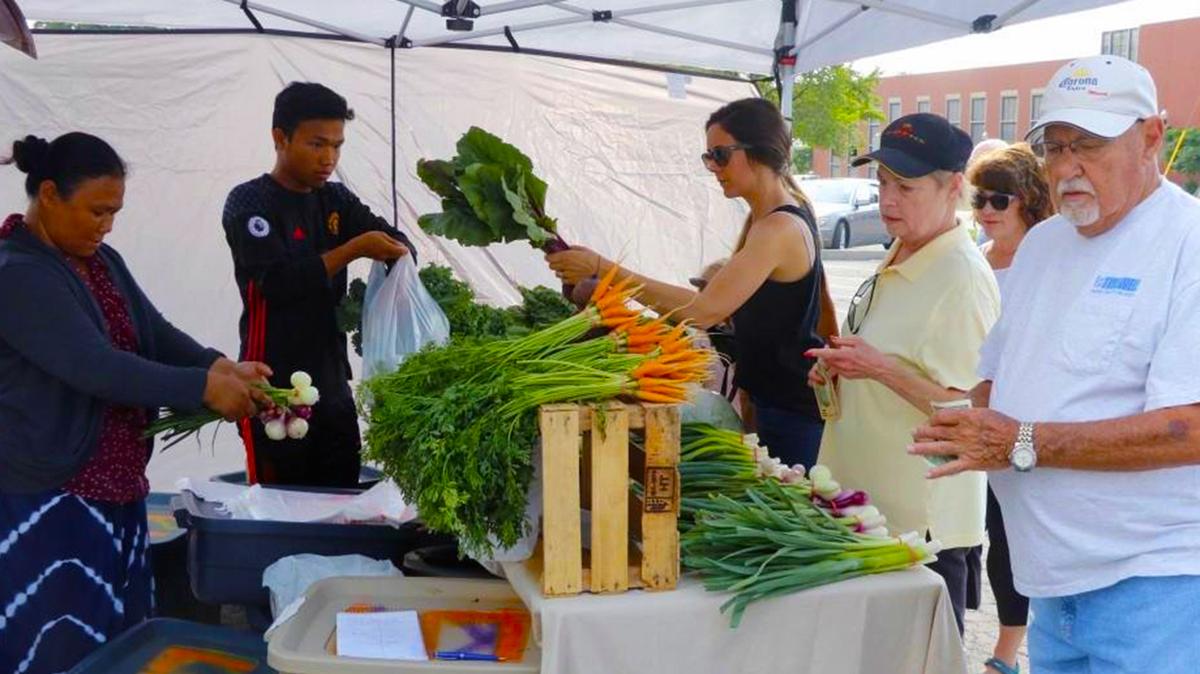
The 2023 Farm Bill will be the preeminent determinant of U.S. land policy over the next decade, and we will feel it right here in Missouri’s urban farms. It will set the stage for how our communities access, use and retain the lands we are rooted in, impacting their economic vitality and ecological diversity.
Land access uplifts historically marginalized communities and working class young farmers. In Jackson County, irrigated cropland increased as much as 53% in 2022, pricing the next generation of farmers out of ownership. Corporate land consolidation and urban sprawl have been detrimental to rural agriculture. They have forced many young farmers to become land tenants and catalyzed a boom in urban agriculture, transforming much of what was rural into urban agriculture. Meanwhile, rural America is losing more than 2,000 acres per day to so-called “development.”
Municipal and county ordinances are crafted without adequate input from farmers, and people of the Kansas City metropolitan area have made it clear over the last decade that they need, want and appreciate neighborhood gardens and farms — and we see that manifested in the wildflowers and vegetables of our community gardens.
When the coronavirus pandemic made society confront systemic failures in our food distribution wrought by the policies of exclusion, we discovered that municipalities could lift or ignore entirely formerly implacable ordinances that were obstacles to those growing spaces. We must continue making it easier for people to grow crops, remaking an equitable system prepared for crises, not in response to them.
Young Farmers’ One Million Acres for the Future Campaign is calling on Congress to make an historic investment of $2.5 billion in equitable access to land in the 2023 Farm Bill. This investment could make 1 million acres of land accessible to a diverse new generation of farmers, and prevent it from being lost to suburban sprawl and land speculation. Policies implemented through the new farm bill could protect valuable agricultural land and ensure access is equitable to the new generation.
I encourage lawmakers and municipal councils to see the upcoming farm bill as an opportunity to make historic investments:
▪ Expand the Department of Agriculture’s Office of Urban Agriculture and Innovative Production.
▪ Double the number of Farm Service Agency county committees for urban agriculture (notably, one should be established in the Kansas City area).
▪ Double the number of USDA-designated People’s Gardens.
▪ Conduct a thorough USDA study of improving the accessibility of government resources to marginalized and historically disenfranchised populations, and study how people want to farm.
▪ Diversify representation in FSA loan offices.
▪ Reduce the capital required by farmers applying to the USDA Value Added Producer Grant program to 10% or less of the amount requested, and increase funding for the program.
▪ Incentivize retention of agricultural lands among farmers with tax abatements on the transfer of property to farmers, particularly farmers of color.
▪ Incentivize protecting wetlands, watersheds and native ecosystems.
▪ Make USDA loans and municipal land banks accessible to farm collectives, as this is popular among new farmers.
▪ Form Kansas City area committees on urban agriculture, with members of the urban farming community and city council liaisons to facilitate the growth and development of farms and gardens.
I implore Rep. Sharice Davids, who sits on the House Agriculture Committee, as well as Rep. Emanuel Cleaver and Sens. Roger Marshall, Jerry Moran, Josh Hawley and Eric Schmitt, to pass a 2023 Farm Bill that makes this historic investment in equitable land access. We must actively remove the roadblocks that keep young farmers off the land, and work together to get individuals with the will and skill sets on farmland for the long term.
This is a pivotal moment to make investments in the individuals, environment and local economies that will steward agricultural land and grow food for our communities into the future. We can not push these issues back another five years, lest we lose a generation to recover. The clock is ticking on a myriad of cascading collapses: environmental, social and economic, riparian. We have the tools to mitigate them. The time is now to rectify the mistakes of previous generations. Now is the time to make land and resource access equitable.
Farming is a rough lifestyle shouldered by less than 2% of the U.S. population. We need a farm bill that addresses farmers’ greatest needs.