
Shawnee Tribe should guide the future of Indian Mission. Let us tell our own story | Opinion
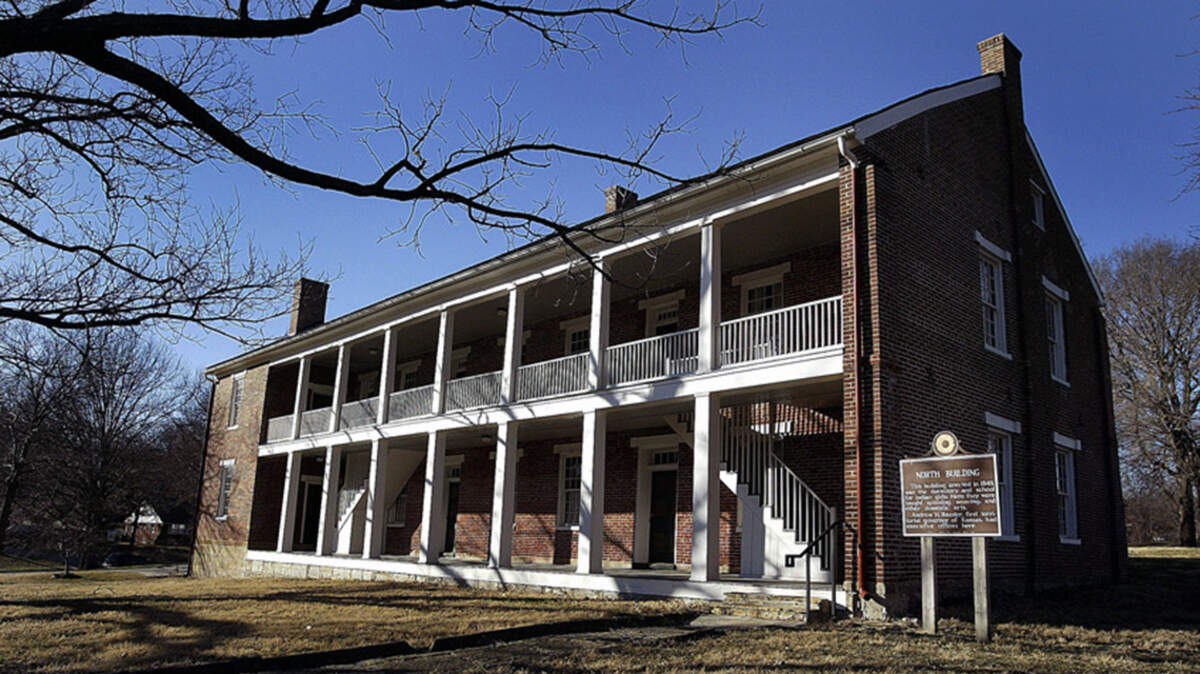
One of the concerns dear to my heart as the United Methodist bishop for Kansas and Nebraska includes educating people of the difficult history of boarding schools in the United States once used to house, educate and, in many ways, indenture the servitude of Native American children.
In my service on the missions board for our denomination, I have studied the role of these Native boarding schools in holding down tribal people and robbing us of our culture — from taking our language, to imposing religion, to making us act like everyone else. These injustices still have long-lasting effects on indigenous people in this country today.
It has been my honor since Jan. 1 to serve what we call the Great Plains Conference, which encompasses more than 950 churches in our two states, with approximately 120,000 of our members living in Kansas. As a member of the Choctaw Nation of Oklahoma who also is Cherokee, I am deeply humbled to have the distinction of being the first Native American elected to episcopal office in the history of our denomination.
I recognize that with that honor comes much responsibility. Native American United Methodists have longed for this representation for decades. Unfortunately, there are many in our society today who think people like me are relics and are present mostly for song and dance. We are so much more. The United States has 572 tribes, nations and villages within its boundaries, each with its own language, history and culture. It is my prayer that my service as bishop for this area will help many to see our diversity and the benefits for all to be gained by our presence.
At least one of these boarding schools for Native children was in Fairway, and it had Methodist connections — the Shawnee Indian Mission. The conditions there likely were not much different from similar facilities around the country. Children were assimilated into white society, stripped of their traditional clothing, forced to cut their hair and alienated from their families. Many were kept in unsanitary conditions, were not clothed properly and often were malnourished.
More modern schools such as Haskell Indian Nations University in Lawrence and the now-closed Chilocco Indian School in northern Oklahoma provided education and trades for Native students. Both these schools maintain healthy alumni groups. Their students gained an education, and many were introduced to the love and grace of Jesus Christ. But those benefits do not exonerate those who operated and supported the harsh boarding schools of the past, which often forced children to do hard labor as part of their room and board and inflicted harsh corporal punishment for those who did not oblige.
The historic property in Fairway has been a point of dispute the past few years, and recent weeks have seen new developments. The Kansas Historical Society is conducting a ground-penetrating radar study to determine whether there are unmarked graves of Native American children on that site, making that ground a sacred space. Yet, as The Star has reported, Fairway city officials have argued against the Shawnee Tribe’s efforts to take over operations, voicing concerns that the tribe would attempt to turn the property into an economic development project.
A bill could be introduced in the 2023 Kansas legislative session that would shift ownership to the Shawnee Tribe. Previous ownership efforts clearly have not succeeded in maintaining the property and, thus, preserving a museum to tell the story of what happened there from an indigenous perspective.
It would seem to be in the best interest of the property and of preservation of this structure’s past to place it in the hands of the Shawnee Tribe so the story of what happened there will not fade into history, as have so many of our native people’s customs, languages and cultures.