
To fight homelessness in the Kansas City region, talk to the people behind the numbers
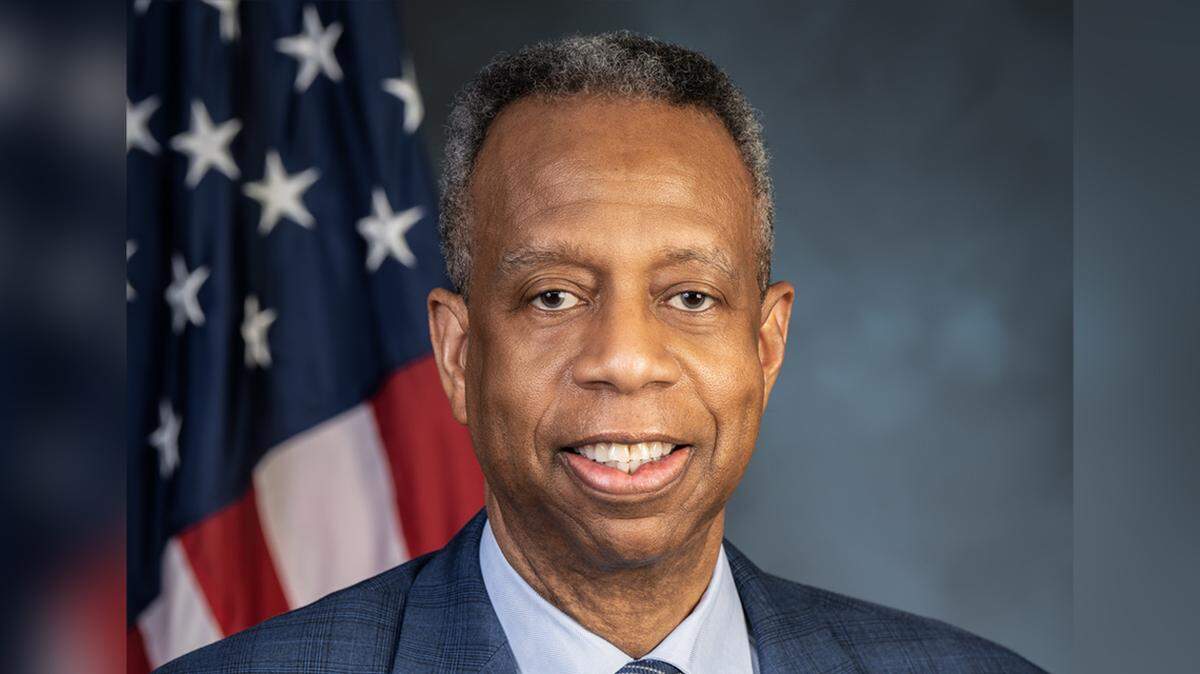
I am personally committed to ending homelessness and shedding light on its destructive legacy. And I am doing my part to make visible those forced to live in the shadows for too long.
One way that I and many others can help, is by participating in the United States Department of Housing and Urban Development’s Point-in-Time count. This count is held in January each year, when volunteers come together to interview people experiencing homelessness in their communities.
Beyond my personal resolve, HUD as an agency is significantly vested in the pursuit to end homelessness across the nation. In fact, just over a year ago, HUD Secretary Marcia Fudge, along with the United States Interagency Council on Homelessness, launched the House America initiative. This initiative’s aim is to build 20,000 new units of affordable housing and re-house 100,000 people experiencing homelessness by this Dec. 31. While this is a bold goal, it is one that HUD, USICH and their local and state partners are well on their way to accomplishing.
There is a common but mistaken view that homelessness is simply the result of individuals’ bad choices. But the data shows, and the powerful testimony of people with the lived experience of homelessness confirms, that homelessness happens when housing markets are so tight that people cannot stay in their homes or secure a new home when they need to. Inadequate social safety nets and difficulty accessing social services compound the problem. With the right services and supports — including stable housing — people can and do leave homelessness behind and secure better futures for themselves and their families.
We also know that the issue of homelessness cannot be easily solved and requires vigilance. According to the 2022 Annual Homeless Assessment Report to Congress, the scope of the homeless issue across our region — including Iowa, Kansas, Missouri and Nebraska — is reflected in the following:
▪ There are 9404 individuals unhoused.
▪ There are 3650 people with children unhoused.
▪ There are 837 unaccompanied children unhoused
▪ There are 980 veterans unhoused.
▪ There are 2525 people facing the prospect of being chronically unhoused.
▪ Of those experiencing homelessness, 22.4% were unsheltered while 77.6% were sheltered.
Progress has been made, of course. Recent federal data show that veteran homelessness nationwide has fallen 11% from its 2020 level, down 55% since 2010. Also, alongside House America, HUD has worked with public housing authorities and homeless coordinated entry groups nationwide to deploy $5 billion in emergency housing vouchers to help re-house or preserve housing for those experiencing or that may face the prospect of becoming homeless.
To date, more than 35,000 households have benefited from this investment. But the mission continues. Finding, counting and assisting those experiencing homelessness with immediate low-barrier housing aid and supportive services is necessary to counter the recent trend of criminalizing homelessness.
That’s why the federal government recently released a federal plan for ending homelessness in America that starts with the ambitious goal of reducing homelessness 25% by 2025. Called All In: The Federal Strategic Plan to Prevent and End Homelessness, this plan builds on the success of previous plans, and will go further to systemically prevent homelessness and combat the systemic racism that has created racial and ethnic disparities in homelessness. All In was built from the ground up and shaped by public input from more than 500 people who have experienced homelessness, as well as from leaders, providers, advocates, developers and other partners from more than 600 communities, tribes, and territories.
Homelessness is deadly, but preventable. That prevention starts with us getting out and having a conversation with our neighbors on one night in January. Please join me if you can.