
I was a Kansas doctor for 20 years. Abortion can be complex, but it’s always personal
Twenty years as a family doctor in Johnson County gave me a close-up view of the abortion discussion as it grew more and more intense.
I learned firsthand that an unexpected pregnancy is a shock. Even worse is unexpected bad news during a much-wanted pregnancy.
One of my patients faced both challenges. As soon as she knew that she was pregnant, she decided to place her child for adoption. Two weeks before her due date, she realized that the baby wasn’t moving. Her baby’s heart had suddenly stopped beating. Her baby had died.
She chose to induce labor that evening, delivering a perfect-looking baby boy who would never know life. Technically, I had performed an abortion.
Later that year, another young woman gave birth to a healthy baby boy she planned to keep. Her grandmother, her only support, asked me privately why the system had made it so hard for the new mom to have the abortion she really wanted. I had no answer.
That new mom was 11 years old. She wasn’t mature enough to choose adoption or abortion. But she was suddenly a mother.
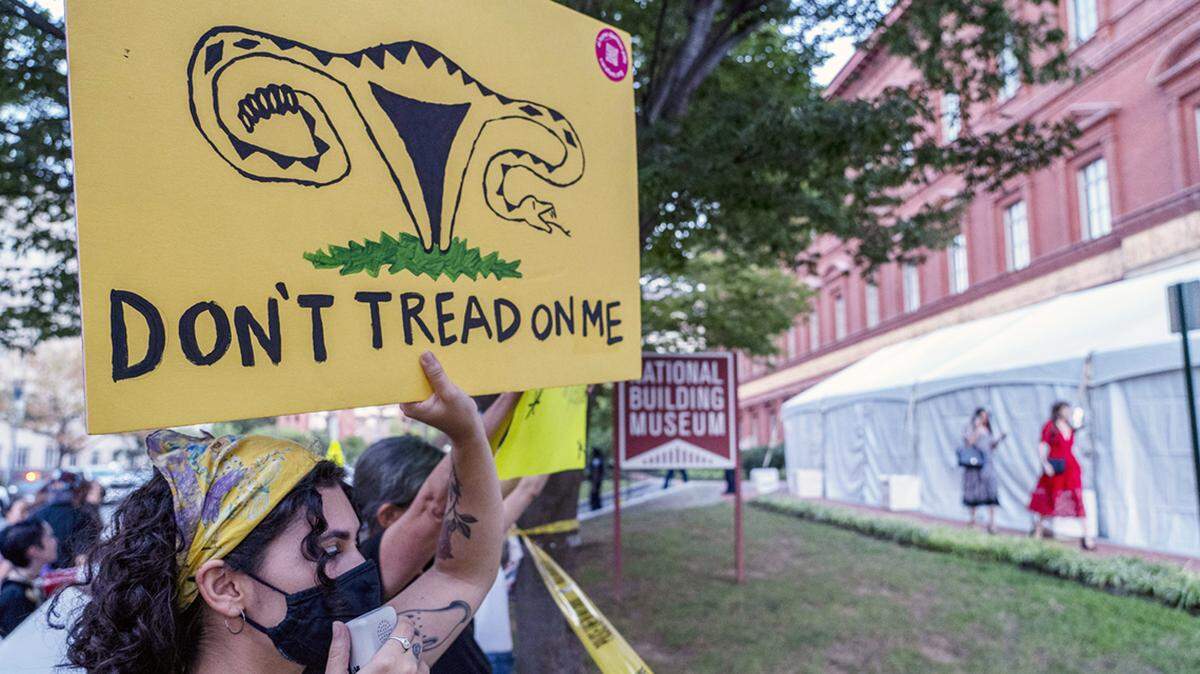
The Supreme Court’s Dobbs ruling in June suddenly limited women’s options.
A record number of Kansans went to the polls six weeks later to preserve reproductive freedom. They voted overwhelmingly to maintain choice for the people of Kansas. Voters in the 3rd District spoke out by a 2-1 margin in favor of choice.
National support for access to abortion reached an all-time high across demographic lines in July of this year according to a Pew Research Poll.
Since the Dobbs decision, Republican political candidates have raced to distance themselves from their earlier opposition to abortion access. Even candidates who had called for total abortion bans without exception have scrubbed those statements from their campaign literature. They now promise to oppose any nationwide ban, even if their records suggest otherwise.
At the same time, Republicans in Congress have introduced a federal bill to restrict abortion access in all states. They would impose even more restrictions than the current Kansas law we voted to preserve in August. Their extreme anti-choice supporters say they are working to ban abortions nationally without exception. So, now we must decide whether we want elected officials who will stand firm for reproductive rights on the national level.
Some anti-choice candidates are now scrambling to decide whether federal politicians or state politicians should make the decision. They all believe that women shouldn’t make their own choices. They insist that government should control women’s choices and women’s bodies.
The November election will demand that we decide again about abortion access because the Dobbs decision took away federal protection for women’s rights. So, what should we believe?
I ask you to believe in the wisdom of women themselves to choose appropriately. Not once in 20 years of medicine did I ever recommend abortion. It was my place to explain the options. It was the woman’s place to choose the option best for her and her family. That is the fundamental basis of our individual constitutional rights.
The Nov. 8 general election requires us to choose: Whom do we trust? The choice is exceptionally clear.
I will vote for candidates whose past actions match their current positions on abortion access. I will vote for candidates who recognize that women are capable of determining their own futures. I will vote for candidates who reject government control over women’s bodies — either at the state or federal level.
Please do the same.