
I help Missouri prison inmates who are ill. They deserve grace — and a second chance
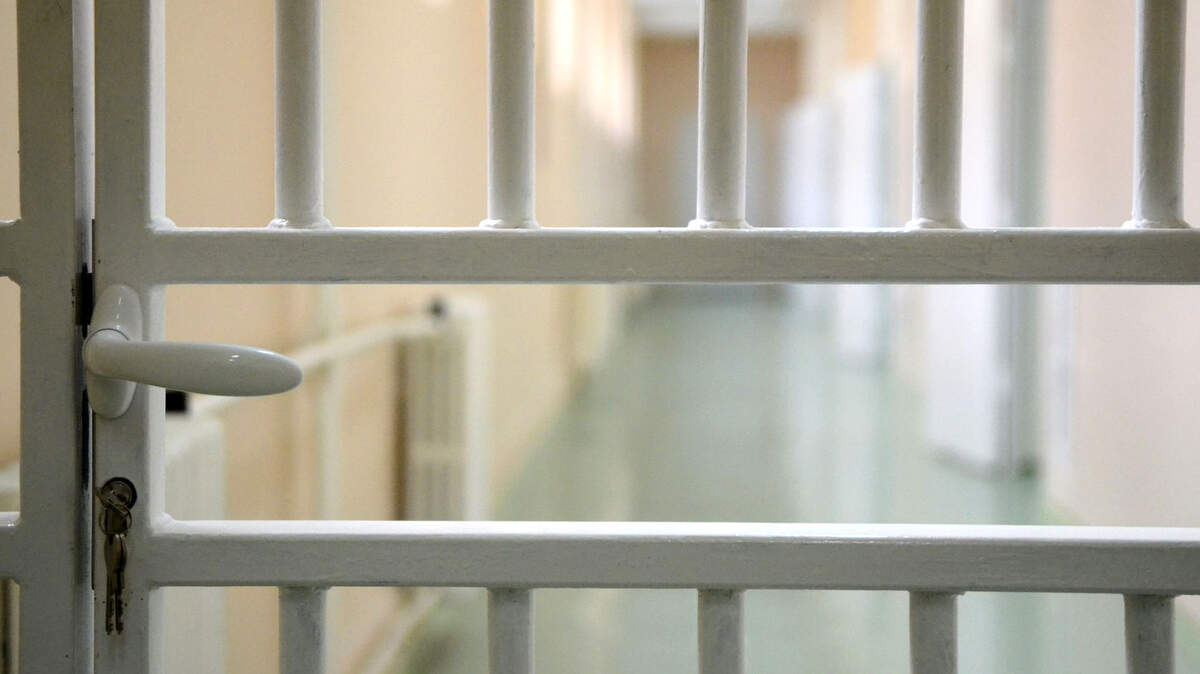
Several maximum security prisons here in Missouri have created Enhanced Care Units for inmates who need living assistance. They are coordinated by daily living assistants, who are tasked with helping inmates who are not able to care for themselves. The program is volunteer-based, and inmates must go through a screening process to ensure the safety of the patients. This is my personal story.
In the spring of 2013, I was asked to participate in the Enhanced Care Unit program at the facility where I am an inmate. At the time, I didn’t know much about being a daily living assistant. I thought it amounted to being a wheelchair pusher, but I soon realized that the experience would encompass much more than that.
When I was moved into a care wing after my application was accepted, the first thing I noticed was how eerily quiet it was as compared to the loud, rowdy environment in many of the other housing units. Often, I would sit out in the wing and silently watch the interactions between the patients and the other assistants. There were good moments when I could feel the joyful vibes from the pleasure of whatever the patients were participating in, but there were also times when I witnessed the frustration of another assistant who was overwhelmed.
Sometimes, I’d also feel a sense of hopelessness due to seeing the pain in these patients’ eyes when one of their friends passed away. I can remember one of my elderly patients, Mr. Jones, saying to me: “Antwann, have you ever looked up at the ceiling of this prison? What do you see?”
I pondered his question as I slowly looked upward. When the realization of what he was referring to finally hit me, I was overcome with emotion. As I looked him in the eyes, tears were flowing down his face. I said: “Mr, Jones — it’s shaped like a casket.”
I began to wonder how many other patients saw the same thing, and my cellmate (who was also a patient) truly helped me to see the world through their eyes.
He explained that when you have no family or friends to be there for you throughout your prison sentence, you feel like nobody cares about you. It’s during these dark times that many find fellow prisoners to build bonds with. Some of the strongest relationships are built between individuals who understand and encourage one another through their pain and struggles.
But when the people who have been helping to keep you strong begin to pass on, you begin to convince yourself that you would rather be with them in heaven. This was one of the last things my cellmate told me before he made the choice to commit suicide.
Some of our veterans who have fought for this country are also victims of prison warehousing, many with serious health issues. I would sit and listen to some of their stories about war, and see them beaming with joy and pride in how they fought for America, but they too feel lost and abandoned by the state.
How is the Missouri Department of Corrections trying to correct these problems? Why do stories like these continue to go ignored? I believe our legal system should offer a second chance at life and freedom to inmates over 50 years old who are remorseful and in no way pose a threat to the public.
There are days when I feel defeated, as if I’m fighting a lost cause for my freedom. But if these men can find the strength to fight to live another day, not knowing whether it will be their last, then, I can surely trust that God will give me the strength to find inspiration through their stories.
Please keep these inmate patients in your thoughts and prayers, because they are worthy of love, too.