
Kansas City must prepare for its climate future, so Evergy needs to get specific now
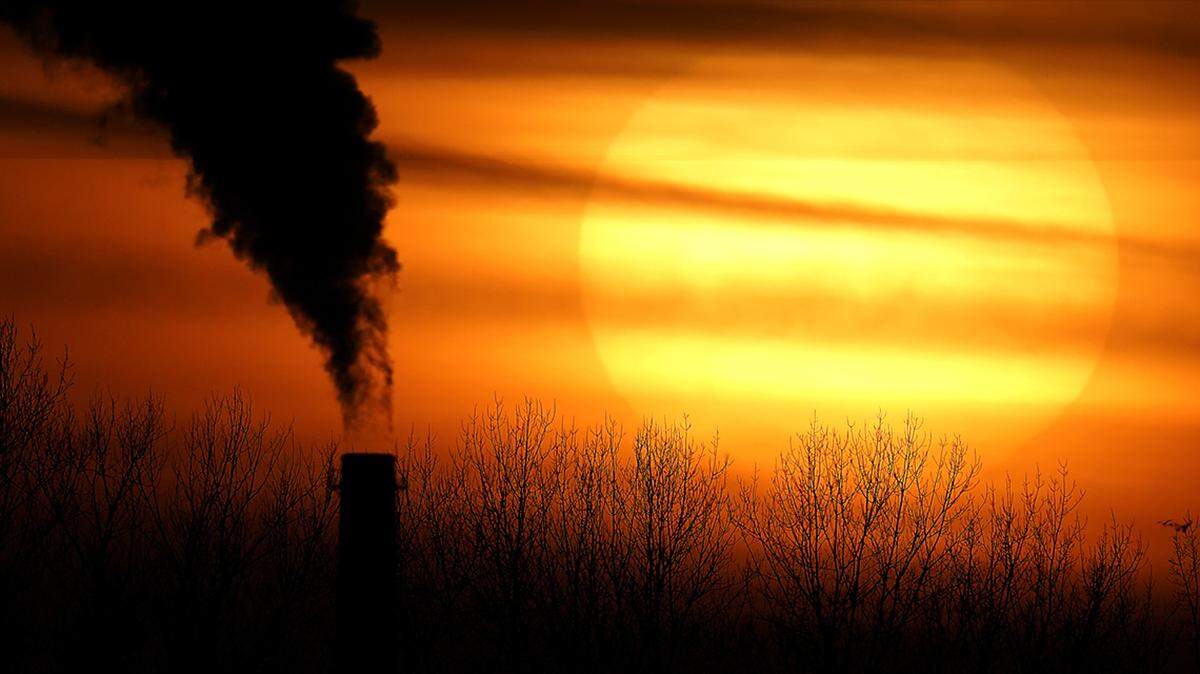
Generating energy from burning fossil fuels has long polluted our air with toxins, poisoned our water and caused health impacts in communities of color already overburdened with multiple environmental health hazards.
Electricity prices in Kansas City among the highest in the region and our city’s utilities, Evergy and Spire Energy, continue their reliance on dirty energy from coal and natural gas.
The KC Climate Protection and Resiliency Plan will be heard by the City Council in the upcoming weeks. However, our elected officials need to be educated on the impacts of air pollution, health and the energy generating sector, as well as listen to the people breathing harmful pollutants every day.
The emissions inventory provided to the city by Evergy does not have clear measurable targets for greenhouse gas reductions and associated toxic air pollution. Kansas City is already seeing the impacts of climate change. A report by the Union of Concerned Scientists shows that without aggressive global action to reduce emissions, the Kansas City area might experience an average 90 days of extreme heat about 90 degrees Fahrenheit by the middle of this century — double the number of such days we have now. And we are already feeling the impacts.
Kansas City needs a full accounting of how much fossil fuel will be used to generate electricity in the future, and how weather events can impact electricity consumption. The plan estimates that 55% of greenhouse gas emissions come from electricity, but does not specify their sources. This data is necessary to properly assess which emissions should be targeted. Additionally, it is unclear if and how much the electrification of transportation and buildings was figured into the plan’s projected emissions and target-setting. Greenhouse gas emissions must be properly accounted for in the planning process.
Adverse health effects linked to the pollution produced by coal burning plants are known and established. More than 35,000 people live within 3 miles of Evergy’s Hawthorn Station coal plant. Hawthorn is the largest emitter of greenhouse gasses in the Kansas City metropolitan area, contributing more than 2 million metric tons of heat-trapping gases per year. A clear road map to retire facilities like Hawthorn should be part of the plan, but ironically it’s not. Additionally, continued reliance on fossil fuels leaves ratepayers exposed to fluctuating fuel prices, as we’ve recently seen with methane, gas and oil, increasing consumers’ energy burden.
Air pollution from coal plants is responsible for premature deaths and asthma attacks every year. Throughout the Midwest, Evergy is poisoning Missourians and passing off the increasing operating costs to them. These high energy prices have resulted in nearly 25% of households foregoing basic household needs in order to pay electric bills. The United States has finally reached the “coal cost crossover,” meaning that existing coal is more expensive than cleaner methods of energy production. It is time for Evergy to plan for a more modern transition.
People working in the power plant sector are essential constituents in the movement for a just transition to a zero-emissions economy, air quality improvements and climate mitigation specifically in overburdened communities. Many workers not only work in places such as coal plants that expose them to toxins and impact their health, but they also live in neighborhoods disproportionately bearing the burdens of pollution. We need to create healthy, quality jobs and provide much needed relief to Black, low-income Americans who face the highest risks from power plant pollution and continue to bear the brunt of climate change.
For these reasons, CleanAirNow, where I am executive director, provided extensive environmental justice recommendations for Kansas City’s plan. These dirty generating power plants also have an impact on the health of adjacent communities such as Kansas City, Kansas.
Evergy is operating as a monopoly, maximizing profits and capitalizing on the deaths of people. It needs to address equity within energy choices prioritizing overburdened customers.
We need our local government to listen to its constituency, not the polluters.