
As the VFW meets in Kansas City, let’s make sure no more military veterans go hungry
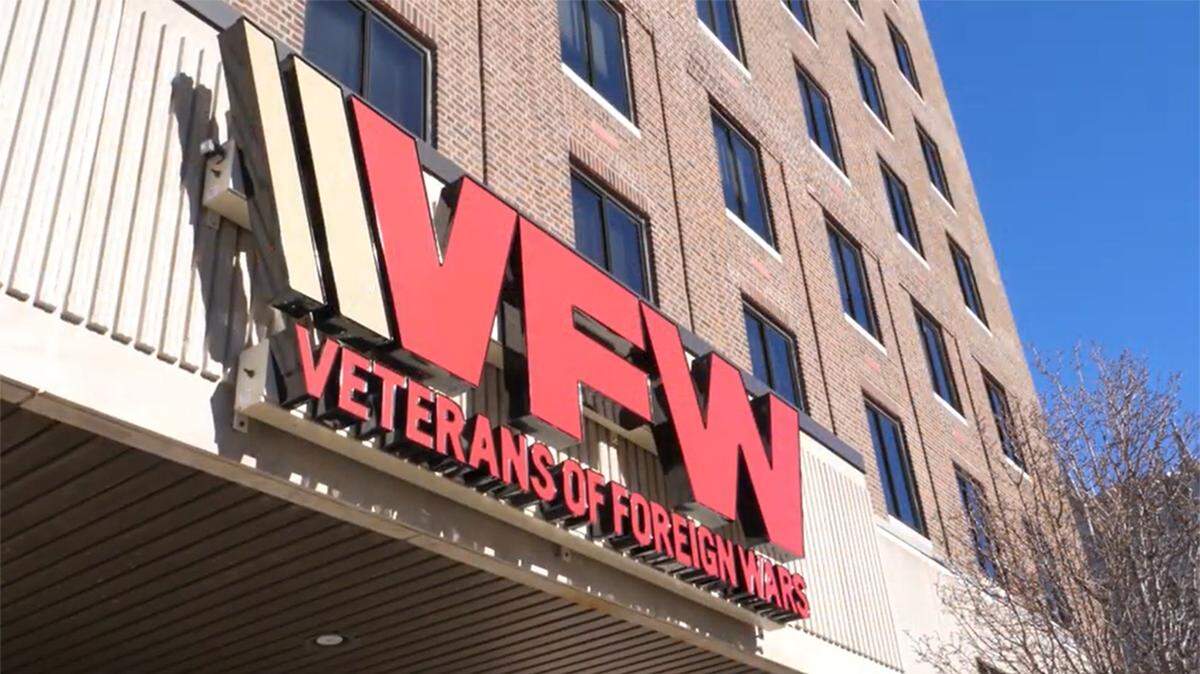
Our military veterans, who have sacrificed so much for this country, should never have to go to bed hungry or wonder where they will get their next meal.
Food insecurity is a real issue impacting the day-to-day lives of many veterans across the country, and it is one we will discuss right here in Kansas City during the 123rd Annual VFW National Convention kicking off July 16.
During this important annual event, thousands of our nation’s veterans come together to discuss current financial, employment, health and social issues affecting veterans, active service members and their families.
Food insecurity is a priority health issue for us, as about 11% of working-age veterans lived in food-insecure households between 2015 and 2019, according to the Veterans Health Administration. Also, approximately 1 in 4 active duty military and Reserve members relies on food bank donations to feed their families.
These are challenges we must combat together as a society. That’s why, as part of our 10-year relationship, Humana and the VFW organized the Uniting to Combat Hunger campaign to combat food insecurity for veterans, active service men and women, and their families. Since its inception in 2018, the campaign has provided more than 3.5 million meals to those in need. While this is an incredible number, it hasn’t solved the problem.
About 1.3 million veterans rely on the Supplemental Nutrition Assistance Program, or food stamps, in their household. Ensuring they have consistent access to healthy food is vital.
For veterans, regular access to healthy food may mean:
▪ Spending less on health care. Food insecurity leads to an unhealthy diet. Having access to healthy foods can help prevent health problems from developing, which means fewer trips to the doctor.
▪ Missing fewer days of work. Healthy foods lead to healthier bodies and minds. Healthy people don’t need as many sick days.
▪ Improving health. Regular access to healthy foods can help decrease the risk of common health problems, such as diabetes, depression, hypertension and congestive heart failure.
▪ Staying active. We all know if you don’t feel good, you aren’t going to want to be active. Eating low-cost, filling foods that are less nutritious can impact health and energy levels.
Despite our continued progress toward decreasing food insecurity, the fight isn’t over. We must come together as a nation for those who have given so much for us. To learn more about the Uniting to Combat Hunger campaign, visit www.vfw.org/uniting-to-combat-hunger
This story was originally published July 15, 2022 at 5:00 AM.