
A Kansas hospital made my reproductive choice for me. Politicians want to do the same
I’m from a small town in south central Kansas, and I wasn’t a voter until I had to move out of state to receive emergency, lifesaving health care. Now — as if my life and yours depends on it — I’ve launched a nonprofit to encourage other people to start voting and change the future of my home state.
I wasn’t a voter because I didn’t think my vote mattered. I felt that I didn’t understand everything about rather polarizing issues, and that I shouldn’t insert myself into outcomes that voting decides through elections.
Until I had to leave Kansas to get the health care I needed.
At 22 years old, I had stage 4 endometriosis and was in severe chronic pain. My doctor told me that I needed a hysterectomy, but that she couldn’t give me one. At her hospital, physicians weren’t allowed to perform the procedure on a woman unless she was over the age of 35 or had three children, and Kansas would protect the hospital’s decision to refuse this care. My doctor then told me that I needed to move to a more “progressive” state. She referred me to a doctor in Denver, and so I moved to Colorado the following month.
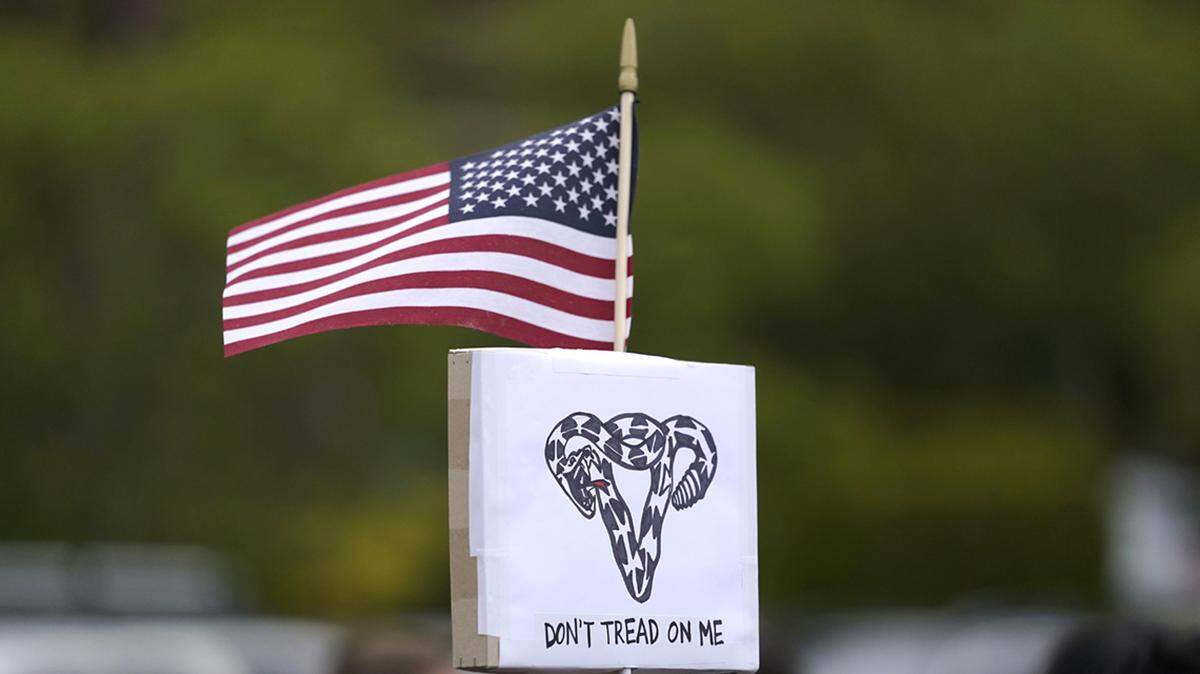
The right to choose my own reproductive health care is just about as important as anything gets. With my hysterectomy, hospital administrators made that choice for me. And if the amendment to the Kansas Constitution on the Aug. 2 ballot passes, hundreds of thousands of Kansas women may be walking down the path I had to take as a scared young woman with my health care at other people’s whims. But this time, every Kansas woman’s choice would be dictated by politicians in Topeka. The right to vote and to have a seat at the table is paramount.
What I discovered about the need to advocate for my health is true in other parts of my life. When I was a teacher, I questioned why my students weren’t getting necessary resources. This is when I started to figure out that the budgets our schools receive are determined by elected school board members. Soon, I found myself canvassing for a school board candidate one summer. I cast my first vote that year, even though I didn’t have a full understanding of the rest of my ballot.
I ended up leaving teaching altogether and working on campaigns to encourage others to get out to the polls and vote. I became an active voter and an advocate for issues that are deeply personal to me.
After leaving education, I started as an organizer on a school board race. My hope for change grew while I talked to voters about the issues they were facing because I related to so many of them. I felt validated. What mattered most to me was the same that mattered most to them. Campaigns are my way to fight for the issues I care about. We elected new leadership to the school board that year, and it paved the way for change for the next four.
Before coming back to Kansas, I organized Deferred Action for Childhood Arrivals recipients, first-generation college students, teachers and other voters over the next several years. In 2018, I worked on state legislative campaigns in Colorado and expanded the Democratic house majority there. Since then, those lawmakers have passed countless numbers of bills to impact people’s real lives. They found solutions to our issues, and those bills became law. After this experience, I wanted to move back to my home state, Kansas. I wanted to work on the issues of my community and make a direct impact here.
When we vote, our lives change. The issues we confront in our lives get addressed. We can get the health care and education we need. Our communities can receive better resources. And what happens when we don’t vote? Politicians listen to their out-of-state influencers with the biggest war chests. Then they decide what’s best for our communities — and they choose outcomes for people who are struggling to make ends meet.
Voting is free. The power of one vote is the power of a collective community if we all cast a ballot. That’s what democracy is all about.
Because of my journey, I’ve helped launch Prairie Roots Kansas, a nonprofit organization that focuses on making the political process accessible to those who aren’t voting. Please join me in voting on Aug. 2 to make sure that women like me get access to reproductive health care they need. To learn more about how to vote, go to ksvotes.org