
As a veterinarian, I’m ashamed of Missouri puppy mills. Here’s how we get rid of them
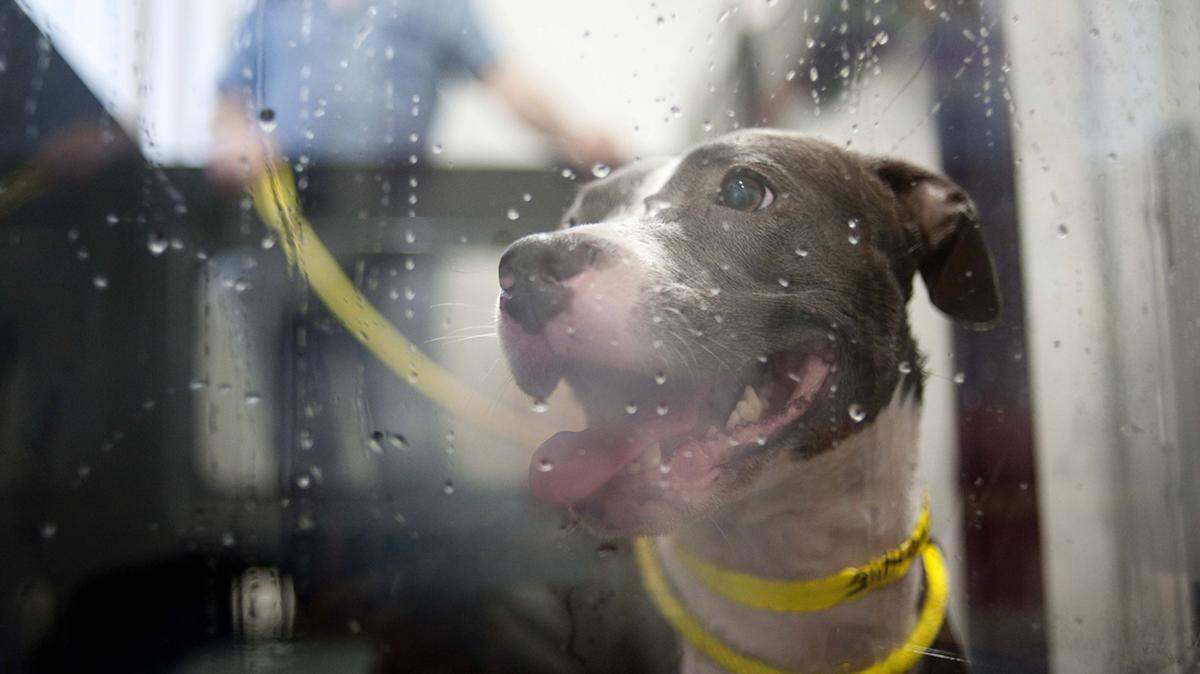
As a Missouri veterinarian, I was shocked to recently learn that our state once again tops the list of the Humane Society of the United States’ Horrible Hundred report for having the most large-scale commercial dog breeders that have violated basic health and welfare standards for animals in their care. Veterinarians see the fallout from these “puppy mills” when families purchase puppies that end up with severe health problems. The owners incur significant medical bills and experience heartache as they watch their pet suffer.
Here are some disheartening examples of Missouri puppy mills from the report.
In October 2019, Missouri Attorney General Eric Schmitt announced a lawsuit against dog breeder Cory Mincey of Puppy Love Kennel (aka Cory’s Cuties) in Dallas County for repeated violations of the Animal Care Facilities Act. According to the AG’s press release, state inspectors who visited the kennel found “buildup of feces in enclosures, loose or bloody stool found in enclosures, algae or debris filled water, inadequate veterinary care, dogs observed with thin body condition” and more.
That same year, court records show the attorney general also sued another breeder, Sandra Kozlowski of Sho-Me Labradors, for chronic violations of the Animal Care Facilities Act. Kozlowski surrendered 83 dogs to the state between 2019 and 2020 after some of the animals were found to be thin with their ribs visible through their fur, and others were found in cramped conditions without enough space to stretch their legs. Under a consent agreement dated May 2020, Kozlowski agreed to comply with the rules to keep her license.
According to the new Horrible Hundred report, both Puppy Love Kennel and Sho-Me Labradors are still in business 2022, despite continuing to incur violations. The report reveals that Mincey and Kozlowski are still licensed by the Missouri Department of Agriculture despite recurring violations. Mincey was found as recently as January this year to have dogs exposed to the bitter cold with only frozen water and dirty conditions, and Kozlowski was found to be keeping large breed dogs in cramped crates that were far too small for them, a repeated issue.
The report also reveals that Beauchamp’s Puppy World near Lebanon, whose owner Kevin Beauchamp is president of the Missouri Pet Breeders Association, has had recurring violations for dogs in need of veterinary care. Beauchamp was fined $6,000 by the U.S. Department of Agriculture in 2017 for a host of violations. Beauchamp’s Puppy World has appeared in four previous Horrible Hundred reports, with nearly identical problems.
Missouri’s puppy mills are exporting both misery and heartache, too. Buyers from across the country have reported sick or even dying puppies purchased either directly from licensed Missouri breeders, or from pet stores that source from those breeders.
Records show the Missouri Department of Agriculture is diligent in visiting licensed facilities regularly, documenting issues, and checking up on complaints about unlicensed dog breeders. But while inspections are regular and reliable, follow-through, including meaningful penalties, seem to be sorely lacking. The process of shutting down chronic violators takes years — years during which hundreds of dogs can be left suffering and sometimes dying in miserable conditions, while the same violations occur again and again.
Too many repeat offenders still breed dogs
The 10th annual Horrible Hundred report highlights 100 problem puppy mills. Puppy mills are commercial dog breeding operations prone to cruel practices from cutting corners on animal health in the interest of profit. This report demonstrates that even breeders who are passing federal or state inspections without so much as a fine are known by the responsible agencies for awful conditions. This isn’t good for our state. For the 10th year in a row, Missouri has more puppy mills on the Horrible Hundred report than any other state. In fact, our state accounts for more than a quarter of the 100 dog breeders in this year’s report.
While this is a sampling of 100 problem puppy sellers based on federal and state inspection data, it’s by no means a ranking of the worst puppy mills. That’s because there are approximately 10,000 of these businesses in the U.S., and many are not inspected at all, so no verifiable records on their conditions exist. If this is what we see in inspected facilities, imagine what conditions are like in operations that fly under the radar.
Uncovering puppy mills is an important duty of the state agriculture department, and we all applaud its work when we see local shelters, including the Humane Society of Missouri, taking in animals removed from dreadful conditions. But state-licensed breeders who cannot fulfill their duty of taking proper care of animals must be shuttered. They should not be on any kind of “repeat offenders” list for three, four or even five or more years in a row.
Our state agencies have clear mechanisms in place to shut down problem puppy mills, but that isn’t happening nearly as often as it should. When breeders that have been sued and fined are still re-offending year after year, something is wrong. Breeders who have been found repeatedly with emaciated, sick and injured animals must not be allowed to continue.
In the meantime, our state’s shelters are filled with mostly friendly, healthy dogs that deserve good homes. The best way to avoid a puppy mill is to adopt your next dog from a reputable shelter or rescue. If going to a breeder, you should always visit and meet your prospective puppy’s mother and the breeder in person to make sure the dogs’ living conditions are clean, spacious and humane. Until Missouri can prove that it has no tolerance for cruelty at licensed kennels, adoption remains the kindest option when getting a dog.
As a proud Missouri native, I am ashamed of these reports and can say with certainty this does not reflect the values of the large majority of people in our state. I have faith that most Missourians support stronger enforcement actions to protect animals from suffering. I hope to see our state disappear from this list forever. With committed and united effort, I think we can make that happen.