
I saw a 14-year-old KC girl shot to death. Our gun violence crisis is bigger than Texas
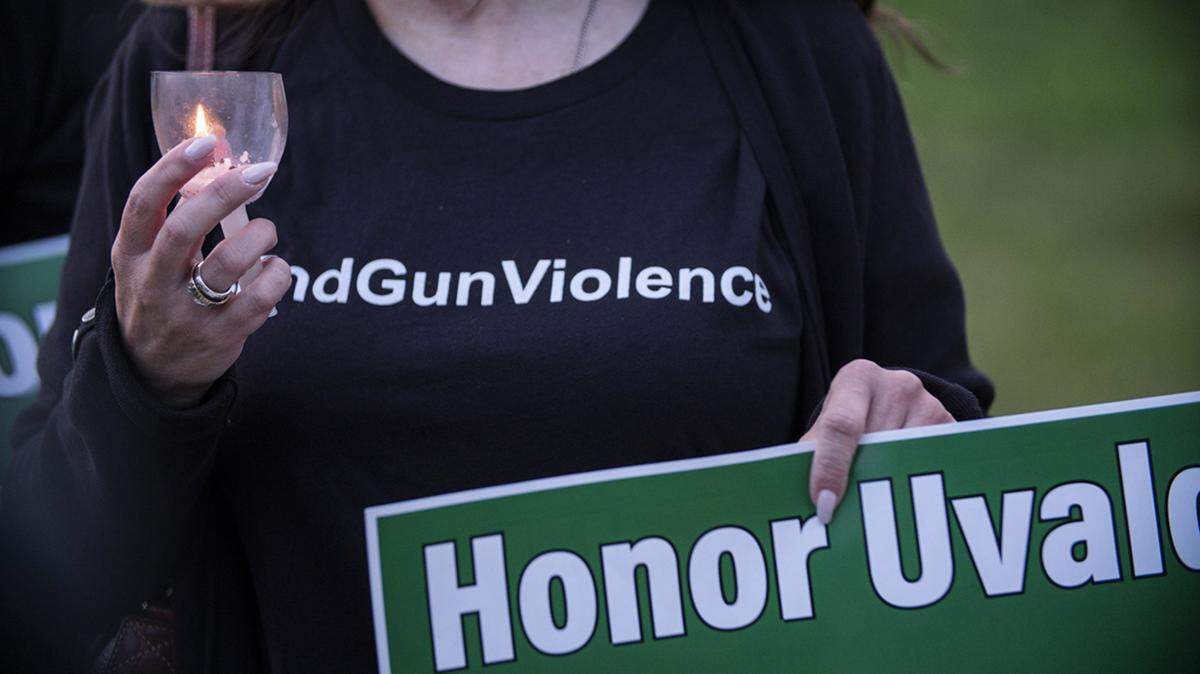
Watching the news from Uvalde, Texas, last week, I could not help but remember the first time I saw a murdered child. I was 30 years old. It was January 2015. I had been a prosecutor for just over five years, and had recently been promoted to my office’s violent crimes unit. For the first time in my career, I was carrying our “homicide phone” — an outdated, generic smartphone, which an investigating agency would call in the event of a homicide. The phone rang.
The calls we get in these situations are typically short and to the point, the product of a routine ingrained over the course of the 150-plus killings that Kansas City deals with every year. I was told that the homicide squad was en route to investigate a shooting death. A body had been discovered with gunshot wounds in the parking lot of a shuttered water park in south Kansas City.
I remember arriving and being relieved that I at least had an idea of where to go, if not of what to do. It was a cold, gray Midwestern winter day, and the sergeant in charge of the scene had called out the police department’s mobile command RV so that people could stay warm while they worked at the crime scene.
It turned out that the dead body was that of a 14-year-old girl, and the murder had been captured on the park’s surveillance system. I don’t remember if I saw the video at the scene that day or later in my office as we prepared to file charges, but I know that I can still play that cursed thing almost frame by frame in my head. A gray, four-door sedan rolls into the empty parking lot. It is occupied by five people. The back door opens and the 14-year-old victim stumbles out, followed by what turned out to be a 17-year-old boy. He pistol whips her repeatedly, and then the surveillance video shows muzzle flashes at the end of the gun. He gets back in the car. The driver, also a 17-year-old boy, then exits the car. He walks up to the girl his cohort has just shot. She’s writhing in pain. He shoots her again. The car drives off as that 14-year-old girl, shot and bleeding, alone and dying, struggles to stand up. She then falls over and is still.
The subsequent investigation revealed that the 14-year-old was killed because her 17-year-old killers mistakenly thought that messages from friends concerned for her safety and whereabouts were from rival gang members. Her killers believed the girl had been sent as a Trojan horse to give away their locations and turn them into victims of the gun violence they were already too familiar with before they’d reached their 18th birthdays.
The case didn’t make national news, nor was it the subject of Twitter rants or celebrity Instagram posts. It was reported locally as an unfortunately typical murder, the kind that leads the nightly broadcast every couple of days. This murder, while desperately sad and brutal, will not sound particularly extraordinary to anyone who spends time working on violent crimes.
It was my first murder case, but since that day I have spent most of every day of my professional life dealing with scores of others similar to it, yet each unique in its own horrifying way. And there are 20 or so people like me in my office, spending all day, every day dealing with the grinding routine of homicide cases, almost all of which involve firearms.
Guns easy to get, punishing criminals difficult
The revulsion I feel watching the news about the elementary school shooting in Uvalde is an acute version of the despair I feel all the time about the absurdity of America’s gun laws. Opposition to basic gun control measures such as waiting periods, magazine capacity limits, assault weapon bans and universal background checks, along with the promotion of “stand your ground” and “constitutional carry” laws, and a borderline fetishism of firearms, ensure two things: First, guns are freely and cheaply available to anyone who wants them. And second, when those guns are inevitably used for nefarious purposes, it is harder to punish the person who shot them.
Mass shootings like Uvalde are sickening and galvanizing, and they bring this issue into sharp relief as the national media focuses on them. But we are sacrificing thousands more children a year — more than 4,350 of them in in 2020, according to NPR — at the altar of the gun lobby.
Most of these kids don’t die in mass shootings. The killing I saw on video is far from unique, as my colleagues here and across the country handle cases equally heartbreaking and senseless every day. Every day, children are gunned down. Every day, there is a new child victim of domestic abuse, or gang violence, or bullying, or a robbery gone bad, or any of a number of equally unconscionable ways for a child’s life to be cut short.
If guns were harder to get, if we more tightly controlled who was allowed to possess and transfer ownership of them, how many families would avoid meeting someone like me in the worst moments of their lives? How many of those thousands of children we lose every year would still be alive? How many more graduations, weddings and career milestones would we be celebrating?
I am begging for our elected officials to at least experiment with answering those questions. Because continuing to blithely do nothing is condemning thousands more children to bloody and avoidable fates.