
Missouri’s opioid and suicide crisis hits men hardest. Our boys deserve more help
Missouri’s opioid and suicide crisis mirrors those of the nation and disproportionately impacts Missouri’s boys and men, something Sen. Josh Hawley addressed at the National Conservative Conference in Orlando last October, speaking openly in terms of males and substance abuse.
But substance abuse is only one area of concern for Missouri’s boys and men. A recent report on Missouri by the Global Initiative for Boys and Men reveals several areas impacting the state’s male population. GIBM, established in 2019, is a nonprofit dedicated to the well-being of boys and men through research and advocacy. Its mission is to educate the public by providing verifiable and reliable information on the status of boys and men. Our group has been using its resources to create state reports and other data.
“We are the only nonprofit creating state reports on the status of boys and men in the nation,” said Philip W. Cook, author, journalist and a GIBM board member. “While many wonderful organizations exist to help our nation’s girls and women, there are no agencies dedicated to identifying the measurable outcomes of our nation’s sons and implementing policies to help improve their outcomes when it comes to the diseases of despair (suicide, drug and alcohol deaths), education and other social issues. GIBM is providing an essential service by educating the community, policymakers and educators.”
The report is the first of its kind for Missourians and highlights data often left out of the state and national conversation. “The Status of Boys and Men in Missouri” looks at six key areas of well-being that range from education to physical and mental health.
After analyzing 6.8 million student test results in English and language arts in Missouri from 2006 to 2019 and nearly 6.9 million student math results, data shows that boys are behind at all levels of meeting proficiency or advanced standards in these fields. And boys are now slightly behind girls in meeting math standards. The boy literacy gap has been a consistent trend, and resembles the disparity in college enrollment according to the Missouri Department of Higher Education and Workforce Development’s 2019 Equity in Missouri Higher Education Report. (The 2020 report did not include a breakdown of the male gender gap in college.)
Further analysis of Missouri Department of Education data shows that boys are suspended at significantly higher rates, take fewer advanced placement courses, graduate at lower rates and are less likely to possess the prerequisite skills needed for college and higher learning than girls.
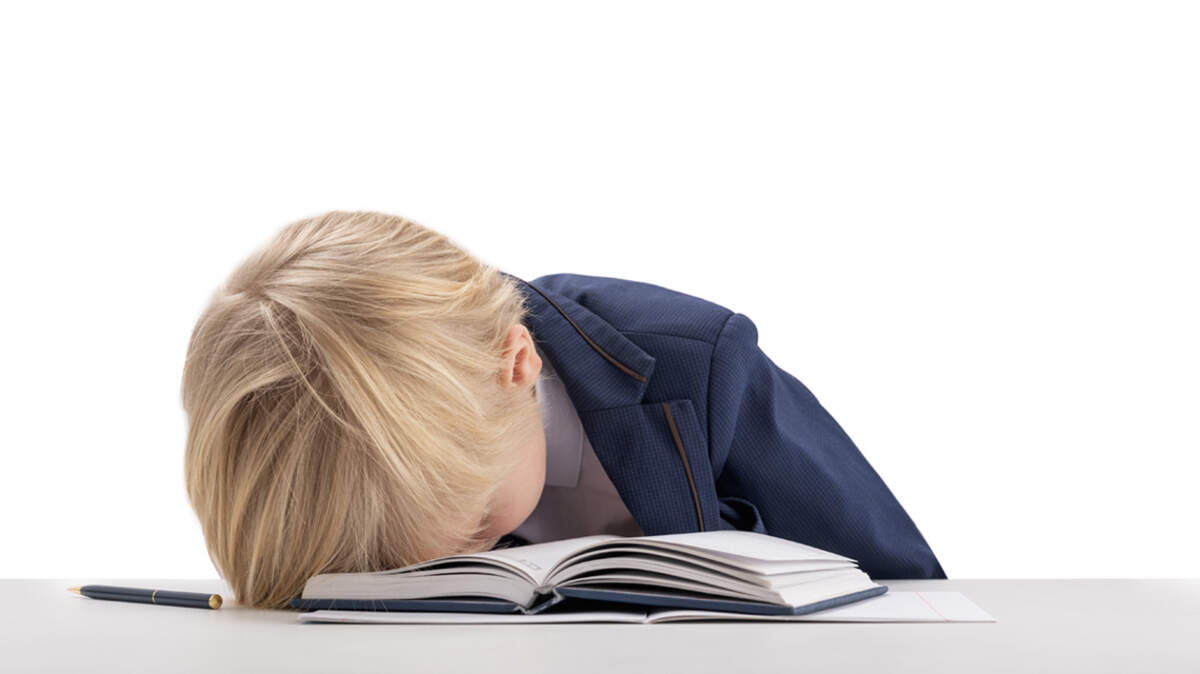
Schools are finding it difficult to navigate healthy boy energy. Boys account for 85% of 1st to 4th grade suspensions and 70% of overall suspensions for 10 days or more. (The Missouri Department of Education only tracks suspensions of 10 days or more, but it is very likely the percentage of boys suspended for fewer than 10 days is higher than 70%.)
One striking consistency is the linear path of the school-to prison pipeline, which is partly predicated on early failures to address the ways gender differences in schools impact learning and the absence of fathers in the home. Dad-deprived homes and other social factors continue to contribute to poor outcomes. Forty percent of Missouri births are to unwed parents and men account for 70% of Missouri’s unsheltered homeless population, many of whom suffer from various forms of mental illness and drug addiction.
One has to wonder if Hawley is correct when he calls on the nation to encourage American men to become “an unrivaled force for good in the world — if we can strengthen them, if we can empower them, if we can unleash them to be who they are made to be.” Few if any such messages regarding the needs and outcomes of boys and men are finding a place in the public discourse, and fewer politicians care to openly confront the topic and enact policy changes. Whether Hawley is the one to take up the mantle of male apathy and inclusion in public policy is yet to be seen, but there is no denying Missouri’s boys and men and the women who love them are facing harsh realities that need more attention.