
Rural Kansas needs broadband. Don’t let Congress’ infrastructure dollars go to waste
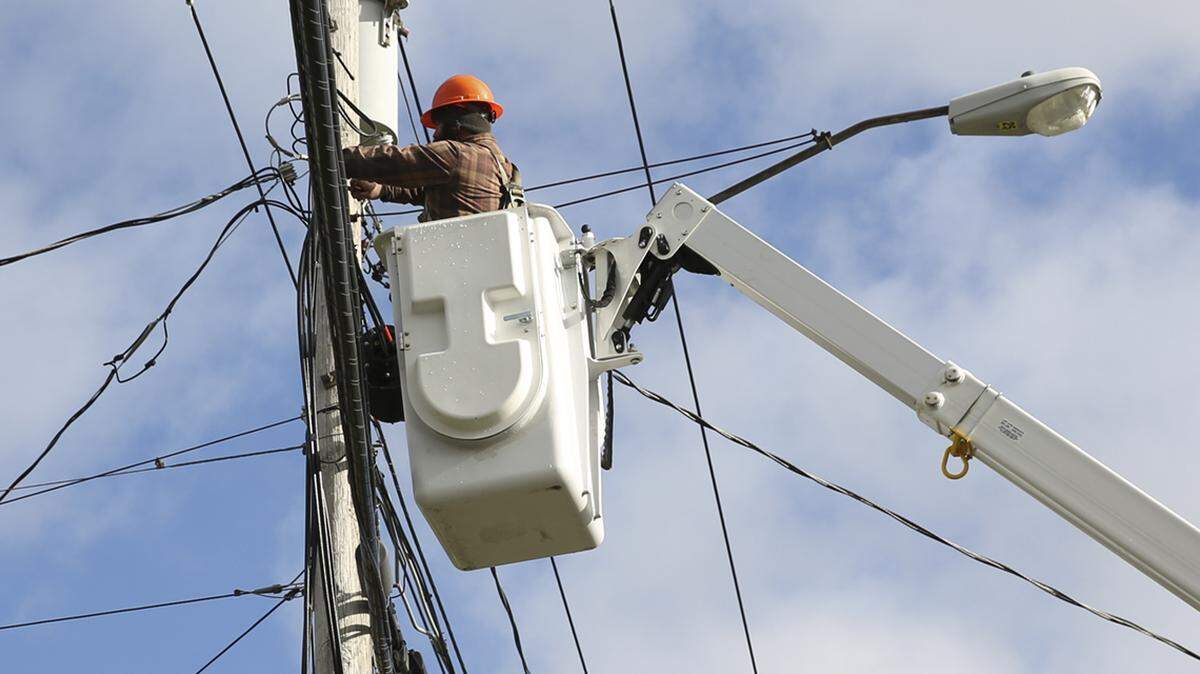
For rural communities across the country, the bipartisan infrastructure bill’s $42 billion commitment to building high-speed broadband networks is long-awaited manna from heaven.
But with this funding secured, the next challenge is making sure these broadband dollars reach the communities with the greatest needs. And that’s where public officials from both parties need to work together and ensure the bipartisan consensus that catapulted its passage doesn’t break down.
The bill lays out commonsense guidelines to optimize success: Prioritize broadband build-outs in remote, rural areas that entirely lack broadband networks. When that job is finished, move on to upgrading other areas with slower, outdated networks. And avoid diverting scarce public funding to areas that already have world-class speeds available.
But promises are more sometimes easily made than kept. Rural broadband programs in the 2009 stimulus bill, for example, connected only a fraction of the homes promised while billions were spent on duplicative “overbuilding” projects in communities that already had fast service.
Every tax dollar spent giving well-wired cities a third or fourth broadband option is a dollar taken away from a rural community still waiting for its first. This is especially true given the supply chain crisis: With everything from semiconductors to fiber optic cable in short supply, states need to prioritize resources first to connect areas that don’t have broadband.
If state officials heed this guidance, the infrastructure bill can become part of our Marshall Plan for rural America, fueling new economic lifelines for shrinking communities while bridging the widening social and political chasm between blue cities and red counties.
The 2010s marked the first decade in U.S. history in which rural counties lost population. More than 100 rural hospitals have closed in the past decade, forcing rural residents to travel farther for essential health care services. Rural schools are closing too, pressured by tight budgets and aging populations. A well-documented brain drain has pulled younger residents — college graduates, in particular — away from their rural hometowns for higher-paying jobs in cities.
Part of this decline stems, ironically, from tremendous advances in agricultural production. U.S. farms today produce two-and-a-half times more food than in 1950, but employ 4 million fewer workers. This shrinking agricultural workforce has slowly drained the economic base from many small towns.
Revitalizing these rural economies will take a lot of infrastructure — and broadband is a critical place to start.
Access to reliable, fast networks empowers job training and skills development. It puts critical telehealth services at patients’ fingertips. It brings global reach to entrepreneurs in rural Kansas or the San Joaquin Valley, whose startups can now compete for global customers and remote talent. Connected “precision agriculture” tools could reap farmers an estimated $65 billion in more revenue annually. And broadband would help check — or even start to reverse — the brain drain pull of cities by giving white collar professionals the infrastructure to work remotely.
To realize this vision, funds must be targeted to where they are most urgently needed, with effective oversight and accountability. Requiring transparency and cutting red tape can help state officials avoid expensive, time-consuming sand traps along the way.
State broadband agencies should post funding applications online so lawmakers and outside watchdogs ensure that funding goes to the most capable providers rather than the best-connected politically.
Companies, nonprofits or local governments that win build-out contracts should be held accountable with performance timetables, regularly reporting how many towers they’ve built, miles of cable they’ve deployed and previously unserved homes and businesses they’ve connected.
Meanwhile, federal and state agencies should cut red tape and eliminate superfluous costs. For example, reasonable rules to streamline approvals for attaching broadband lines to utility poles would help avoid delays and keep down costs. State regulators should take care not to weigh down these deployment programs with unrelated regulatory burdens that could slow deployment or increase costs.
Let’s keep our eyes on the prize: connecting as many rural homes as we can, as quickly and cost-effectively as we can. President Joe Biden, working with a bipartisan group of pragmatic moderates, delivered the funding needed for this job. Now, state officials in both parties should seize the opportunity to put these dollars to work revitalizing and empowering rural communities across the country.
This story was originally published April 12, 2022 at 5:00 AM.