
Storms, drought affect Missouri and Kansas. Add your voice to the climate change fight
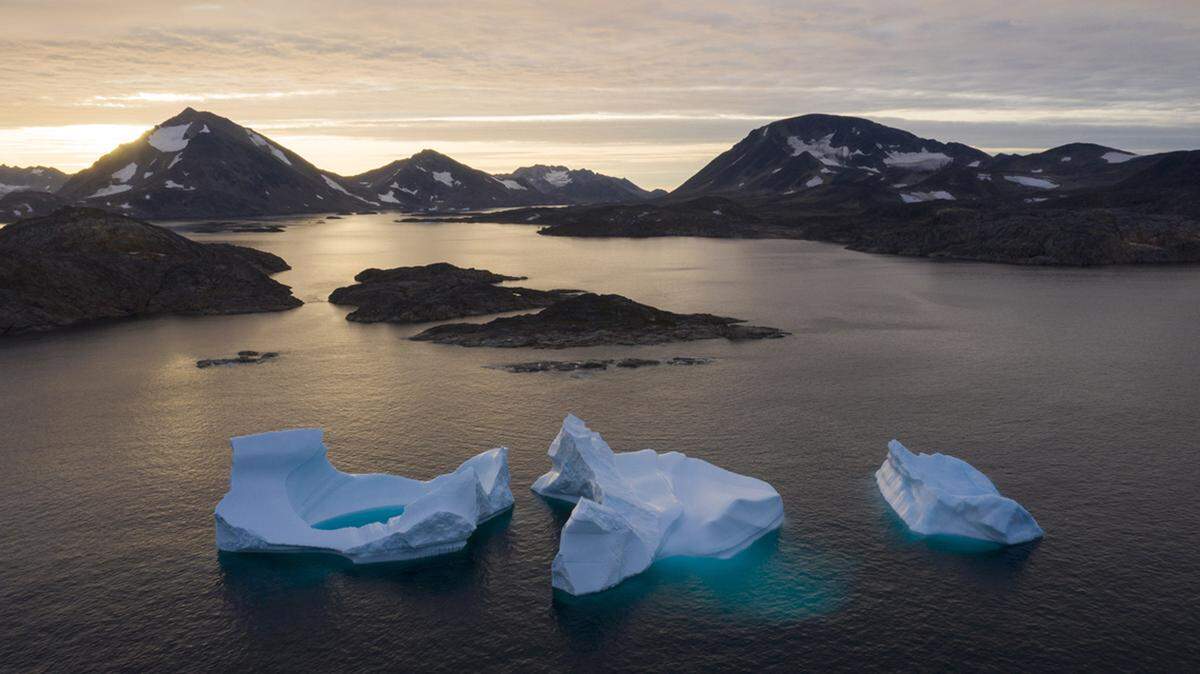
I remember the exact moment my career turned toward the environment. It was 2007, and I was interning for U.S. Rep. Emanuel Cleaver. He had just returned to Washington, D.C., from a congressional trip focused on climate change, where he witnessed climate impacts unfolding in real time. During a boat tour in Greenland, Congressman Cleaver and other members of a bipartisan delegation watched, awestruck, as enormous chunks of ice melted off a glacier into the briny ocean below. In his impassioned retelling of the scene, I recognized that a changing climate was the environmental issue of my lifetime.
Sharing our environmental experiences is essential to progress. It’s what has always propelled me forward, and it is the foundation of our community engagement work at the U.S. Environmental Protection Agency’s Heartland office. No one knows the needs of your community better than you.
Since President Joe Biden appointed me to lead EPA’s Region 7 this past December, I’ve been working with our dedicated employees to build partnerships and offer a seat at the table.
So far this year, we’ve hosted concerned citizens in our regional office, met with local neighborhoods, visited a ranch in Kansas’ Flint Hills and connected with multiple educational partners. The conversations were sometimes difficult, but I’m committed to engaging with you in ways that allow you to share your own experiences, concerns and ideas.
We recognize that in addition to specific, immediate environmental challenges, our communities with equity concerns will bear the greatest burdens of a changing climate.
On April 9, Johnson County Community College will host the 2022 KC Regional Climate Action Summit, where I’ll have the privilege to work with Congressman Cleaver once again on the climate crisis. The event will bring together leaders from across the metro to share experiences, strategize and discuss the challenges of tackling climate change in our own backyard.
It’s time to address our region’s own “melting glaciers” — increased flooding, increased storm severity, periods of drought — with actions that build resiliency and protect our most vulnerable communities. The Bipartisan Infrastructure Law affords us a unique opportunity to work with our community and government partners to make strong investments toward a more equitable, healthy and sustainable future right here, where we work and live. In forging ahead toward these goals, the Biden administration is laser-focused on seeing that our underserved communities are not locked out of the historic funding afforded by this law.
Bipartisan Infrastructure Law funding will accelerate upgrades to drinking, stormwater and wastewater facilities that will increase resiliency to climate impacts. It also provides for the redevelopment of contaminated properties for beneficial community use and cleaner air for our children and communities through low- and zero-emission school buses. These are just a few examples of public and private partnerships spurred by the Bipartisan Infrastructure Law that will transform our communities, create job opportunities and provide for greater environmental equity.
In the near future, we’ll be scheduling listening sessions in Kansas City and St. Louis to hear more about your environmental and public health needs. Until then, if you want to get involved, please send an email to R7PublicAffairs@epa.gov.
We will continue to look for opportunities to engage with you, and I hope you will join in our efforts. We cannot build climate resiliency and advance our environmental protections without you.