
Is this huge Kansas power transmission project necessary? Developer must make its case
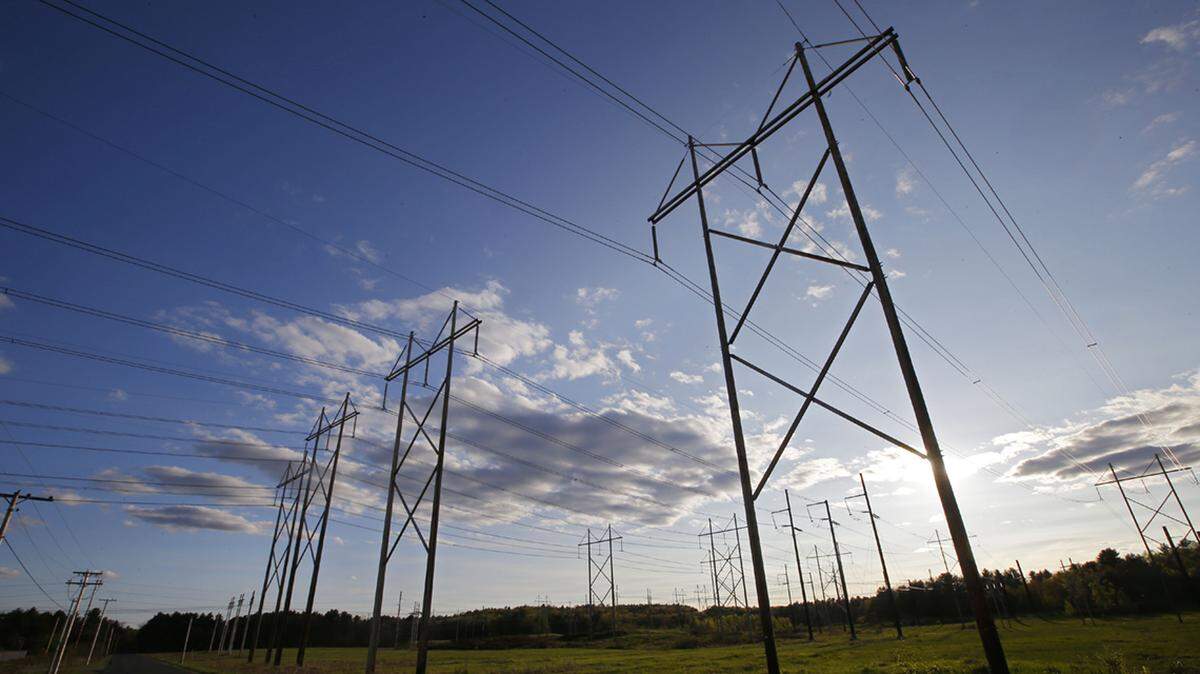
Imagine this: A 150-foot (half a football field wide) right of way that extends continuously for 89 miles through five counties in Kansas, for a 345-kV electric transmission line. The physical structure — poles and wire — for a 345 kV transmission line, is much larger than most Kansans have ever seen.
How these large transmission projects come about is a combination of federal regional planning and the reserved rights of states to govern within their state boundaries.
Before this $86 million transmission line can be constructed, the Kansas Corporation Commission must first determine that the project owner — NextEra — is qualified to operate as a “public utility” in Kansas, determine that the proposed transmission line is a “necessity,” and determine that the path of the transmission line is “reasonable.”
If the KCC determines these three issues in its favor, NextEra is granted the power of eminent domain, and the right to acquire private property by condemnation, for the 89-mile transmission line corridor.
These points are clear.
▪ The primary focus in the consideration of these large projects — which are by their nature disruptive to the lives of Kansans — is whether the project is “necessary.” This is a complex question, and implicates federalism, state rights and the private property rights of hundreds of Kansans along the corridor of the transmission line.
▪ The Southwest Power Pool, the federal regional transmission organization, has already approved the 345 kV, 89-mile project through five Kansas counties. SPP has selected NextEra to build the project and has approved its costs.
▪ Only the KCC can grant eminent domain for this project. Neither the federal government nor multi-state regional electric organizations have the power of eminent domain. This project cannot be constructed without a grant of eminent domain from the KCC to NextEra.
▪ The transmission line construction and operation would affect the private property of many homeowners, but the primary physical impact of this transmission project would be on hundreds of farms and ranches in Allen, Anderson, Bourbon, Coffey and Crawford counties Kansas.
The question of the day: Do federal regional planners or the state of Kansas — the KCC — decide the fate of this project?
The answer is the Kansas Corporation Commission. But this answer is complicated.
The SPP approved this project, based on its determination that the project is necessary and will benefit its 14-state regional electric transmission grid. NextEra, however, must acquire 89 miles of right of way in Kansas to construct and operate the transmission line.
This is likely impossible without a KCC order to permit NextEra the power to condemn the private property of those landowners who do not want a large transmission line on their property.
And the answer is yet more complicated. Kansas law requires that the KCC independently determine the “necessity” for and the “reasonableness of the location” of the proposed electric transmission line. The KCC cannot rely on the SPP determination that the transmission line is “necessary.”
In making its independent decision on the “necessity” for a proposed transmission line, Kansas law requires that the KCC shall take into consideration the benefits of the project to both consumers in Kansas and consumers outside the state. The private property rights of Kansans may be condemned for the benefit of consumers in other states. This is a big step.
The Legislature was careful to provide the tools to the KCC to protect Kansans. The commission can grant or withhold the authority for the project, or condition approval to protect the rights of the general public
The KCC decision on this transmission project will affect every Kansan. NextEra must present compelling evidence to show the project is a “necessity” for Kansas — and that the project’s benefits to Kansans exceed project costs that would be paid by Kansas consumers.