
As a diabetic in the Kansas Legislature, I know expensive insulin is life and death
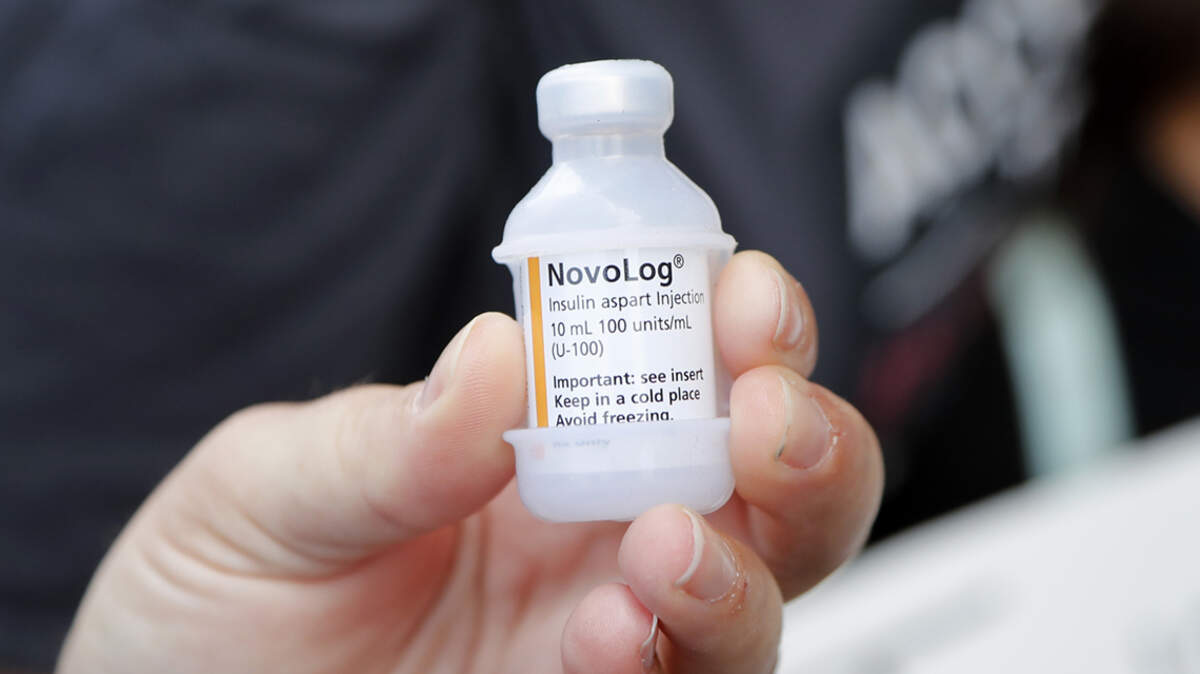
My first experience with America’s broken health care system came when I fell into a diabetic coma at the age of 12. After three months in the hospital, a medical social worker enrolled me in Medicaid to cover insulin costs. But my family was left with crippling debt from my hospital stay. This was only the beginning of the nightmare that is living with diabetes in America.
Two years later, after my father’s income increased, I lost Medicaid coverage and began rationing insulin and supplies. By 17, I moved out. I waited tables, still without access to health insurance. I often could not scrape together $500 to $800 each month I needed for insulin. I would drive to hospitals and clinics, in search of anyone who could help me access insulin. Because I couldn’t afford glucometers and testing strips, I was injecting insulin without knowing how much my body needed. I had no idea the long-term damage that would have on my health.
My experience isn’t an anomaly. In America, 1 in 4 diabetics reports rationing insulin. And with insulin costs tripling over the past decade, many have to sacrifice properly managing their health because they can’t afford to test their blood sugar or see doctors regularly.
In 2001, I finally qualified for Medicaid because I became pregnant with my first child. For the first time since I was 14, I had a steady supply of insulin and supplies to take care of my health. But like many states, mothers stop qualifying for Medicaid a few months after giving birth. So I went back to spending hundreds on insulin and not checking my sugars.
Throughout my 20s, I occasionally had employer-provided health care, but costs were still too high. It was tough to balance the costs of my premiums and medications with the cost of child care and housing.
Then came the Affordable Care Act and I no longer feared living without insurance. The ACA plan was more affordable than previous employer-provided plans. It was a godsend to have the ACA when an employer couldn’t provide health care. It was especially helpful to have coverage based on my family’s income.
My health care journey motivated me to turn my struggle into action. I lived without health care for so long and I knew I could help more people like me. At age 38, I completed my social work degree and began helping Kansas’ most vulnerable acquire medical care.
After seeing the failures of our health care system on a communitywide level, I knew policy change was the only solution. I had been a health care advocate for years, was active in my local Democratic Party and even ran for the Kansas Legislature in 2014. So when a seat in my legislative district opened last year, I accepted the appointment, and continued my fight as the representative of Kansas’ 29th District.
But even in a fulfilling career with benefits, insulin costs are still a source of financial strain. I have access to supposedly “top tier” health insurance and my insulin copay is around $150 a month. For many Type 1 diabetics — who must also purchase test strips, glucometers, syringes, pumps and more — the costs are too much to bear.
As a state representative myself, I am asking Congress to pass President Joe Biden’s economic plan to cap insulin copays at $35 a month. Not only would it bring my costs down drastically, but it would help millions of Americans who spend an average of $300 on a single vial of insulin. Nearly 9 in 10 Americans support this plan to cap insulin copays. This isn’t a partisan issue. It’s about equity and allowing people to live a healthy life without going broke.
In my three months working in the Legislature, I’ve become all too familiar with how bills die despite enjoying broad public support. But Congress has a unique window of opportunity to pass important legislation that will literally save lives. As an advocate, a legislator and an American with Type 1 diabetes, I know it’s urgent that Congress pass this bill before more Americans risk their health and their lives because they can’t afford medication.