
You don’t have to be knocked out to get a concussion. Help KU Med find new treatments
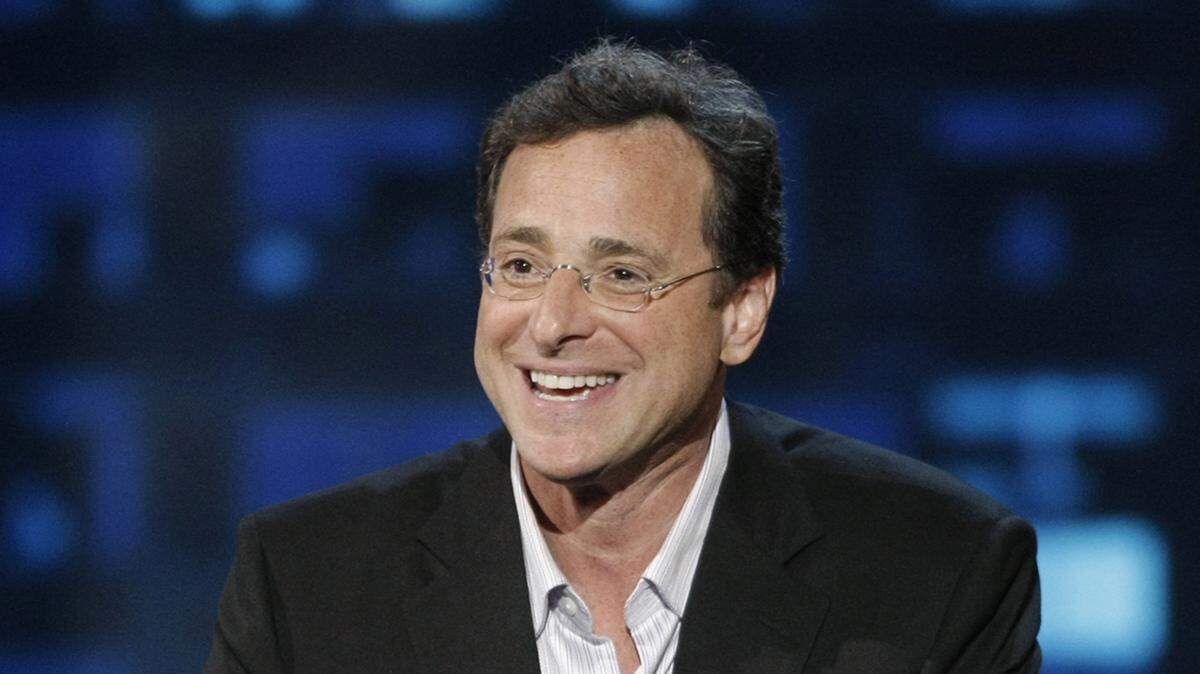
Although most of us associate contact sports with mild traumatic brain injuries, falls are their No. 1 cause. As actor Bob Saget’s recent head injury and tragic death remind us, head injuries can befall anyone. A mild traumatic brain injury, which is generally referred to as a concussion, is caused by a direct or indirect blow, bump or jolt to the head. A hit to the body that causes the brain to bounce back and forth inside the skull also could lead to this kind of damage. One doesn’t have to be knocked unconscious to have suffered a concussion.
The University of Kansas Medical Center is at the forefront of research in concussion. Kansas City area residents who have been recently concussed and are experiencing symptoms can play a unique role in advancing that research by participating in a phase 2 clinical trial at KU Medical Center.
Specialists at the Center for Concussion Management at the University of Kansas Health System have seen patients who have been in car and bike accidents, experienced falls or been involved in physical assault, to name a few. High numbers of concussions also occur during military training and combat. According to the U.S. Centers for Disease Control and Prevention, almost 3 million people with suspected brain injuries visit the emergency room every year in the U.S. This has a tremendous impact on people’s lives, as research suggests there is a link between repeated concussions and neurological and behavioral disorders, such as Parkinson’s, Alzheimer’s and chronic traumatic encephalopathy, also known as CTE.
Fortunately, symptoms resolve for most people within a couple of weeks. However, up to one-third of patients have prolonged, persistent symptoms from their concussions. These debilitating symptoms can include chronic headaches, depression, problems with thinking and memory, vision and balance issues, dizziness, sensitivity to light and sound, and sleep disorders. These persistent symptoms negatively affect their personal, work and school lives.
Over the past two decades, we’ve seen increased media attention focused on concussions, particularly in sports. This increased awareness has had a number of positive results, including more people visiting the emergency department with suspected brain injury, rule changes at all levels of sports to prevent or minimize the numbers of concussions, and new helmet technologies designed to better protect the brain.
We’ve also seen remarkable advances in many areas of medicine, but we have no FDA-approved therapeutic for this silent epidemic. Recent advancements in molecular biology and an increased understanding of brain science are encouraging researchers to explore possibilities of a treatment.
We’re inviting Kansas City area residents who have been concussed in the past 28 days and are experiencing symptoms to help us break barriers to better brain health by participating in a phase 2 clinical trial at KU Medical Center. The purpose of this study is to show improvement in the way participants feel or function after a concussion. To learn more, go to restisnotenough.com.