
Renewable energy has lots to offer rural Missouri. Cut through the fossil fuel smoke
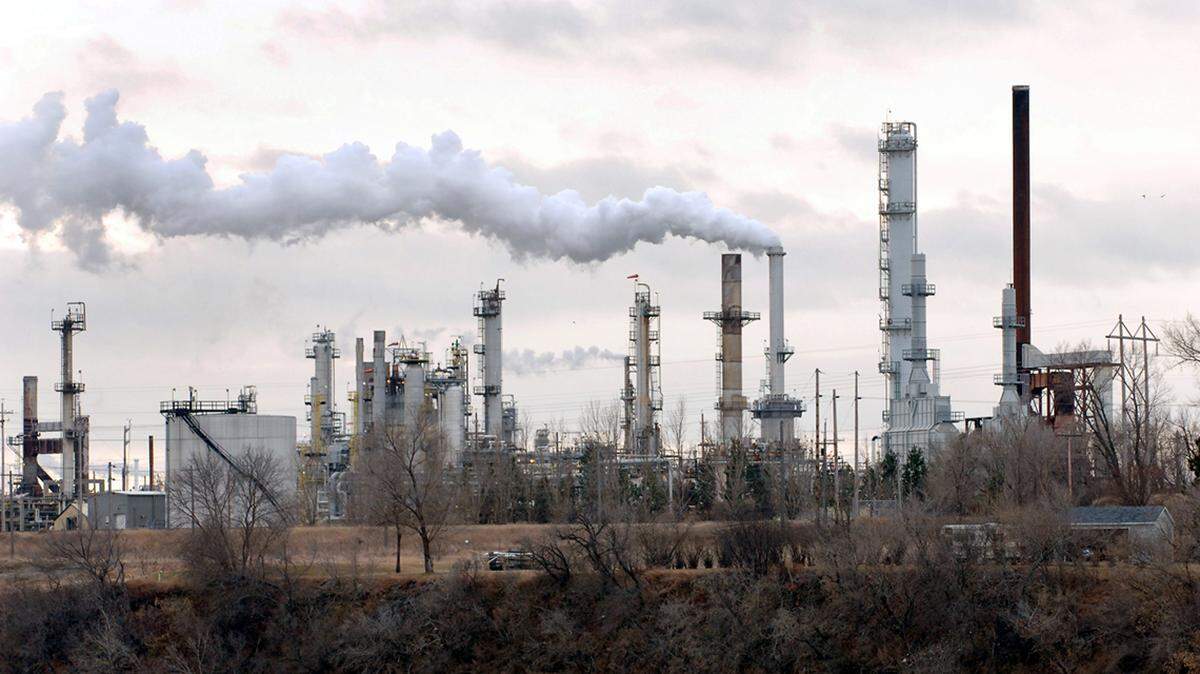
We are in the middle of not one, but two pandemics. The less obvious one is climate change. Even the Pentagon regards it as a threat to our national security.
The polar caps are melting and sea level rise threatens coastal cities around the world. There are grave warnings in our country: record-breaking wildfires in the West, more frequent and higher intensity hurricanes along the coasts, unprecedented flooding, drought and tornadoes in the Midwest. Closer to home, Missouri has suffered billions of dollars in damages from flooding, severe droughts, crop failures and reduced milk production.
Midwestern cities such as Kansas City are especially vulnerable to heat waves, because urban areas are typically warmer than their rural surroundings and many houses and apartments in cities lack air conditioning. Recently, severe heat waves have killed hundreds of people across the Midwest. Climate change disproportionately and unjustly affects the sick, the elderly and both the urban and rural poor. In my county, Adair County, fully 24% live below the federal poverty level, greater than the 16% rate in Kansas City.
Burning the fossil fuels coal, oil, and natural gas causes climate change. It has increased carbon dioxide and other greenhouse gasses in our atmosphere, trapping heat and raising global temperatures. The International Panel on Climate Change has determined that global temperatures have already increased by 1 degree Celsius over pre-industrial levels. The IPCC strongly recommends that we avoid catastrophic consequences by limiting the increase in temperature to 1.5 degrees Celsius, a threshold that we are projected to reach by 2030 to 2050 at current rates of carbon emissions. In other words, we must cut planet-warming greenhouse gas pollution by nearly 50% from 2010 levels by 2030, and reach net-zero carbon emissions by 2050.
Meanwhile, the fossil fuel industry — one of the most profitable industries in the world — continues to receive mind bogglingly large government subsidies ($5.9 trillion globally in 2020, according to the International Monetary Fund). Fossil fuel interests have long spread misinformation about the causes of climate change both to maintain their lucrative profits and avoid paying damages.
Currently, renewable energy contributes only 12% of the total energy in the U.S., and only 3.5% of the total energy consumed in Missouri. Making matters worse, coal, the “dirtiest” fossil fuel in terms of carbon pollution, produced 70% of Missouri’s electricity in in 2020, and eight of the 10 largest power plants in the state were coal-fired.
So what can we do about this ever-worsening disaster? The only current solution to climate change is for societies to eliminate the use of fossil fuels and replace them with renewable energy. Consequently, we need to be informed about the issue and demand action from our elected officials.
National organizations such as Citizens’ Climate Lobby are deeply engaged in educating the public about climate change, and also about how to enact a national response to it. For example, market-based carbon pricing could result in the quickest decrease in carbon emissions, an idea endorsed by numerous Nobel prize-winning economists, and even the American Petroleum Institute.
President Joe Biden has promoted the Build Back Better program, unprecedented legislation in addressing climate change, and will sign it into law. The House of Representatives has passed it, but it has stalled in the Senate, where every single Republican opposes it. So, It is imperative that you call or write Sens. Roy Blunt and Josh Hawley to support this crucial legislation.
Renewable energy is not only infinitely better than fossil fuels for climate change, but it also directly benefits local, rural communities. In my county, High Prairie Wind Farm provides income to farmers who have struggled even more economically over the past few years, while school districts benefit from increased property taxes. However, some people have opposed wind farms for spurious, “not in my back yard” reasons, such as wind turbines supposedly causing migraine headaches and triggering farmland fires. These objections are simply untrue, and largely come from fossil fuel campaigns to discredit clean energy.
On Jan. 25 from 7 to 8:15 p.m., there will be a free panel discussion entitled “Renewable Energy in Northeast Missouri: Now and the Future,” co-sponsored by the Northeast Missouri Chapter of Citizens’ Climate Lobby and Truman State University. Learn from experts at AMEREN, Renew Missouri and other organizations about the benefits of, challenges to and paths forward for renewable energy. Participate by connecting at zoom.us/j/94042128055