
Martin Luther King, Jr. had a vision for Kansas City and beyond. Are we ready for it?
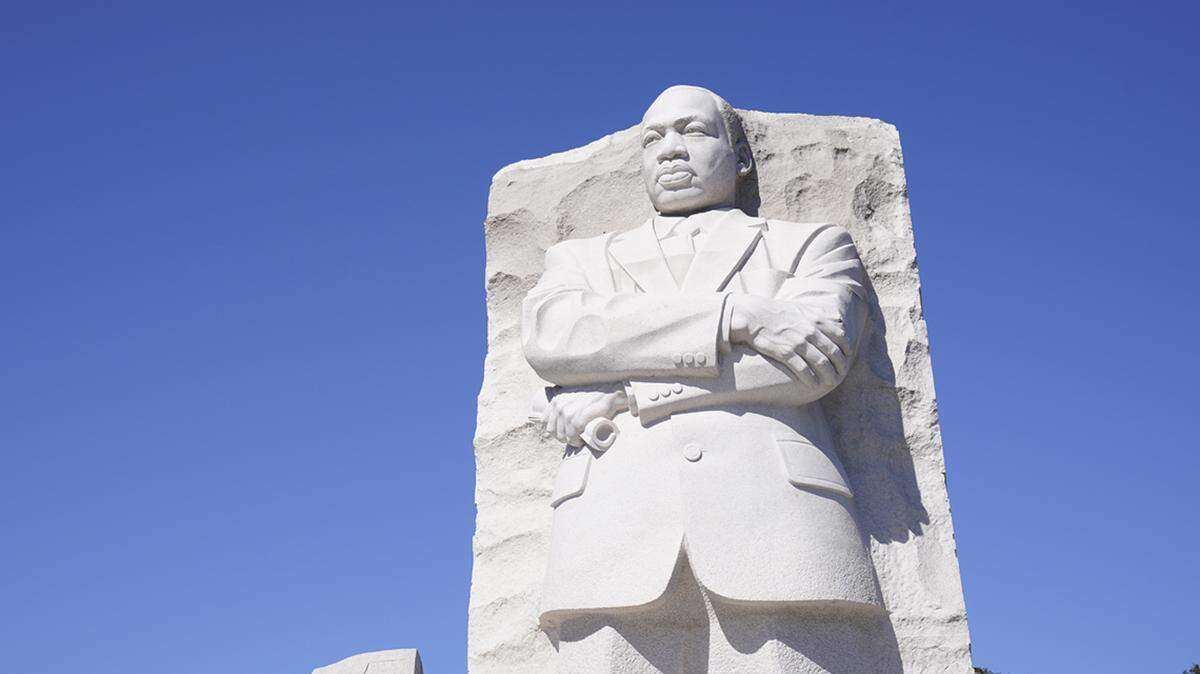
As Kansas City embarks upon another year of celebrating the life and legacy of Dr. Martin Luther King Jr., our nation is embroiled and agitated by the aftermath of an insurrection at the nation’s capitol a year ago, legal proceedings implicating the former president in that insurrection, the deadliest and most wide-ranging global health emergency in decades, and a political party that continues to block and resist laws to secure and guarantee voting rights to citizens of the most established democracy in the world. We are a nation in turmoil.
Many ask: What does the legacy of Dr. King, our national Southern Christian Leadership Conference founder, has to do with such turmoil? And what do his ministry and public service contribute to our yearnings to solve and resolve the quagmire of chaos and crises our country finds itself in? Those of us whose intellectual considerations and life’s work revolve around this great American prophet to the nations see a kind of clear direction his vision, scholarship, activism, organizing and oratory work have left for us.
The celebration of King’s legacy this year must guide us into concrete steps to end the systemic and structural impediments that block full and free access to the blessings of American life for all Kansas Citians, not just some. King’s words are a reminder that the economic disparities that exist along lines gender, social status, geography,and especially race are still unsolved and will require far different approaches and a much deeper moral commitment than we have shown before now.
We call for a renewed collective commitment to create a community and city in which no person is unsheltered, and no person lacks safety from nature’s harsh winds. Concurrently, the problems of limited, real, affordable housing and safe, permanent housing of dignity for the working poor must be a priority in a city that continues to erect corporate shelter in an ever-increasing downtown skyline. In Kansas City’s formal metric, affordable housing is deemed just over $1,100 per month, making rent alone far beyond the capacity of the working poor.
In Kansas City, 1 in 4 — 25% — of children live in poverty. For Black children, it is even worse. The correlating realities to poverty such as health deficiencies, the technological divide, violence and crime compound poverty’s pain for these our young children, who are left with the crumbs of the wealth of the privileged and often find themselves in a pipeline for homelessness, ill health, imprisonment or early death. Kansas City’s overall poverty rate is 17.2% which translates to 1 of every 5.8 residents living under the poverty level, and equals more than 81,000 Kansas Citians
Many Kansas Citians, especially African Americans, do not have to imagine the impact of such mythical metrics upon their everyday lives. Black and Brown people are the most victimized by these false and unjust numbers, but also remain mired in systemic and structural racism related to economic disparity and income inequality. For instance, of those 81,000 poor Kansas Citians approximately 37,000 are Black, just above 28% of the total estimated 135,000 Black residents of Kansas City — the highest poverty rate of any racial demographic in the city and more than three times that of white people. More than 4 in every 10 people living with poverty in Kansas City are Black.
These are more than numbers. They represent the pain of a world, nation and city sickened with the virus of racism and economic despair. We can help to alleviate this pain and help to fix this crisis with ensuring a living wage and guaranteed annual jobs and income for every person who takes the responsibility to work for a living. This is the concrete action Dr. King saw as the measure of justice and freedom, and as the indicator of our love toward one another. Are we ready?