
Our new Afghan neighbors are here. It’s up to all of us to make them Kansas Citians
Thousands of panicked Afghans flooded the runway, pounding on the underbelly of the taxiing military jet. Thousands more were packed shoulder to shoulder inside the cargo hold, clinging to each other in relief and solidarity. As their ark of safety lifted into the air, shaky phone videos from the shimmering heat of the runway caught the speck of a falling body — an unfortunate soul whose failed grip on the closing landing gear denied him a future free from Taliban rule.
These images of the Kabul airlift operation in August of 2021 are likely to become photojournalistic icons as much as the tanks in Tiananmen Square, the embassy evacuation at Saigon or the fall of the Berlin Wall. But what happened to the people in those planes? Where were they evacuated to, and what became of them?
The United Nations High Commission for Refugees estimates that 1% of the world’s population — or some 78 million people — has been displaced because of conflict. These people originate largely from just a handful of countries: Syria, South Sudan, Myanmar and Afghanistan, principally. But the United States averages an annual intake of less than 0.1% of the world’s refugees. From this latest evacuation effort, Kansas City is now privileged to welcome 550 Afghan individuals to our community.
The process is not as simple as boarding a plane in Kabul and showing up at Kansas City International Airport. The majority of refugees get caught in a bureaucratic maze that can drag on for years, often languishing in camps in unsanitary conditions, battling the elements, disease, poverty and hunger. In one camp in Greece where I volunteered last year, one informant told me he’d been in the system for six years. Another attempted to swim back to Syria via Turkey because camp conditions were so harsh.
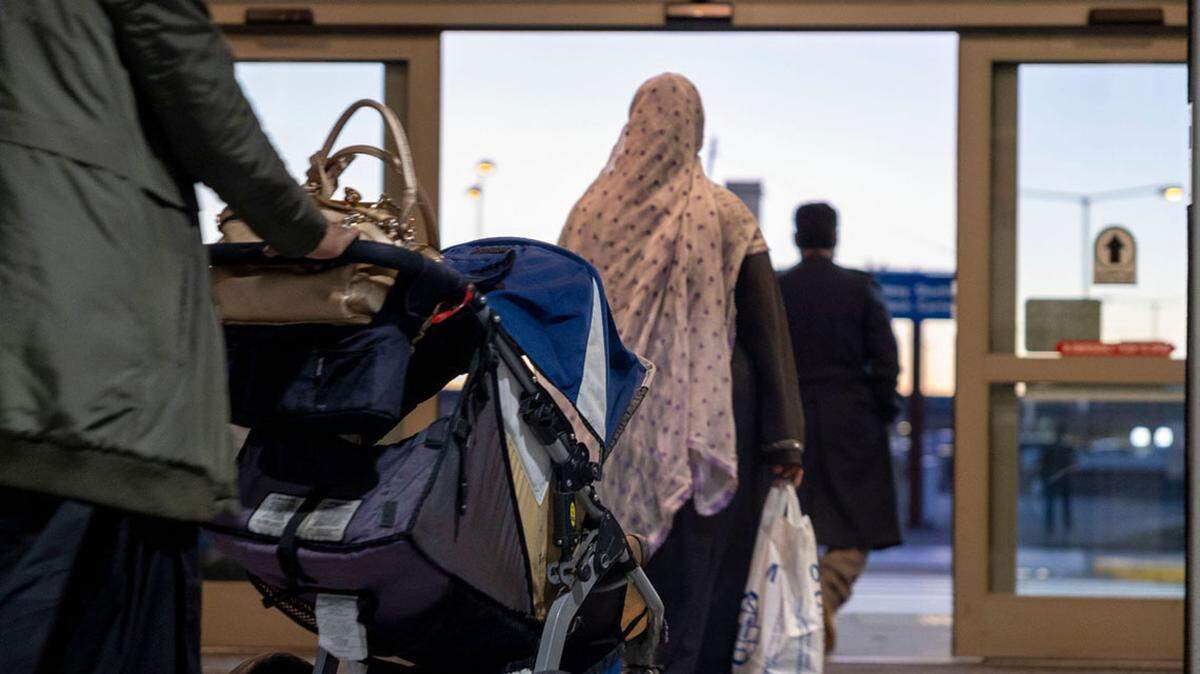
Our new arrivals from the Kabul airlift, however, have been fast-tracked with special immigration visas. For the last several months, they’ve undergone the vetting process on military bases, mostly in Turkey or Germany. Once clearance has been granted, they are flown to military bases stateside, where their case files are handed over to one of nine volunteer resettlement agencies nationwide.
Della Lamb, Catholic Charities and Jewish Vocational Services are the three main agencies in Kansas City that have helped resettle our existing communities of 22,000-plus refugees. However, this recent unprecedented influx from Afghanistan means these agencies are stretched to capacity. For perspective, in the last five years combined, roughly 350 Afghans were resettled in Kansas City. This same figure has been surpassed just since Thanksgiving, to say nothing of the cases of people of other nationalities also being processed.
Government funding for a family of refugees typically dries up after about 90 days — an impossibly short amount of time to establish yourself in a new and foreign culture. That’s where agencies such as RefugeKC step in. Acting as a final link in the chain of services, RefugeKC provides new arrivals with English courses, employment assistance and citizenship classes. Director Rich Casebolt looks to provide longer-term services beyond that typical 90-day window as a way of welcoming ‘our new American neighbors.
Other local faith-based groups have combined efforts with these agencies to provide a warm Kansas City welcome. Strangers No More, a coalition of Jewish and Christian women, have assembled dozens of welcome baskets to be delivered to our newly resettled neighbors. People Teams, an extension of the Kansas City Baptist Association, runs a soccer club and youth group for the children. “We have a unique opportunity to welcome the nations, and to seek the welfare of the city together with our new American neighbors,” Casebolt says.
Kansas City, our call to action is here. Our new neighbors have shown grit and determination to join us. Let’s offer a warm welcome by assisting our local resettlement agencies and befriending the stranger among us so we might be strangers no more.