
This vote in Congress over cancer blood screenings is literally about life and death
Fifty years after declaring the war against cancer, the disease is still claiming over 600,000 lives each year in the United States — 18,000 of them in Kansas and Missouri combined. Even with groundbreaking strides in treatments and therapies, we’re still seeing too many cancer-related deaths. What if, though, Congress had the ability to help reduce those mortality numbers by enacting a simple piece of legislation?
Bills have been introduced in both the U.S. Senate and House that would allow for Medicare beneficiaries to access new, game-changing cancer screening tools. We have an opportunity to help change the way we fight the war against cancer with these new detection technologies, but lawmakers first must make sure this screening is available to help those who are at greatest risk of cancer: seniors.
Throughout his time in Congress, Sen. Roy Blunt has been a strong advocate for cancer patients. His support of the Medicare Multi-Cancer Early Detection Screening Coverage Act highlights his continued commitment to screenings for patients and survivors.
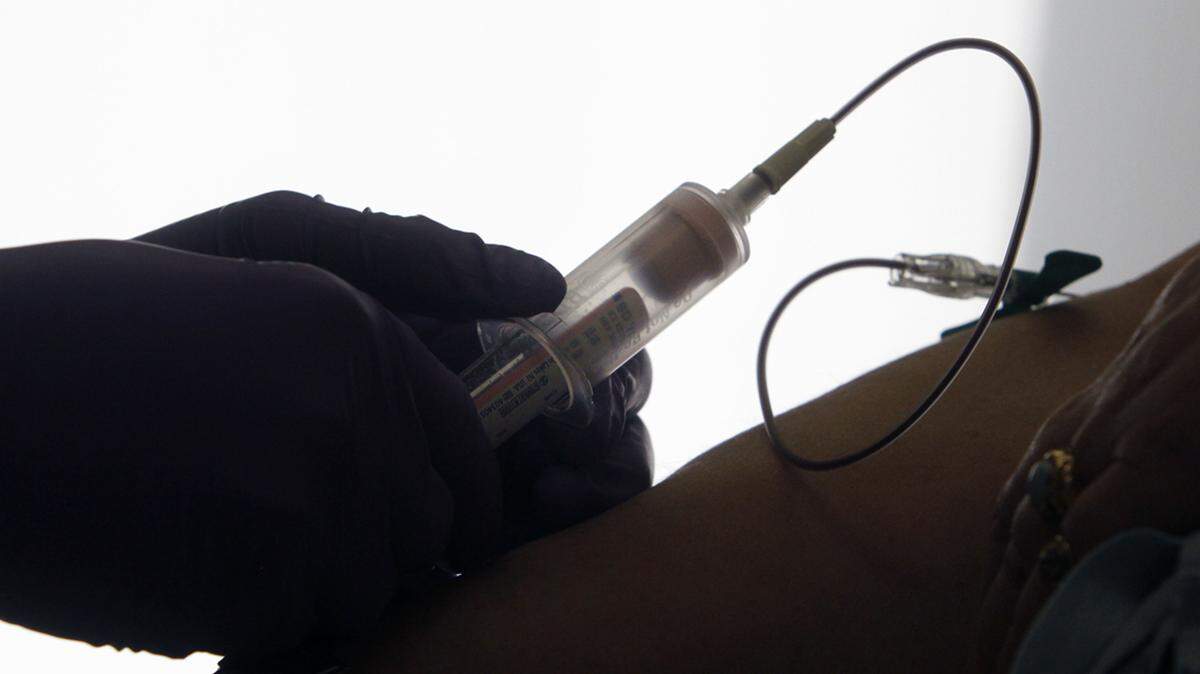
Through exhaustive research, scientists have developed tools that can detect the presence of dozens of different cancers through a single, noninvasive blood draw. It is impossible to overstate the impact multi-cancer early detection technologies will have. Our current cancer screenings, which have helped save countless lives by detecting cancers earlier, have limitations. Currently, health care providers are largely screening for five types of cancer – breast, cervical, colorectal, lung and prostate. For the many other cancers such as pancreatic, stomach and liver cancer, these early screenings don’t exist. And many people may not realize that cancers that lack common screenings cause more than 7 of every 10 cancer-related deaths.
Multi-cancer detection technologies would be an important complement to existing screening technologies, including those for prostate cancer.
These new medical innovations will, hopefully, receive Food and Drug Administration approval in the near future, but even after the FDA gives the green light, it would be years before seniors have access to these technologies under the status quo.
The laws governing Medicare don’t allow for swift coverage of new preventive screening tools. It’s anticipated that these cancer detection technologies could be tied up in bureaucratic knots for years before seniors and their health care providers can take full advantage. Congress has worked to change this before — passing legislation to cut through the red tape and enable Medicare to cover mammograms and colorectal screenings.
Now, history is repeating itself. Congressional action is required again to provide access to cancer screening technologies that will change the healthcare terrain. Republicans and Democrats in both the House and Senate have introduced this new legislation, which would create a clear pathway for Medicare to cover multi-cancer detection technologies as soon as they receive FDA approval. It is vital that the more than 60 million Americans in the Medicare program can access this new medical science as soon as possible.
Fifty years is a long time to be fighting a war, particularly one with so many annual casualties. We’re on the precipice of making sustained progress in this war and an opportunity to reduce a number of preventable deaths. It’s up to Congress to get us there.