
We aren’t ‘just’ informal caregivers. We’re vital to the entire US health care system
In formal caregiving settings such as hospitals, each diagnosis and test brings health care systems more money. These systems bet and win on us being sick to function.
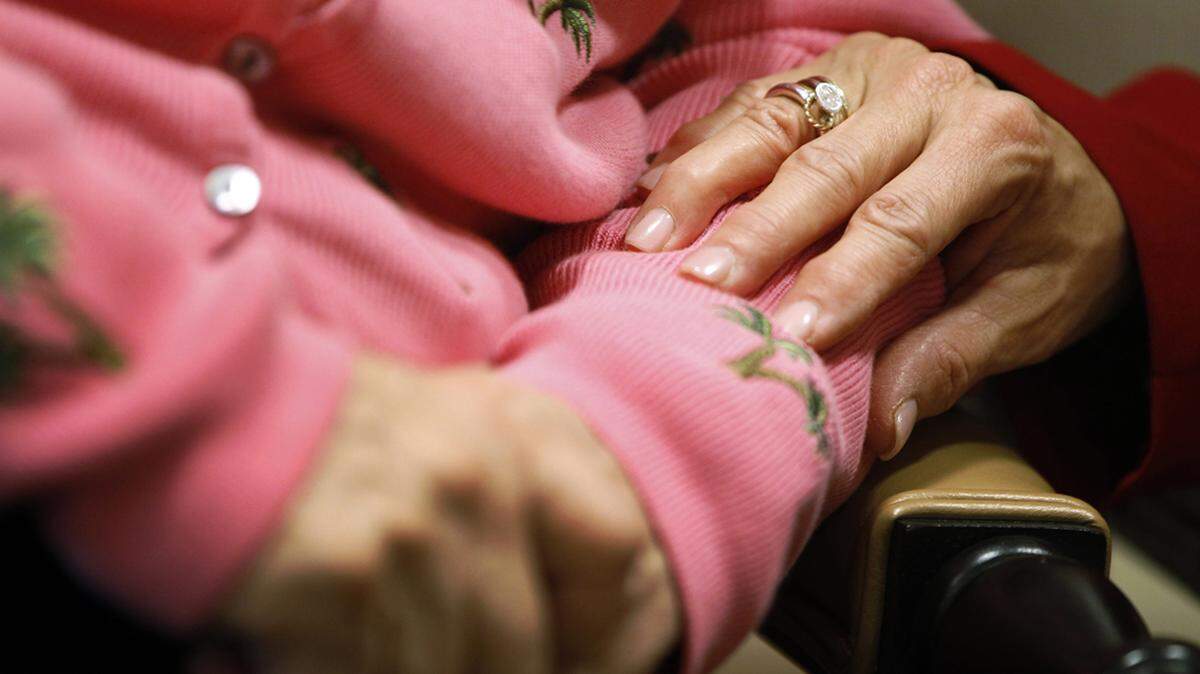
The average length of stay in a hospital is about four and a half days, but people that the health care industry calls “informal caregivers” — often family members — operate 365 days a year. Informal caregivers handle everything before and after discharge. A patient’s continuous care needs may never end. Hospitals outsource the post-discharge and other health care work to these unpaid caregivers in the home.
I was a family caregiver to my maternal grandmother after she endured a stroke. When hospice started coming in, my grandmother was considered a two-person assist. I helped get her in the shower. I helped feed her. I was her advocate and medical interpreter, since she only spoke Vietnamese.
She used to practice alternative medicine with me whenever I was sick, such as cao gío (coining) and setting up herbaceous steam showers. I had the opportunity to give back to her through caregiving. This was a big commitment, especially with her dementia. I remember one day I came from school and suddenly, my grandmother yelled that cookies were burning in the oven: “Bánh cháy!” Our stove was off and empty. I opened the door and closed it, grabbing a pecan sandy for her from the snack cupboard. It helped to calm her down.
The bulk of my tasks were not related to direct care, but I was her live-in granddaughter. I picked the quote that went on the back of her prayer card. One of my peers and his wife care for his parents with bill-paying, taxes, estate planning and acting as property managers for rental properties that they own. These administrative tasks are just as taxing as others, but in the health care world, it’s “just” informal caregiving.
Informal care is defined by the Encyclopedia of Gerontology and Population as “unpaid care provided by family, close relatives, friends and neighbors.” According to a 2019 U.S. Census survey analysis, our country has 22 million health care workers. Just like family caregivers, health care workers learn on the job too. There should not be a financial or relational distinction that partitions formal from informal caregivers, which is why I propose that we stop using the term “informal caregiver” altogether.
Jim Olsen, a peer I met through a stroke caregivers support group, is a caregiver to his wife. He takes issue with the term “informal caregiving” because he and many others ignore their “own medical needs, friends (and) family.” Jim missed his mother’s funeral because there was no one available to care for his wife.
According to a recent AARP report, unpaid caregivers provided $470 billion worth of care nationwide in 2017. In that same year, Saint Luke’s Hospital of Kansas City brought in $2.87 billion in revenue. In terms of Kansas’ population, unpaid caregivers contributed more than $4 billion worth of care that year.
The founder of the stroke caregivers group, Ann Yarbrough Gupton, said: “Family members of new stroke victims are thrown into caregiving like someone who can’t swim being thrown into deep water. They learn very quickly … what must be done to manage all the aspects of stroke recovery.” There is no perfect way to package the duties of caregiving into a title wrapped with a bow, but “informal caregiver” is not it.
With trends leaning toward home- and community-based care services in light of the pandemic and the Build Back Better infrastructure agenda, caregivers are providing more skilled care, including the administration of medication and IV treatments, which fall under a nurse’s scope of care.
Regardless of the situation, “informal caregiving” is hardly the correct term to use. The minimization of care work by calling it “informal” is hardly fair, given the unpaid, stressful nature of caring for family. We can eliminate the unpaid descriptor by implementing Hobson’s choice: Call it formal caregiving — take it or leave it.