
So you called a 15-year-old girl the b-word over masks. But how has hate helped you?
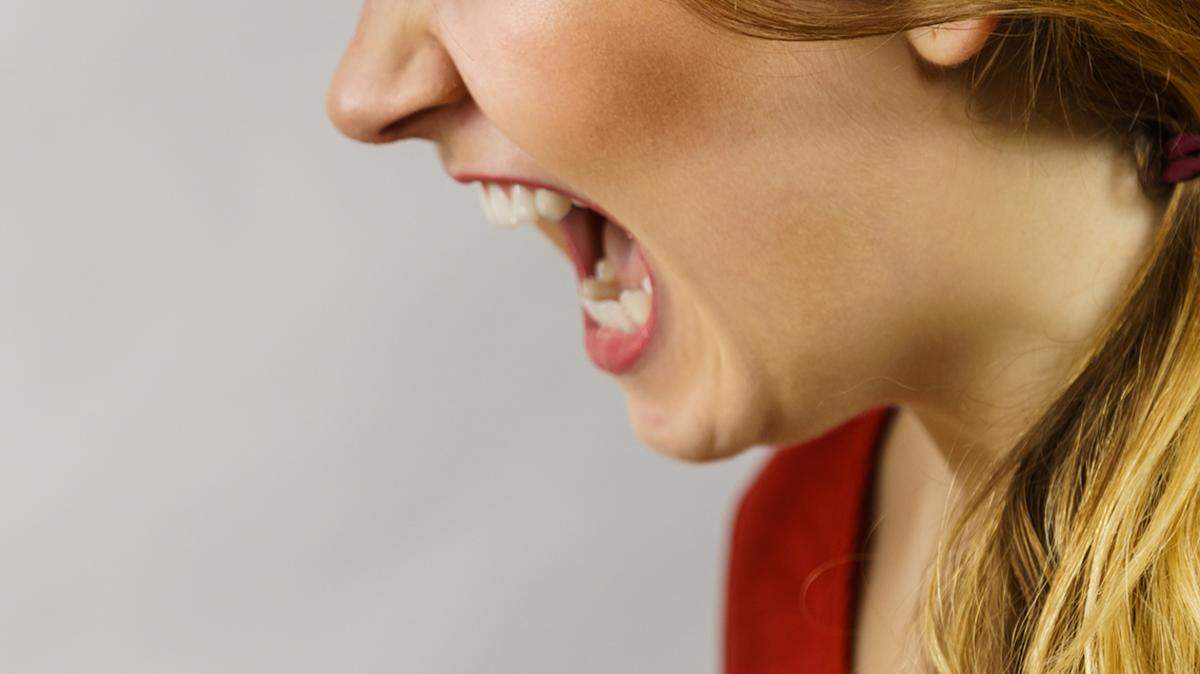
“Look at that little bitch — she brought her own bodyguard.”
The words were piercing and a bit surprising. Surprising because they were directed not toward me, but toward my 15-year-old daughter, who was walking beside me. Even more surprising because the hateful speech was emitted by an adult.
The scene was a Johnson County Commission meeting a couple months ago. A number of individuals came to speak about the possibility of a mask requirement for the county. My daughter came planning to share her experience as a remote student eager to return to school safely during a pandemic. So, what had she done to provoke such a response? She hadn’t said a word to anyone. She and I were merely making our way through the crowd and an office worker was leading us to the correct room. Her only offense: She was wearing a mask. And because of that, a fully grown woman — a mom — choose to say something vile and hateful to her.
I would love to think such incidences are isolated, but I know better. Just a couple weeks later, a friend of mine posted about a soccer game that ended much differently than expected. Her son’s team lost and right after the game ended, the coach of the opposing team called one of the 9-year-old players a “bitch” and told the whole team to “go to hell.” Yes, an adult man — a dad and coach — directed horrendous words toward a little girl and then a whole team of children.
And, then just a couple days ago, another friend of mine participated in a public service announcement warning about the potential dangers of COVID-19. She detailed how her 10-year-old daughter suffered from the virus. The words she shared were raw and painful as she described her daughter’s immense suffering, and how as a mom she felt hopeless in the situation. And what were the reactions in social media? Close to 100 people choose the laughing emoji as a response. Nearly one hundred people read about a child’s suffering and decided laughing was the correct action. I didn’t read the comments because I knew what lurked there — more hate.
Is it any wonder that our kids think, ‘People suck’?
We have put a burden on our schools to spread messages of kindness to help foster a positive environment for our kids, knowing that trauma can be inflicted by hateful words as well as actions. The importance of spreading kindness is impressed upon students, and they are often made to feel it is their duty to reach out to other kids to make sure they aren’t lonely or feeling depressed. These initiatives that center on kindness and empathy have become a focal point in our public schools to help improve the mental health of our children. The end goal is to work to prevent teen suicide.
Yet, with all these efforts, we find there are adults choosing to show hatefulness toward each other and toward children. Keep in mind, this is happening at a time when our children are overwhelmed because of a pandemic, with many suffering trauma from the loss of a loved one to COVID-19. These kids have enough going on. The last thing they need are the hateful words of adults circulating in their heads. And, frankly, it is irresponsible and unacceptable for adults to show such hatred.
While time in school is devoted to teaching our kids to be kind, they are seeing displays everywhere — in meetings, at sporting events and online — of adults being horrible toward children. It’s no wonder when you ask teens about their perception of adults, you are likely to hear a response something along the lines of, “People suck.” And honestly, when adults are hurling obscenities at children, it’s hard to tell kids they are wrong.
For people launching such insults, I have to ask: How has hate helped you? Has it gotten you a better job or a raise at your current position? Has it gotten you a degree in a field that interests you? Has it helped you form better relationships with your family or co-workers? I would venture to say it has gained you nothing beneficial. It’s time to come to the realization that your anger coupled with your beliefs (whether political, religious or otherwise) are taking you in the wrong direction. It’s time to end your open season of hatred. Your hatred is poisoning our children and our society.
Be the adult and stand up for society’s well-being
Here is something equally important for those who haven’t spoken up against hatred: If good people don’t show up and push back, the horrendous insults become the prevailing voice in our society. That’s what our kids are hearing: the hateful voices that seem to be everywhere. Their well-being and that of society — and of our democracy — are dependent upon good, reasonable people amplifying their voices. We’ve allowed the voices of hate to have the megaphone for far too long.
So, I have to ask: Who are we waiting for? It’s not always up to “someone else” to handle the situation. Be the adult in the room. If you’re running a meeting, let people know they’ll be removed for unacceptable behavior. And then, follow through and take action if it continues. If people are posting horrible things online, report them. If your coach says something disturbing to children, let them know you’re done with them.
Good people gotta show up — and use their voice. Our kids desperately need to know good people are out there. Let the following words from pastor John Pavlovitz’s essay, “If the good people would be loud,” serve as a reminder and warning: “Whenever our world has lost its way and lost its humanity and succumbed to terror, it has happened when people of decency and compassion refused to raise their voices.”
There is one final place where the voice of good people is desperately needed, and that is at the ballot box. Remember that mom who insulted my child, that coach who degraded a team, and those nearly 100 people laughing at a child’s suffering? They’re going to vote, and guess what? They’re going to vote for the hateful voices. So, if good people don’t show up to vote, those loud, insulting voices become our leaders.
One final note to absolutely everyone out there. This recommendation, actually this plea, comes from the song we sing at my church at the close of the service. And, it’s very simply this: “Be more kind my friends, try to be more kind.”