
Public health workers protect Missouri. Don’t take COVID-19 frustration out on them
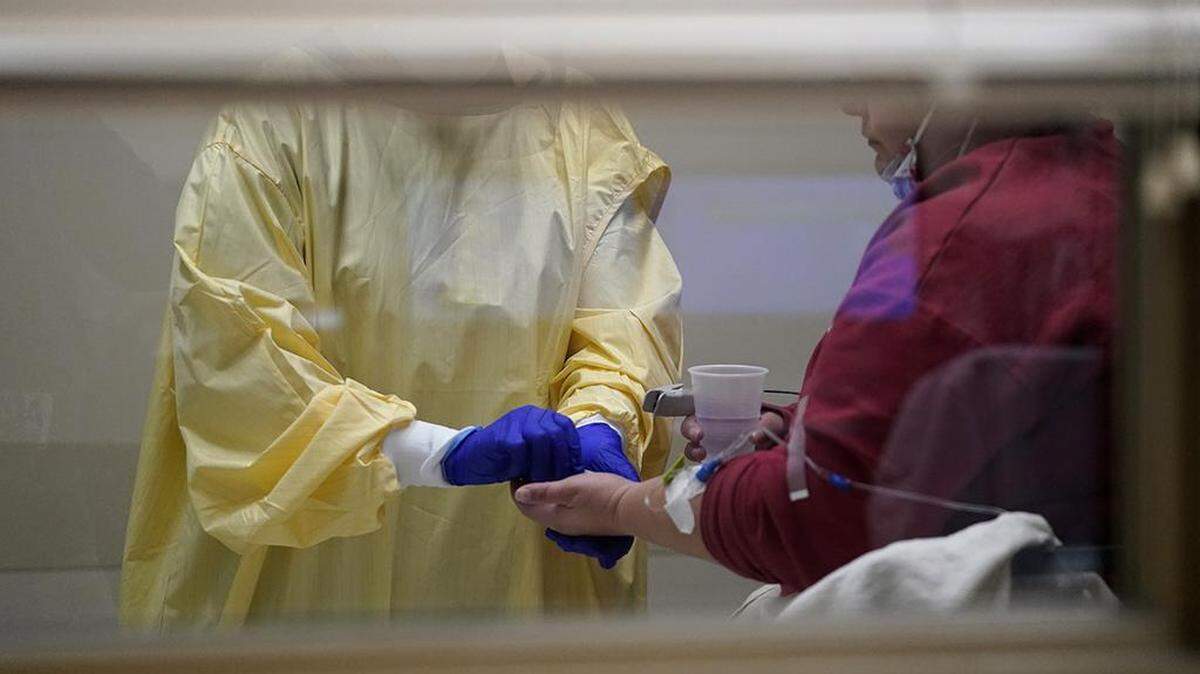
We have the most sophisticated health care system in the world, with cutting-edge biomedical research, advanced medical technologies and well-resourced hospitals. Last spring in Missouri, however, we had little of the knowledge necessary to effectively combat COVID-19. At that time, and without effective vaccines or treatments, we quickly determined that the best preventative measures were non-pharmaceutical interventions such as social and physical distancing, good hand hygiene and masking up in public.
While COVID-19 testing helped us better understand transmission rates and dynamics, we also learned that we could not test our way out of this pandemic. Today, infectious disease experts inform us that few treatments are truly effective for severely ill COVID-19 patients. Perhaps mass vaccination (rather than therapeutics) will be the most efficient way for us to emerge from the defensive crouch and bunker mentality of 2020.
Anger over the economic pain and disruption of COVID-19 is understandable, and it is much easier to blame individuals (such as public health officials) and government institutions than an invisible, untouchable virus. This fury has manifested itself in the Missouri General Assembly, where more than a dozen bills have been filed to limit the authority of our local public health agencies — critical authority to protect us from the next epidemic. Once global travel resumes, it may just be a matter of time before the next one.
Before this pandemic, most Missourians probably gave little thought to public health. For decades, our state and local public health agencies protected our communities by warning us about contaminated tap water, collecting information about communicable diseases and temporarily closing restaurants for health code violations or salmonella outbreaks. State and local public health agencies also serve as a critical early warning system for contagious diseases, from mumps to Ebola, from Zika virus to COVID-19 and its emerging variants.
Sadly, a staggering number of public health officials across the nation have had their lives and families threatened during this pandemic, leading to many resignations. Just as government officials and emergency services personnel should never be threatened under any circumstances, these public health officials should not be threatened either. They are simply doing their jobs: protecting public health in an uncertain world. They deserve our gratitude, not anger and hostility.
With COVID-19, our state and local public health agencies work closely with our medical and hospital communities by sharing information, tracking cases, distributing personal protective equipment, and providing updates. They now face the daunting challenge of vaccinating Missourians in a thoughtful, orderly and equitable manner, despite limited and inconsistent vaccine supply, logistical hurdles in accessing underserved communities and significant vaccine hesitancy and skepticism. Effective local public health and public safety agencies are key for ensuring the safety and security of basic needs such as food, water, air, bandwidth and infrastructure. We need to bolster our local supply chains and shore up our public health infrastructure to brace for the next epidemic. What if the next one has the mortality of Ebola, or (heaven forbid) is an intentionally weaponized virus?
Mercifully, most of us have dodged the bullet in this pandemic. While we mourn for those who have lost their lives, most COVID-19 patients have not become severely ill. We are fortunate that the worrisome prospect of a Thanksgiving, Christmas or New Year’s surge of cases and deaths did not materialize here in Missouri. However, we simply don’t know if the next epidemic or pandemic will be a bazooka or a hand grenade.
For students of history, the Japanese attack at Pearl Harbor was soul crushing, partly because some early warning signs were ignored in the hours and days beforehand. We need early warning systems against disease threats too. We simply cannot shut off our “radar” for emerging viruses, nor can we afford to chase away hardworking public health officials who strive to protect us from COVID-19 while also preparing for the next crisis. We urge state legislators to support local public health and preserve their local authority and ability to protect Missourians.
While it is not currently part of any pending public health bill in Jefferson City, we also urge the Missouri state legislature to pass a “no-tolerance” policy regarding threats against public health officials and their families.
Dr. Albert L. Hsu is an assistant professor of obstetrics and gynecology at the University of Missouri, and he is leading some research on COVID-19 in pregnancy. He co-authored this with Lynelle Phillips, a registered nurse, vice president of the Missouri Public Health Association and president of the Missouri Immunization Coalition. All opinions expressed here are their own.